
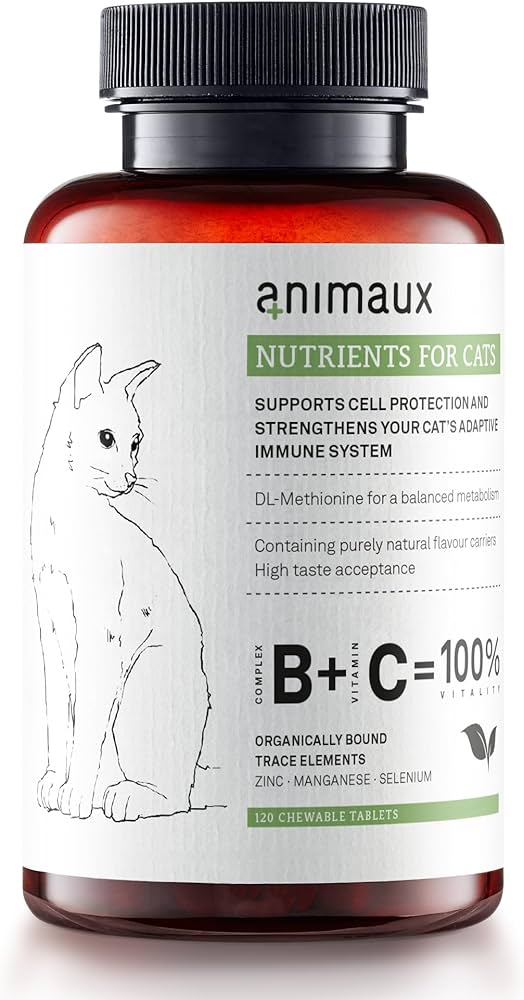
As a cat owner, you may have noticed that your feline friend seems to be lacking in energy or enthusiasm. While cats are known for their laziness, this can sometimes be a sign of a nutritional deficiency. In this article, we’ll explore the importance of vitamins for cats and provide guidance on how to ensure your cat is getting the necessary nutrients.
Why Cats Need Vitamins
Cats are obligate carnivores, which means they require a diet rich in protein from animal sources to survive. However, their digestive system is designed to process high amounts of protein, which can lead to an imbalance in certain vitamins and minerals if not balanced properly.
One of the primary reasons cats need vitamins is that they have a unique ability to metabolize protein efficiently, but this comes at the cost of other essential nutrients like carbohydrates, fiber, and certain vitamins. As a result, cats require a diet that includes supplements to ensure they receive all the necessary nutrients for optimal health.
Choosing the Right Vitamin Supplements for Your Cat
There are several types of vitamin supplements available for cats, including multivitamins, vitamin A, vitamin D, vitamin E, and more. When selecting a supplement, it’s essential to consult with your veterinarian to determine the best option for your cat’s specific needs.
Understanding Different Feline Life Stages
As cats go through different life stages, their nutritional requirements change. Here are some key considerations:
- Kittenhood: Kittens require a diet rich in protein and calcium to support growth and development. During this stage, kittens need high amounts of energy to fuel their rapid growth and development.
- Adolescence: During this stage, kittens need to continue consuming high amounts of protein while also getting adequate calories for energy. Adolescent cats may also start to develop adult dental problems if not fed a balanced diet.
- Adultthood: Adult cats require a balanced diet that includes essential vitamins and minerals. Adult cats are less energetic than kittens and adolescents, but they still need a nutritious diet to maintain their overall health.
- Seniorhood: Senior cats may require additional supplements to support joint health and prevent age-related diseases. Senior cats may also experience weight loss, reduced mobility, and cognitive decline due to declining nutritional status.
Vitamin A: The Critical Nutrient
Vitamin A is an essential nutrient for cats, playing a crucial role in maintaining healthy vision, immune function, and skin health. Vitamin A deficiency can lead to night blindness, increased susceptibility to infections, and skin problems like acne and hyperkeratosis.
In addition to its critical role in maintaining feline health, vitamin A also plays a key role in the regulation of gene expression and cell growth. As such, it is an essential nutrient for cats, and deficiencies in this vitamin can have serious consequences for their overall health and well-being.
The Risks of Over-supplementation
While vitamins are necessary for feline health, over-supplementation can be detrimental to your cat’s well-being. Some common mistakes include:
- Taking too many supplements: Taking multiple supplements can lead to an imbalance in essential nutrients.
- Using substandard products: Using low-quality or contaminated supplements can harm your cat.
- Overfeeding with vitamins: Over-supplementing your cat with vitamins can lead to adverse effects on their health, including kidney damage and other organ problems.
Frequently Asked Questions (FAQs)
Here are some common questions about vitamins for cats, along with answers:
- Q: What is the best way to supplement my cat’s diet?
A: The best approach is to consult with your veterinarian to determine the most suitable supplements and dosages for your cat. - Q: Can I give my cat human vitamins?
A: No, human vitamins are not formulated for feline needs and can be harmful to cats. - Q: Are multivitamins effective for cats?
A: While multivitamins can provide essential nutrients, they may not address specific deficiencies or health issues.
Conclusions and Future Directions
In conclusion, understanding the importance of vitamins for cats is crucial for maintaining their overall health and well-being. By choosing the right supplements, considering different life stages, and being mindful of potential risks, you can help ensure your feline friend leads a happy and healthy life.
As research continues to uncover new insights into the role of vitamins in feline health, it’s likely that our understanding of this complex topic will continue to evolve. By staying informed and working with your veterinarian, you can provide your cat with the best possible care and support their overall health and well-being.
Recommendations for Feline Health
Here are some recommendations for maintaining optimal feline health through dietary supplementation:
- Consult with your veterinarian: Before adding any supplements to your cat’s diet, consult with your veterinarian to determine the most suitable options.
- Choose high-quality supplements: Select supplements from reputable manufacturers that adhere to strict quality standards and testing protocols.
- Consider a balanced multivitamin: A well-formulated multivitamin can provide essential nutrients and support overall feline health.
Innovative Research in Feline Nutrition
In recent years, there has been significant investment in research aimed at understanding the complex relationship between vitamins and feline health. Some of the most promising areas of research include:
- Nutrient-dense diets: Studies are underway to develop nutrient-rich diets that can support optimal feline health.
- Personalized nutrition: Researchers are exploring ways to tailor nutritional supplements to individual cats based on their unique needs and genetic profiles.
Conclusion
In conclusion, understanding the importance of vitamins for cats is crucial for maintaining their overall health and well-being. By choosing the right supplements, considering different life stages, and being mindful of potential risks, you can help ensure your feline friend leads a happy and healthy life.
By staying informed about the latest research and recommendations, you can provide your cat with the best possible care and support their overall health and well-being.


