
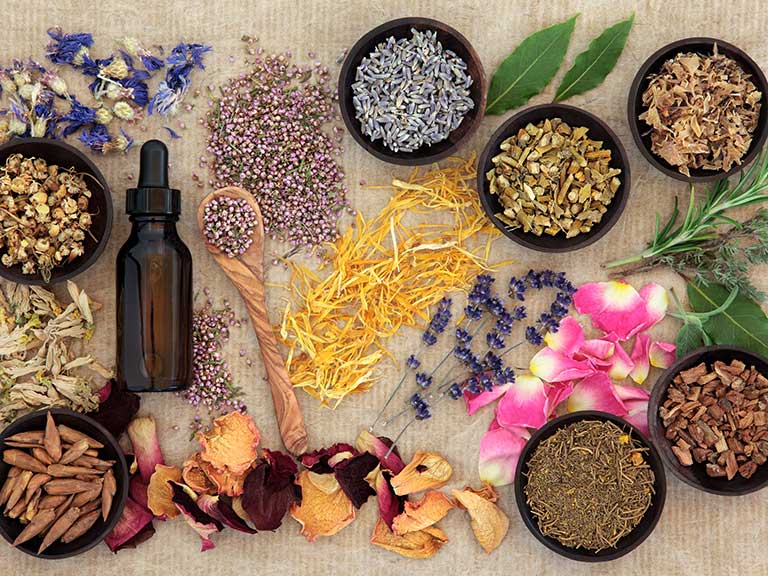
The Natural Remedies: How to Use Herbs
As we explore the world of natural remedies, it’s essential to understand how herbs can be prepared and utilized to harness their beneficial properties. In this article, we’ll delve into the various ways herbs can be used, from internal preparations to external applications.
Preparation Methods for Herbal Remedies
When preparing herbal remedies, there are several methods that can be employed, each with its own unique characteristics. These methods include infusions, decoctions, macerations, succs, tinctures, and powders.
Infusions
Infusions involve steeping herbs in hot water to release their active compounds. This method is ideal for delicate plants or flowers. The infusion process typically takes 3-5 minutes, depending on the plant’s strength. To make an infusion:
- Choose fresh, clean herbs
- Add herbs to a teapot or infuser
- Heat the herb mixture in boiling water (160°F – 180°F)
- Allow the infusion to steep for 3-5 minutes
Decoctions
Decoctions involve boiling herbs in water to extract their properties. This method is suitable for tougher plants like bark, roots, and seeds. The decoction process can take anywhere from a few minutes to an hour, depending on the plant’s potency. To make a decoction:
- Choose fresh, clean herbs
- Add herbs to a pot or saucepan with water
- Bring the mixture to a boil (212°F)
- Reduce heat and allow the decoction to simmer for 15-60 minutes
Macerations
Macerations involve soaking herbal parts in a liquid, such as vinegar or wine, for an extended period, typically between 15 days and several months. This method allows for the extraction of active compounds from plants that are difficult to infuse or decoct. To make a maceration:
- Choose fresh, clean herbs
- Add herbs to a container with liquid (vinegar or wine)
- Store the mixture in a cool, dark place
- Allow the maceration to occur for 15-60 days
Succs (Succesional Infusions)
Succs are prepared by crushing fresh herbs and then pressing them to extract the juice. This method is ideal for fresh, potent herbs like mint. To make a succ:
- Choose fresh, clean herbs
- Crush the herbs using a mortar and pestle or food processor
- Press the crushed herbs to extract the juice
Tinctures
Tinctures involve soaking herbal parts in a solvent, such as ethanol, to create a highly concentrated extract of active compounds. The tincture process typically takes 2-3 days, depending on the plant’s potency. To make a tincture:
- Choose fresh, clean herbs
- Add herbs to a container with ethanol (80% solution)
- Store the mixture in a cool, dark place
- Allow the tincture to infuse for 2-3 days
Powders
Powders are prepared by drying and grinding herb leaves or roots into a fine powder. This method is suitable for herbs that are difficult to infuse or decoct. To make a powder:
- Choose fresh, clean herbs
- Dry the herbs using a food dehydrator or oven
- Grind the dried herbs into a fine powder
External Preparations
External preparations involve applying herbal remedies directly to the skin or mucous membranes. These preparations can include:
Cataplasms
Cataplasms involve applying a warm, moist compress made from herbal parts to a specific area of the body, such as a wound or injury. The temperature should not exceed 50°C to avoid destroying active compounds.
To make a cataplasm:
- Choose fresh, clean herbs
- Chop the herbs into small pieces
- Mix the chopped herbs with water to create a compress
- Apply the compress to the affected area
Lotions
Lotions are topical applications of an infusion or decoction that can be massaged onto the skin to provide relief from various conditions.
To make a lotion:
- Choose fresh, clean herbs
- Infuse or decoct the herbs in water
- Mix the infused or decocted herb mixture with a carrier oil (coconut or olive oil)
- Apply the lotion to the affected area
Impaccos
Impaccos involve applying a layer of ovatta, cotton, and flannel pieced together with herbal infusions or decoctions to specific areas of the body. This method is suitable for conditions like arthritis.
To make an impacco:
- Choose fresh, clean herbs
- Infuse or decoct the herbs in water
- Mix the infused or decocted herb mixture with ovatta and cotton
- Apply the impacco to the affected area
Compresses
Compresses are impaccos made with a less concentrated herb preparation that acts more slowly on the body.
To make a compress:
- Choose fresh, clean herbs
- Infuse or decoct the herbs in water
- Mix the infused or decocted herb mixture with ovatta and cotton
- Apply the compress to the affected area
Collirios
Collirios involve applying an infusion, typically in the form of a balm or ointment, to specific areas of the skin, such as the eyes or nose.
To make a collirio:
- Choose fresh, clean herbs
- Infuse the herbs in water
- Mix the infused herb mixture with a carrier oil (coconut or olive oil)
- Apply the balm or ointment to the affected area
Using Herbal Remedies: Tips and Precautions
When using herbal remedies, it’s essential to follow some guidelines to ensure their effectiveness and safety. Some tips include:
Always consult with a healthcare professional before using herbal remedies.
Use high-quality, organic herbs whenever possible.
Follow the recommended preparation methods for each herb.
Be cautious not to exceed recommended dosages or interact negatively with other substances.
Monitor your body’s response and adjust your use accordingly.
Contraindications
Certain herbs can interact negatively with medications, exacerbate underlying health conditions, or pose risks during pregnancy or breastfeeding. Always consult with a healthcare professional before using any herbal remedy, especially if you have a pre-existing medical condition or are pregnant/breastfeeding.
Interactions
Herbal remedies can interact negatively with other substances, such as medications or other herbs. Always consult with a healthcare professional before combining multiple herbs or taking herbal remedies while on medication.
Side Effects
Some individuals may experience allergic reactions, digestive issues, or other side effects when using herbal remedies. Monitor your body’s response and adjust your use accordingly.
Conclusion
In conclusion, natural remedies offer a wealth of options for promoting health and well-being. By understanding how to prepare and use herbs effectively, you can unlock their potential and harness their beneficial properties. Remember to always consult with a healthcare professional before using any herbal remedy, especially if you have a pre-existing medical condition or are pregnant/breastfeeding.
Frequently Asked Questions
Q: Can I use herbal remedies on everyone?
A: No, certain herbs can interact negatively with medications or exacerbate underlying health conditions. Always consult with a healthcare professional before using herbal remedies.
Q: How do I choose the right herb for my needs?
A: Consider your symptoms, health status, and lifestyle when selecting an herb. Consult with a healthcare professional if you’re unsure.
Q: Are herbal remedies regulated by the government?
A: Yes, many countries have established regulations regarding the use of herbal remedies. Always look for products from reputable manufacturers and follow recommended dosages.
Q: Can I take herbal remedies during pregnancy or breastfeeding?
A: No, certain herbs can pose risks to the mother or fetus/baby. Consult with a healthcare professional before using any herbal remedy during pregnancy or breastfeeding.
Q: Are herbal remedies safe if used incorrectly?
A: No, improper use of herbal remedies can lead to adverse reactions, allergic responses, or interactions with medications.
Q: Can I combine multiple herbs at once?
A: Yes, but be cautious not to exceed recommended dosages or interact negatively with other substances. Always consult with a healthcare professional before combining multiple herbs.
Q: Are there any side effects associated with using herbal remedies?
A: Yes, some individuals may experience allergic reactions, digestive issues, or other side effects when using herbal remedies. Monitor your body’s response and adjust your use accordingly.


