
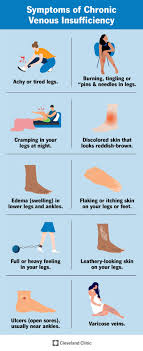
As the temperature rises and we start to feel the heat, it’s not uncommon to experience an uncomfortable sensation of heaviness in our legs. This pesky feeling, often accompanied by pins and needles or cramps in the foot arches, typically manifests itself in the evening or when we’re on our feet for extended periods. But what causes this issue, and how can we alleviate it?
Understanding Leg Fatigue
Leg fatigue, also known as leg heaviness or leg pain, is often attributed to a problem with peripheral blood circulation. When the temperature rises, the blood vessels dilate, causing the blood to accumulate beneath the skin’s surface, leading to inflammation, particularly in the ankle area.
But what triggers this issue? Let’s explore some common causes of leg fatigue:
Common Causes of Leg Fatigue
- Poor blood circulation
- Sedentary lifestyle
- Overexertion
- Prolonged standing hours at work
- Fluid retention
- Poor diet
- Obesity
- Extreme heat
- Tight clothing and high heels
- Pregnancy
- Heart insufficiency
- Premenstrual syndrome (PMS)
- Thyroid problems
- Excessive sodium intake
- Kidney or liver insufficiencies
- Medication side effects, particularly antihypertensives, antidepressants, and birth control pills
These causes can be divided into two main categories: external factors and internal factors.
External Factors
- Tight clothing: Wearing tight shoes or pants can constrict blood flow to the legs, leading to swelling and discomfort.
- Extreme heat: High temperatures can cause blood vessels to dilate, leading to increased blood pressure and fluid accumulation in the legs.
- High heels: Wearing high heels for extended periods can lead to reduced blood flow to the feet and ankles.
- Workplace hazards: Standing or walking on hard surfaces for long periods can put additional stress on the legs.
Internal Factors
- Poor diet: Consuming foods high in salt, sugar, and unhealthy fats can lead to inflammation and poor circulation.
- Lack of exercise: Regular physical activity is essential for maintaining healthy blood flow and circulation.
- Underlying medical conditions: Certain medical conditions, such as heart disease or diabetes, can affect blood flow and cause leg fatigue.
- Hormonal imbalances: Hormonal changes during pregnancy, menopause, or thyroid disorders can lead to circulatory problems.
Symptoms of Leg Fatigue
The symptoms of leg fatigue can vary in severity and may include:
- A feeling of heaviness or weight in the legs
- Pins and needles or numbness in the feet and ankles
- Cramps or stiffness in the calf muscles
- Swelling or discoloration of the skin
- Dizziness or lightheadedness
Natural Remedies for Leg Fatigue
Now that we’ve covered the causes, let’s dive into some effective natural remedies to alleviate leg fatigue:
Dietary Changes
A balanced diet rich in:
- Fresh fruits and vegetables: high in antioxidants, fiber, and vitamins
- High-fiber foods: help maintain healthy blood flow and circulation
- Diuretic-rich foods (e.g., asparagus, cucumber): can help reduce fluid retention
- Spices like ginger, rosemary, cinnamon, and pepper: have anti-inflammatory properties
can help combat leg fatigue. Additionally, limiting or avoiding:
- Saturated fats: high in calories and cholesterol
- Processed meats: contain preservatives that can cause inflammation
- Refined sugars: can lead to energy crashes and poor circulation
- Foods high in sodium: can exacerbate fluid retention and swelling
is essential.
Physical Activity
Regular exercise, particularly aerobic activities like:
- Walking: promotes blood flow and circulation
- Cycling: strengthens leg muscles and improves cardiovascular health
- Swimming: reduces inflammation and promotes relaxation
can significantly improve circulation and reduce leg fatigue. It’s also crucial to:
- Take breaks every hour to sit down and rest
- Wear loose, breathable clothing that allows for proper venous return
- Elevate your legs before bedtime for at least 30 minutes
Massage Therapy
Massages can help stimulate blood flow and alleviate leg fatigue. Try applying a massage oil like:
- Cypress: aids in lymphatic drainage, reducing pressure and heaviness
- Ginkgo biloba: enhances vasodilation, promoting circulation and preventing clotting
- Lemon: tonifies microcirculation, helping to reduce swelling
Performing massages on your legs before bed can also improve sleep quality.
Supplements
Certain supplements, such as:
- Equisetum: lowers cholesterol levels and prevents arterial stiffness
- Pungitopo: tones the veins, relieving congestion and swelling
may help alleviate leg fatigue. However, always consult with a healthcare professional before adding new supplements to your routine.
Additional Tips
To further reduce leg fatigue, try these additional tips:
- Stay hydrated by drinking plenty of water throughout the day
- Avoid excessive salt intake
- Engage in activities that promote good circulation, such as yoga or Pilates
By understanding the causes of leg fatigue and incorporating natural remedies into your daily routine, you can alleviate this uncomfortable sensation and enjoy improved overall health.
Frequently Asked Questions
- What are the symptoms of leg fatigue?
Leg fatigue is characterized by a feeling of heaviness or weight in the legs, often accompanied by pins and needles, cramps, or swelling. - Can I prevent leg fatigue?
Yes, by adopting a healthy lifestyle, including regular exercise, a balanced diet, and stress management, you can reduce your risk of developing leg fatigue. - How can I alleviate leg fatigue at work?
Take breaks every hour to sit down and rest, wear comfortable shoes, and avoid standing for extended periods. - What are the best exercises for improving circulation?
Aerobic activities like walking, cycling, or swimming are excellent for promoting blood flow and reducing leg fatigue. - Can I use essential oils to alleviate leg fatigue?
Yes, certain essential oils like cypress, ginkgo biloba, and lemon can help stimulate blood flow and reduce inflammation when used in a massage oil or diffused. - Are there any herbal remedies that can help with leg fatigue?
Equisetum and pungitopo are two herbs that have been traditionally used to alleviate leg fatigue, although more research is needed to confirm their effectiveness. - Can I reduce leg fatigue by changing my diet?
Yes, incorporating foods rich in fiber, vitamins, and minerals into your diet can help improve circulation and reduce inflammation. - How long does it take to alleviate leg fatigue?
The time it takes to alleviate leg fatigue varies from person to person, but with consistent efforts to adopt a healthy lifestyle and incorporate natural remedies, you can experience noticeable improvements over time.
By incorporating these tips and remedies into your daily routine, you can say goodbye to uncomfortable leg fatigue and hello to improved overall health. Remember to always consult with a healthcare professional before starting any new supplements or exercise programs.


