
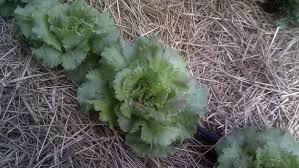
As the summer months approach, many of us look forward to enjoying fresh, crisp greens in our salads. One such delight is the insalata canasta, a type of lettuce that’s both nutritious and delicious. But what makes this leafy green so special? Let’s dive into its characteristics, cultivation process, and care tips to help you grow your own insalata canasta at home.
Characteristics of Insalata Canasta
Insalata canasta is a popular type of lettuce that boasts vibrant green leaves with reddish-brown undertones. Its unique appearance makes it a standout in any salad or dish. The plant’s stems are robust and fibrous, making it an excellent choice for salads, sandwiches, and more.
The insalata canasta’s flavor profile is mild and slightly sweet, with a hint of earthy undertones. It pairs well with a variety of ingredients, including fruits, nuts, and cheese. The leaves are tender and crunchy, adding texture to any salad or dish.
In addition to its delicious taste and versatility in cooking, insalata canasta also boasts several health benefits. It is rich in vitamins A and K, as well as folate and iron. These nutrients contribute to maintaining healthy bones, supporting immune function, and promoting digestive health.
Varieties of Insalata Canasta
Over the years, various cultivars of insalata canasta have emerged, each with its own distinct characteristics. Some popular varieties include:
- Lattuga rossa di Trento: This Italian variety is known for its deep red coloration on its leaves.
- Lattuga “ubriacona” (Umbrian Lattuga): Native to Umbria, this variety boasts reddish-brown stripes on its leaves.
- Batavia: A lesser-known variety, Batavia is prized for its resistance to cold temperatures and dry conditions.
Each of these varieties offers unique characteristics that can enhance the flavor and texture of your dishes. Experimenting with different types of insalata canasta will allow you to discover new favorites and expand your culinary repertoire.
Growing Insalata Canasta
With its ease of growth and adaptability, insalata canasta is an excellent choice for beginners. Here are some tips to help you get started:
- When to Plant: Insalata canasta can be planted in almost any season, provided the soil is well-draining.
- Soil Preparation: Choose a location with good drainage and partial shade to prevent scorching.
- Sowing Seeds: Sow seeds about 1-2 inches deep and 12-18 inches apart.
By following these guidelines, you can successfully grow your own insalata canasta at home. With proper care and attention, this delicious leafy green will thrive in your garden or indoor space.
Cultivating Insalata Canasta
Once you’ve sown your seeds, follow these care tips for optimal growth:
- Temperature Control: Maintain a temperature range of 18-21°C (64-70°F) during the germination phase.
- Watering: Water plants regularly, but avoid overwatering to prevent root rot.
- Pruning: Prune your insalata canasta to encourage bushy growth and prevent it from flowering.
Regular pruning will also help maintain a healthy and balanced plant, ensuring that you enjoy a continuous supply of fresh greens throughout the growing season.
Common Pests and Diseases
While insalata canasta is relatively pest- and disease-free, be aware of potential issues:
- Verticillium: A fungal infection that can cause yellowing or browning leaves.
- Bremia: A mildew-like fungus that can cause defoliation.
If you suspect an infestation or infection, take prompt action to prevent the problem from spreading. By monitoring your plants regularly and taking preventive measures, you can maintain a healthy insalata canasta garden.
Tips for Harvesting Insalata Canasta
Insalata canasta is ready for harvesting when the leaves are tender and fully developed. Here are some tips for selecting the right time to harvest:
- Check Leaf Size: Harvest leaves when they reach about 2-3 inches in length.
- Inspect Leaves: Choose leaves that are free of damage or discoloration.
By following these guidelines, you can enjoy a continuous supply of fresh insalata canasta throughout the growing season. Regular harvesting will also encourage your plant to continue producing new growth and healthy leaves.
FAQs
Q: How long does it take for insalata canasta to mature?
A: Insalata canasta typically takes 120 days to reach maturity.
Q: Can I grow insalata canasta indoors?
A: Yes, but ensure the plant receives sufficient light and maintain optimal temperatures.
Q: Is insalata canasta suitable for salads year-round?
A: While it’s possible to harvest leaves throughout the growing season, peak flavor is typically achieved during the cooler months.
Growing your own insalata canasta is a rewarding experience that requires minimal care. By following these guidelines, you’ll be enjoying fresh, crunchy greens in no time!


