
The Rise of Resin Flooring: Characteristics, Benefits, and Drawbacks
As a popular alternative for home decor and commercial spaces alike, resin flooring has gained significant attention in recent years. This versatile material boasts numerous benefits, making it an attractive option for those looking to revamp their existing flooring or create a new one from scratch.
Characteristics of Resin Flooring
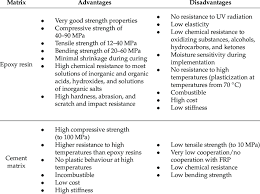
Resin flooring is a composite of synthetic binders and inert materials, making it suitable for both indoor and outdoor use. Depending on the intended application, various variations can be employed, including the possibility of using resin to cover walls. Its exceptional versatility has contributed to its widespread adoption in residential and commercial settings.
Historically, resin flooring was primarily found in industrial construction and heavily trafficked areas. However, with advancements in technology, it has become increasingly popular for indoor spaces, such as lofts and open-plan offices. One of the primary advantages of using resin flooring is that it can be applied directly over existing surfaces without requiring demolition, saving time and money.
Resin flooring can also be customized to suit various design aesthetics, making it an attractive option for those looking to create a unique and personalized space. Its durability and resistance to scratches and stains further contribute to its widespread appeal.
Benefits of Resin Flooring
When considering resin flooring for your space, there are several benefits to take into account:
- Durability: Resin flooring is highly resistant to physical stress and chemical damage, ensuring years of trouble-free service.
- Water Resistance: The impermeable nature of resin flooring makes it an excellent choice for outdoor use, as well as indoor spaces with high humidity or water exposure.
- Ease of Maintenance: Due to its smooth surface, resin flooring is easy to clean and maintain, reducing the risk of damage from dirt and debris.
- Versatility: Resin flooring can be applied in various finishes, including glossy, satin, and matte, allowing for a wide range of design options.
In addition to these benefits, resin flooring also offers flexibility when it comes to maintenance. Unlike traditional materials like tile or wood, which can crack or splinter over time, resin flooring remains intact even with heavy foot traffic.
Resin flooring is also an excellent choice for areas with high levels of foot traffic or heavy equipment use, as its durability and resistance to scratches and stains make it ideal for industrial and commercial spaces.
Drawbacks of Resin Flooring
While resin flooring boasts numerous advantages, it is not without its drawbacks:
- Crepes and Ruptures: Over time, small creeps or ruptures may occur in the surface of the resin, particularly if subjected to heavy stress or impact.
- Color Discoloration: As resin flooring ages, minor color changes may become noticeable, although these can often be prevented with proper maintenance.
To minimize the risk of crepes and ruptures, it is essential to follow proper installation procedures and ensure that the resin flooring is applied in a controlled environment.
In addition, regular cleaning and maintenance can help prevent discoloration and extend the lifespan of your resin flooring.
Choosing Resin Flooring
When selecting a resin flooring option, it is essential to consider factors such as cost, material composition, and potential performance issues. By partnering with a knowledgeable technician or specialist, you can make an informed decision about which type of resin flooring best suits your needs.
Some key considerations include:
- Type of Resin: Different types of resin flooring offer varying levels of durability and performance.
- Surface Finish: The finish of the resin flooring can greatly impact its aesthetic appeal and maintenance requirements.
- Material Composition: The composition of the resin flooring may affect its compatibility with other materials or substances.
By weighing these factors and consulting with a professional, you can select a high-quality resin flooring solution that meets your unique needs and preferences.
Frequently Asked Questions
- What is the primary advantage of using resin flooring in commercial spaces?
- Resin flooring offers durability and water resistance, making it an ideal choice for commercial environments.
- Can I use resin flooring to cover walls or other surfaces besides floors?
- Yes, resin flooring can be applied directly to walls or other surfaces to create a cohesive design.
- How often should I clean and maintain my resin flooring?
- Regular cleaning and maintenance can help prevent creeps and ruptures, ensuring the longevity of your resin flooring.
- Can I use resin flooring in areas with high humidity or water exposure?
- Yes, resin flooring is impermeable and suitable for areas with high humidity or water exposure.
- How long does it typically take to install a new layer of resin flooring?
- Installation times vary depending on the size of the area being covered and the complexity of the project.
By understanding the characteristics, benefits, and drawbacks of resin flooring, you can make an informed decision about whether this versatile material is right for your next project.


