
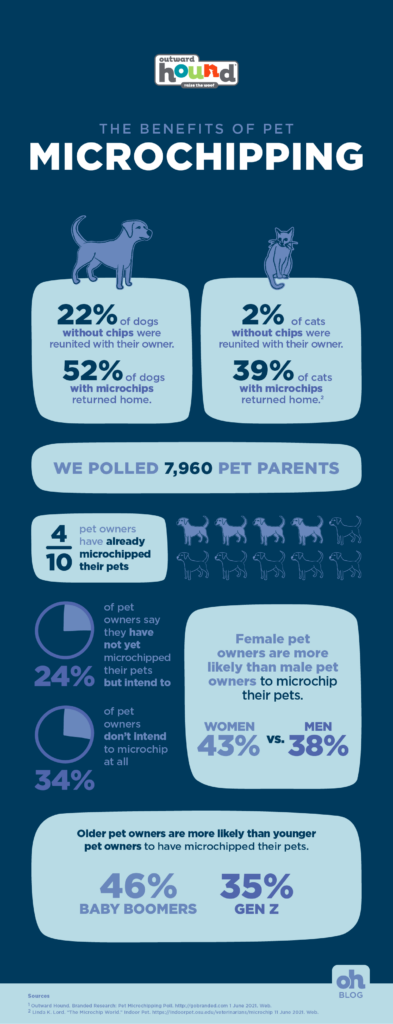
As a dog owner, you may have heard about microchipping as a way to ensure your pet’s safe return if they ever become lost. But what exactly is microchipping, and how does it work? In this article, we’ll delve into the world of microchips for dogs, exploring their benefits, requirements, and what you need to know before making a decision.
Understanding Microchipping Laws
Before we dive into the benefits of microchipping, it’s essential to understand the laws surrounding this practice. In many countries, including Italy, microchipping is mandatory for all dogs over a certain age. This law aims to prevent pet theft and ensure that lost dogs are identified and returned to their owners as quickly as possible.
What is Microchipping?
A microchip is a small device implanted under your dog’s skin, which contains a unique identification number. When scanned by a special reader, this number can be linked back to the dog’s registration information, allowing for their safe return if they become lost or stolen.
Benefits of Microchipping Your Dog
So, why should you consider microchipping your dog? Here are just a few benefits:
- Increased chances of recovery: If your dog becomes lost, a microchip can significantly increase the chances of them being returned to you.
- Prevention of pet theft: A microchip can help prevent pet theft by identifying the owner and making it easier for authorities to recover stolen animals.
- Peace of mind: Knowing that your dog is microchipped gives you peace of mind, especially if you’re away from home or traveling with your pet.
How Does Microchipping Work?
Microchipping involves a simple procedure where a veterinarian inserts a small device under the skin. The device contains a unique identification number and is usually implanted in the lower back area between the shoulder blades.
When a dog becomes lost, a member of animal control or a shelter staff can scan the microchip using a special reader. This information is then linked to the dog’s registration details, allowing for their safe return to you.
The Cost of Microchipping
The cost of microchipping varies depending on the location and veterinarian. However, it’s generally an affordable procedure that can be completed in under 10 minutes.
In Italy, the cost of a microchip can range from €20 to €50, depending on the region and the veterinarian.
Alternative Options to Microchipping
While microchipping is an effective way to ensure your dog’s safety, there are alternative options available:
- Collars with identification tags: While not as effective as microchipping, collars with identification tags can still provide valuable information about your dog.
- GPS tracking devices: GPS tracking devices can be attached to your dog’s collar and provide real-time location updates.
Conclusion
Microchipping is an essential step in ensuring the safety of your dog. By understanding the benefits, requirements, and process involved, you can make an informed decision about whether microchipping is right for your pet.
If you’re interested in learning more about microchipping or have questions about the process, consult with a veterinarian or animal control officer in your area.
Frequently Asked Questions
- How long does it take to implant a microchip?: The procedure typically takes under 10 minutes.
- Is microchipping painful for dogs?: No, microchipping is not painful for dogs and does not cause any discomfort or stress.
- Can I remove the microchip if I change my mind?: No, once implanted, a microchip cannot be removed. However, you can update your registration information as needed.
- Do I need to register my dog with the microchip?: Yes, it’s essential to register your dog with the microchip provider and provide accurate contact information in case of an emergency.
- Can I use a different type of identification tag or GPS tracking device instead of a microchip?: While not as effective, alternative options can still provide valuable information about your dog. However, they may not be recognized by all animal control agencies or shelters.
Additional Resources
For more information on microchipping and pet safety, consult the following resources:
- American Veterinary Medical Association (AVMA)
- International Association of Animal Behavior Consultants
- Pet Insurance Providers
By understanding the benefits and requirements of microchipping, you can take a proactive step in ensuring your dog’s safety and well-being.
Understanding Microchip Readers
Microchip readers are special devices that scan the unique identification number embedded in the microchip. These readers come in different types:
- ** Passive readers**: These readers use radio waves to detect the microchip without requiring any power source.
- Active readers: These readers use a direct current (DC) power source to activate the microchip and read the data.
Microchipping for Kittens
Microchipping is available for kittens as well. However, it’s essential to note that some veterinarians may not implant a microchip in kittens until they are older due to concerns about potential complications.
If you’re planning to microchip your kitten, consult with your veterinarian for guidance on the best approach.
The Importance of Microchipping Senior Dogs
Senior dogs are at higher risk of becoming lost or stolen. By microchipping senior dogs, you can ensure their safe return in case they become separated from you.
Microchipping Dogs with Medical Conditions
If your dog has a medical condition that may affect the microchip’s ability to scan correctly, consult with your veterinarian for guidance on the best approach.
Some common medical conditions that may impact microchipping include:
- Metal implants: If your dog has metal implants, such as pacemakers or joint replacements, they may not be compatible with some microchip readers.
- Cancer treatment: In some cases, cancer treatment may affect the body’s ability to implant a microchip.
Microchipping Dogs for Travel
If you’re planning to travel with your dog, consider microchipping them before your trip. This can help ensure their safe return in case they become lost or stolen during your journey.
By understanding the benefits and requirements of microchipping, you can take a proactive step in ensuring your dog’s safety and well-being.


