
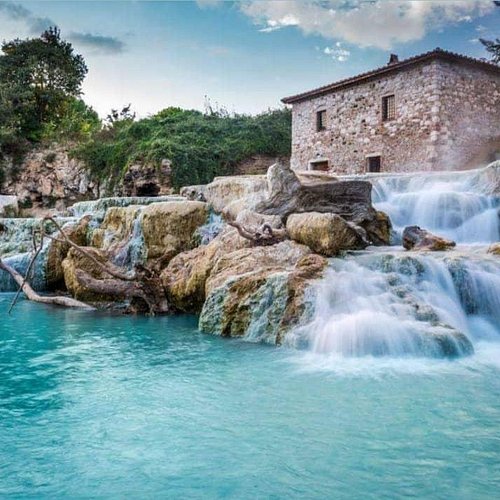
Tuscany is renowned for its breathtaking landscapes, rich history, and world-class cuisine. However, beyond the popular destinations, lies a treasure trove of unique eco-tourism experiences waiting to be explored. In this article, we will delve into five hidden gems in Tuscany that showcase the region’s commitment to sustainable tourism.
Understanding Eco-Tourism in Tuscany
Before we embark on our journey, let’s define what eco-tourism means. Eco-tourism is a type of travel that minimizes the impact on the environment and local communities. It encourages visitors to respect and appreciate the natural beauty of an area while supporting sustainable practices.
Eco-tourism in Tuscany is focused on preserving the region’s unique landscapes, cultures, and wildlife. By choosing eco-friendly accommodations, transportation, and activities, tourists can contribute to the preservation of these valuable resources for future generations.
Sustainable Tourism Practices
To promote sustainable tourism in Tuscany, there are several practices that visitors can adopt:
- Reduce waste: Bring reusable water bottles, bags, and containers to reduce plastic waste.
- Use public transportation: Use buses, trains, or bicycles instead of private cars to minimize carbon emissions.
- Support local businesses: Choose locally-owned accommodations, restaurants, and shops to support the local economy.
- Respect wildlife habitats: Keep a safe distance from wildlife, especially in protected areas, and never feed them.
- Learn about local customs: Respect local traditions and customs, especially when visiting rural areas or attending cultural events.
1. The Mugello Region: A Green Oasis
Located north of Florence, the Mugello region is a hidden gem for eco-tourists. This picturesque valley is characterized by rolling hills, lush forests, and sparkling streams. With its preserved landscape, the Mugello offers a serene escape from the hustle and bustle of city life.
The Mugello region is home to several charming towns and villages, each with its own unique history and architecture. Visitors can explore the region’s natural beauty through hiking, mountain biking, or horseback riding.
- Outdoor Activities:
- Hiking: The Mugello region offers numerous hiking trails, ranging from easy strolls to challenging treks.
- Mountain Biking: Explore the region’s rolling hills and scenic trails on a mountain bike.
- Horseback Riding: Experience the region’s natural beauty on horseback, offered by local stables.
- Cultural Significance: The area is home to several charming towns and villages, each with its own unique history and architecture.
2. All’Argentario: A Coastal Paradise
Located on the western coast of Tuscany, All’Argentario is a stunning peninsula surrounded by crystal-clear waters. This region is perfect for those seeking an eco-friendly beach vacation. With its mild climate and diverse landscapes, All’Argentario offers something for everyone.
All’Argentario is known for its pristine beaches, picturesque villages, and scenic coastal walks. Visitors can enjoy water sports, such as swimming, snorkeling, or kayaking, in the calm waters of the Mediterranean.
- Beach Activities: Swimming, snorkeling, kayaking, and paddleboarding are just a few ways to enjoy the beautiful beaches of All’Argentario.
- Marine Life: The region is home to an incredible array of marine life, including dolphins, whales, and sea turtles.
3. Val d’Orcia: A Cultural and Natural Haven
Located in the heart of Tuscany, Val d’Orcia is a beautiful valley surrounded by rolling hills and picturesque villages. This region is renowned for its stunning landscapes, rich history, and world-class wine production.
Val d’Orcia is a UNESCO World Heritage Site, recognized for its unique cultural and natural significance. Visitors can explore the region’s medieval towns, vineyards, and olive groves, learning about its rich history and agricultural traditions.
- Wine Country: Visit some of the region’s famous wineries and taste some of the world’s best wines.
- Cultural Significance: The area is home to several medieval towns and villages, each with its own unique history and architecture.
4. Parco Nazionale dell’Arcipelago Toscano: A Marine Paradise
Located off the coast of Tuscany, this national park comprises seven islands: Elba, Capraia, Gorgona, Pianosa, Montecristo, Giglio, and Giannutri. This marine paradise is home to an incredible array of marine life, including dolphins, whales, and sea turtles.
The park offers a range of eco-friendly activities, such as boat tours, snorkeling, and scuba diving, allowing visitors to explore the islands’ stunning landscapes and marine life up close.
- Boat Tours: Take a boat tour to explore the islands and their stunning landscapes.
- Wildlife Watching: The park is home to a diverse range of wildlife, including seabirds, monk seals, and finches.
5. Laguna di Orbetello: A Birdwatcher’s Paradise
Located in the Maremma region, the Laguna di Orbetello is a beautiful lagoon that attracts thousands of birds each year. This area is perfect for eco-tourists who love birdwatching and nature.
The lagoon is home to over 200 species of birds, including pelicans, egrets, and herons. Visitors can explore the lagoon’s wetlands, salt pans, and beaches, learning about the region’s unique avifauna.
- Bird Watching: The lagoon is home to an incredible array of bird species, making it a paradise for birdwatchers.
- Wildlife Watching: In addition to birds, the lagoon is also home to a range of wildlife, including otters, rabbits, and deer.
Conclusion
Tuscany offers an incredible array of eco-tourism experiences that cater to all interests and preferences. From the rolling hills of the Mugello region to the marine paradise of Parco Nazionale dell’Arcipelago Toscano, there’s something for everyone in this beautiful Italian region.
By choosing sustainable tourism practices and supporting local businesses, visitors can contribute to the preservation of Tuscany’s unique landscapes, cultures, and wildlife. We hope that this article has inspired you to visit Tuscany and experience its hidden gems for eco-tourism.
FAQs:
- What is eco-tourism?: Eco-tourism is a type of travel that minimizes the impact on the environment and local communities.
- Why should I visit Tuscany?: Tuscany offers a unique combination of natural beauty, cultural significance, and world-class cuisine.
- What are some outdoor activities in Tuscany?: Hiking, mountain biking, horseback riding, swimming, snorkeling, kayaking, birdwatching, and wine tasting are just a few examples.
- Can I visit the Parco Nazionale dell’Arcipelago Toscano without going to sea?: Yes, there are many hiking trails and scenic routes that allow you to explore the park without needing to venture into the ocean.
- Is Tuscany safe for tourists?: Generally, yes. However, it’s always a good idea to take normal precautions to ensure your safety while traveling.
Additional Tips:
- Respect local customs: Learn about local traditions and customs, especially when visiting rural areas or attending cultural events.
- Use public transportation: Use buses, trains, or bicycles instead of private cars to minimize carbon emissions.
- Support local businesses: Choose locally-owned accommodations, restaurants, and shops to support the local economy.
By following these tips and adopting sustainable tourism practices, you can help preserve Tuscany’s unique landscapes, cultures, and wildlife for future generations. Buon viaggio!


