
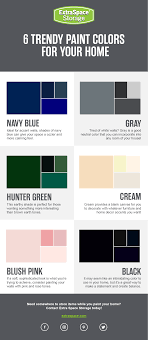
When it comes to selecting the perfect wall color, there are several factors to consider. Not only do colors affect our mood and behavior, but they also impact the overall aesthetic of a room. In this article, we’ll delve into the importance of choosing the right wall color and provide guidance on how to make an informed decision.
The Technical Benefits of Wall Color
From a technical standpoint, wall color can significantly impact the ambiance of a space. Light colors can reflect light and make rooms appear brighter, while dark colors can absorb heat and create a cozier atmosphere. Additionally, certain colors can affect our perception of shapes and forms, making them ideal for specific design elements.
For example, when it comes to interior design, lighter colors on walls can help to:
- Create the illusion of more space: By using light colors, you can make rooms appear larger and more expansive, creating a sense of openness and freedom.
- Make rooms appear brighter and more welcoming: Light colors can reflect light, making the room feel brighter and more inviting. This is particularly beneficial in areas like living rooms or bedrooms where we want to create a cozy atmosphere.
- Balance out bold or dark furniture: If you have bold or dark furniture pieces in your room, using lighter colors on the walls can help balance them out and prevent the space from feeling overwhelming.
On the other hand, darker colors on walls can have a more dramatic effect, creating a cozy and intimate atmosphere. This can be particularly beneficial in areas like living rooms or bedrooms where we want to create a sense of relaxation and tranquility.
The Psychological Impact of Wall Color
Beyond their technical benefits, wall color also has a profound impact on our emotions and behavior. Different colors can evoke distinct moods and reactions, making them an effective tool for designing spaces that promote well-being.
For instance:
- Warm colors like orange and red can stimulate energy and excitement: These colors are often associated with passion, enthusiasm, and warmth, making them ideal for areas like home offices or playrooms where we want to create a sense of energy and motivation.
- Cool colors like blue and green can promote relaxation and calmness: Cool colors have a calming effect on the mind and body, making them perfect for areas like bedrooms or meditation rooms where we want to create a sense of peace and tranquility.
- Neutral colors like beige and gray can create a sense of balance and stability: Neutral colors are often associated with balance and stability, making them ideal for areas like living rooms or dining rooms where we want to create a sense of calmness and sophistication.
Choosing the Right Color for Your Space
With so many factors to consider, selecting the perfect wall color can seem daunting. However, by following these guidelines, you can make an informed decision that enhances your space:
- Consider the natural light in the room: The amount of natural light in a room can greatly impact how a color will appear. Lighter colors may look different in rooms with plenty of sunlight versus those with limited natural light.
- Think about the mood and atmosphere you want to create: Before selecting a wall color, consider the overall mood and atmosphere you want to create in your space. This will help you choose a color that aligns with your goals and preferences.
- Choose colors that complement the design elements and furniture: When selecting a wall color, make sure it complements the design elements and furniture in the room. A color that clashes with the rest of the design can detract from the overall aesthetic.
By taking a thoughtful approach to selecting wall color, you can create a space that not only looks great but also promotes well-being and happiness.
Additional Tips
Here are some additional tips to keep in mind when choosing wall color:
- Consider the 60-30-10 rule: Divide your room into 60% dominant color, 30% secondary color, and 10% accent color to create a harmonious balance. This will help you choose colors that work well together and create a cohesive look.
- Don’t forget about undertones: Different colors have undertones that can affect their appearance. Consider the undertone of the color you’re choosing to ensure it complements the rest of your design.
- Test the color: Before committing to a specific shade, test it out with paint swatches or online visualizers to see how it looks in different lighting conditions.
By following these guidelines and considering the technical and psychological benefits of wall color, you can create a space that is both beautiful and functional. Whether you’re looking to enhance your mood, promote relaxation, or simply create a sense of balance and stability, choosing the right wall color can make all the difference.
Common Wall Color Mistakes
When it comes to selecting wall color, there are several common mistakes to avoid. Here are some of the most common mistakes people make when choosing wall color:
- Choosing a color that’s too bold or overpowering: While bold colors can be great for accent walls, they may not be suitable for entire room.
- Failing to consider the undertone: Different colors have different undertones that can affect their appearance. If you don’t consider the undertone of the color, it may clash with other design elements in the room.
- Not testing the color: Before committing to a specific shade, test it out with paint swatches or online visualizers to see how it looks in different lighting conditions.
By avoiding these common mistakes and following our guidelines for choosing wall color, you can create a space that is both beautiful and functional. Whether you’re looking to enhance your mood, promote relaxation, or simply create a sense of balance and stability, choosing the right wall color can make all the difference.
Conclusion
Choosing the right wall color is an important decision that can greatly impact the overall aesthetic of a room. By considering the technical benefits of wall color, the psychological impact it has on our emotions and behavior, and following our guidelines for selecting the perfect shade, you can create a space that not only looks great but also promotes well-being and happiness.
Remember to consider the natural light in the room, think about the mood and atmosphere you want to create, and choose colors that complement the design elements and furniture. Don’t forget about undertones and test the color before committing to a specific shade. By following these tips and avoiding common mistakes, you can create a space that is both beautiful and functional.


