
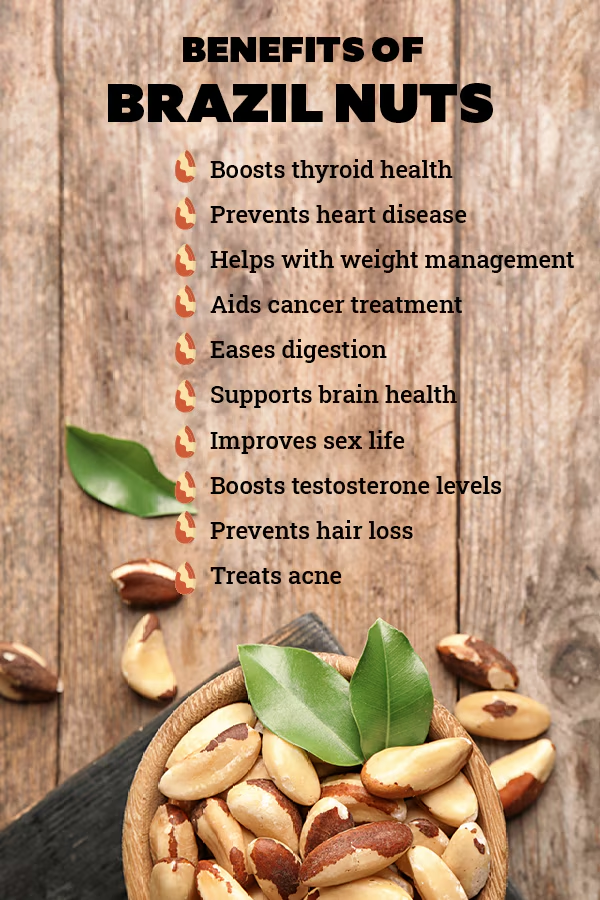
Brazilian nuts, also known as Brazil nuts, are a unique type of seed from the Bertholletia excelsa tree, which is native to the forests of South America, particularly in Brazil. These seeds have a distinct flavor and nutritional profile, making them an interesting addition to our diet.
Understanding the Nutritional Content
In this article, we will delve into the nutritional benefits of Brazilian nuts, including their macronutrient content, vitamins, and minerals. We’ll also explore the potential risks associated with consuming these nuts and provide information on how to use them in cooking.
The Nutritional Profile of Brazilian Nuts
One ounce (28g) of Brazil nuts contains:
- 656 calories
- 14.32 grams of protein
- 66.43 grams of fat
- 12.27 grams of carbohydrates
- 7.5 grams of fiber
- 7.87 milligrams of vitamin E
- 0.295 milligrams of niacin
- 0.617 milligrams of pantothenic acid
- 0.101 milligrams of pyridoxine
- 0.035 milligrams of riboflavin
- 22 micrograms of folic acid
- 0.7 micrograms of vitamin C
- 725 milligrams of phosphorus
- 597 milligrams of potassium
- 376 milligrams of magnesium
- 160 milligrams of calcium
- 4.06 milligrams of zinc
- 2.43 milligrams of iron
- 2 milligrams of sodium
- 917 micrograms of selenium
- 1.743 milligrams of copper
- 1.223 milligrams of manganese
Do Brazilian Nuts Have Health Benefits?
Brazilian nuts are rich in essential nutrients, including healthy fats, vitamins, and minerals. These nutrients can help support overall health and well-being. Some potential benefits of consuming Brazilian nuts include:
- Reducing bad cholesterol and increasing good cholesterol levels
- Providing antioxidant properties to protect the skin and mucous membranes from damage
- Supporting immune function with selenium
- Enhancing cognitive function with vitamin B
- Aiding in iron absorption for healthy red blood cells
Potential Risks Associated with Consuming Brazilian Nuts
While Brazilian nuts are nutritious, it’s essential to consume them in moderation. High levels of selenium can cause symptoms such as nausea, vomiting, and emotional distress. If you experience any adverse reactions, consult your healthcare provider.
Using Brazilian Nuts in Cooking
Brazilian nuts can be used in a variety of dishes, including:
- Nutmeg Latte: A dairy-free alternative to traditional milk, made by blending soaked Brazil nuts with water.
- Grilled Fish and Meat Condiment: Sprinkle Brazil nuts on grilled fish or meat for added flavor and nutrition.
- Pesto: Blend Brazilian nuts with basil, garlic, and olive oil for a unique pesto sauce.
- Chocolate Treats: Use Brazilian nuts to balance sweet and savory flavors in baked goods.
Benefits of Raw vs. Roasted Brazilian Nuts
Raw Brazilian nuts can be beneficial for digestive health due to their high fiber content. However, they may also contain pesticides or other contaminants that can affect overall health. On the other hand, roasted Brazilian nuts are easier to digest but may lose some of their nutritional value.
Tips for Preparing Brazilian Nuts
To prepare Brazilian nuts, follow these steps:
- Shake and sort: Shake Brazil nuts in a container to loosen any debris or contaminants.
- Rinse: Rinse Brazil nuts with water to remove any dirt or pesticides.
- Dry: Dry Brazil nuts thoroughly before using them in cooking.
The Role of Selenium in Brazilian Nuts
Selenium is an essential mineral found in small amounts in Brazilian nuts. While selenium can have beneficial effects on immune function and overall health, high levels of consumption can cause adverse reactions. It’s essential to consume Brazilian nuts in moderation to reap the benefits while minimizing the risks.
Brazilian Nuts for Vegan Diets
Brazilian nuts are an excellent option for vegans and vegetarians due to their rich nutritional profile and versatility in cooking. They are also a good source of protein, making them an excellent alternative to other types of nuts or legumes.
Conclusion
Brazilian nuts offer numerous nutritional benefits and can be a valuable addition to our diet. While there are potential risks associated with consuming them, these can be mitigated by moderation and proper consumption guidelines. With their unique flavor and versatility in cooking, Brazilian nuts are definitely worth exploring.
Frequently Asked Questions
Q: Are Brazilian nuts suitable for everyone?
A: Yes, but individuals with selenium allergies or sensitivities should consult their healthcare provider before consuming Brazil nuts.
Q: Can I eat raw Brazilian nuts without processing them?
A: While it’s possible to eat raw Brazilian nuts, they can be difficult to digest due to their hard outer shell. You can purchase pre-processed Brazil nuts at most health food stores.
Q: Are Brazilian nuts a good source of protein?
A: Yes, with 14.32 grams of protein per ounce (28g), making them an excellent option for vegetarians and vegans.
Q: Can I use Brazil nuts as a substitute for other types of nuts?
A: Due to their unique flavor and nutritional profile, Brazilian nuts are best used in specific recipes where their distinct taste is desired.
Q: Are Brazilian nuts rich in gluten-free ingredients?
A: Yes, making them an excellent option for those with gluten intolerance or sensitivity.
Q: Can I consume Brazil nuts during pregnancy or breastfeeding?
A: As with any food, it’s essential to consult your healthcare provider before consuming Brazil nuts, especially if you have any underlying health conditions or allergies.
Additional Sources of Nutrients
While Brazilian nuts are a valuable source of nutrients, there are other foods that can provide similar benefits. Some additional sources of nutrients include:
- Almonds: Rich in vitamin E and magnesium
- Walnuts: High in omega-3 fatty acids and antioxidants
- Chia seeds: Excellent source of fiber and protein
- Spinach: Rich in iron and folate
Conclusion
Brazilian nuts are a unique and nutritious addition to our diet. By understanding their nutritional profile, potential risks, and benefits, you can incorporate them into your daily meals and snacks. Remember to consume Brazilian nuts in moderation and follow proper preparation guidelines to reap the rewards of this delicious and nutritious food.
In conclusion, Brazilian nuts are an excellent source of nutrients that can provide numerous health benefits when consumed in moderation. By understanding their nutritional profile, potential risks, and benefits, you can incorporate them into your daily meals and snacks. With their unique flavor and versatility in cooking, Brazilian nuts are definitely worth exploring.


