
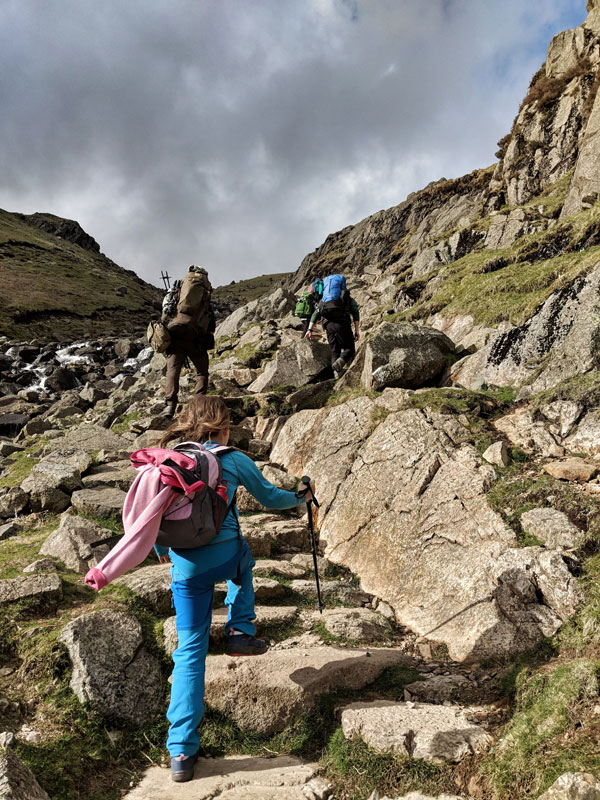
Have you envied your friend’s photos of mountain summits and green meadows after their hiking trip or looked at a colleague who spent their summer backpacking through national parks and forests with envy? Well, it’s time to start walking on the other side. Not everyone can hike in the mountains without problems of mobility, but with good training and a thoughtful approach, you can too.
Why Start Hiking in the Mountains?
As our lives become more fast-paced and demanding, we need activities that allow us to reconnect with nature, get some exercise, and take a break from daily routines. Hiking in the mountains is an excellent way to do just that. Not only does it provide physical exercise, but it also clears your mind, fills you with fresh air, and allows you to disconnect for a while.
Benefits of Mountain Hiking
Mountain hiking has numerous benefits for both body and mind. Some of these benefits include:
- Improved cardiovascular health: Regular mountain hikes can improve your heart rate, reduce blood pressure, and increase overall cardiovascular fitness.
- Weight loss: Hiking in the mountains is an excellent way to burn calories and lose weight, especially when combined with a healthy diet.
- Reduced stress levels: Being in nature has been shown to reduce stress levels, improve mood, and even alleviate symptoms of depression.
- Improved mental clarity: The peace and quiet of the mountains can help you clear your mind, focus on the present moment, and gain a sense of clarity.
Choosing Your Approach
There are many ways to hike in the mountains, and we can choose the one that suits us best and our fitness level. Some like to start with easy walks on flat terrain, while others prefer more challenging hikes with steep climbs and descents. You can also opt for short, gentle hikes or longer, more demanding treks.
Types of Hikes
There are many types of mountain hikes available, catering to different levels of difficulty and fitness. Some popular options include:
- Day hikes: These are short, easy hikes that can be completed in a single day.
- Multi-day treks: For those who want to immerse themselves in nature for an extended period, multi-day treks offer a chance to explore remote areas and enjoy the scenery at their own pace.
- Backpacking trips: These involve carrying all your gear on your back and camping overnight in the wilderness.
Why Hiking is Suitable for All Ages
Hiking is not just for young people or those in good physical shape. With some preparation and caution, anyone can start hiking in the mountains, regardless of age. In fact, many people find that hiking helps them stay healthy and active as they get older.
Health Benefits for Older Adults
Hiking has numerous health benefits for older adults, including:
- Improved mobility: Regular hiking can help improve joint mobility, reduce stiffness, and increase flexibility.
- Weight loss: As we age, our metabolism slows down, making it easier to gain weight. Hiking in the mountains is an excellent way to burn calories and lose weight.
- Reduced risk of chronic diseases: Regular hiking has been shown to reduce the risk of chronic diseases such as heart disease, diabetes, and certain types of cancer.
How to Start Hiking in the Mountains: Tips and Advice
Now that we’re ready, let’s start! Here are our top tips for starting your hiking journey:
1. Start Slowly
Don’t try to tackle too much too soon. Instead, choose gentle walks on flat terrain to get started.
2. Assess Your Fitness Level
Understand your physical limitations and don’t overexert yourself.
3. Gradually Increase Distance and Difficulty
As you become more comfortable, increase the distance and difficulty of your hikes.
4. Listen to Your Body
Pay attention to your body’s signals and take regular breaks to avoid exhaustion.
5. Make It Enjoyable
Remember that hiking is a pleasure! Take time to appreciate the scenery, enjoy the peace and quiet, and have fun!
Putting It into Practice: Tips for Regular Hiking
To make hiking a regular part of your life, here are some additional tips:
- Try to hike at least once a week, even if it’s just a short walk.
- Find a hiking buddy or join a local hiking group to keep you motivated and safe.
- Use maps and GPS devices to navigate the trails and stay on track.
Frequently Asked Questions
Here are some common questions about hiking in the mountains:
- Q: Do I need to be an experienced hiker to start?
A: No, not at all. You just need to be willing to learn and take things slowly. - Q: How do I know if I’m ready for a longer hike?
A: Pay attention to your body’s signals. If you’re feeling tired or uncomfortable, it’s time to turn back. - Q: Can I hike in the mountains with a disability?
A: Absolutely. There are many accessible trails and routes that can accommodate people with disabilities.
Safety Considerations
When hiking in the mountains, safety should always be your top priority. Here are some key considerations:
- Research the trail: Before heading out, research the trail to understand any potential hazards or challenges.
- Check the weather: Always check the weather forecast before heading out and be prepared for changing conditions.
- Bring appropriate gear: Pack essential gear such as a first aid kit, map, compass, and water bottle.
Conclusion
Hiking in the mountains is an excellent way to connect with nature, improve your physical health, and reduce stress levels. With some preparation and caution, anyone can start hiking in the mountains, regardless of age or fitness level. So, what are you waiting for? Lace up those hiking boots and get ready to explore!


