
Improving Soil Fertility: A Comprehensive Guide
Understanding Soil Fertility
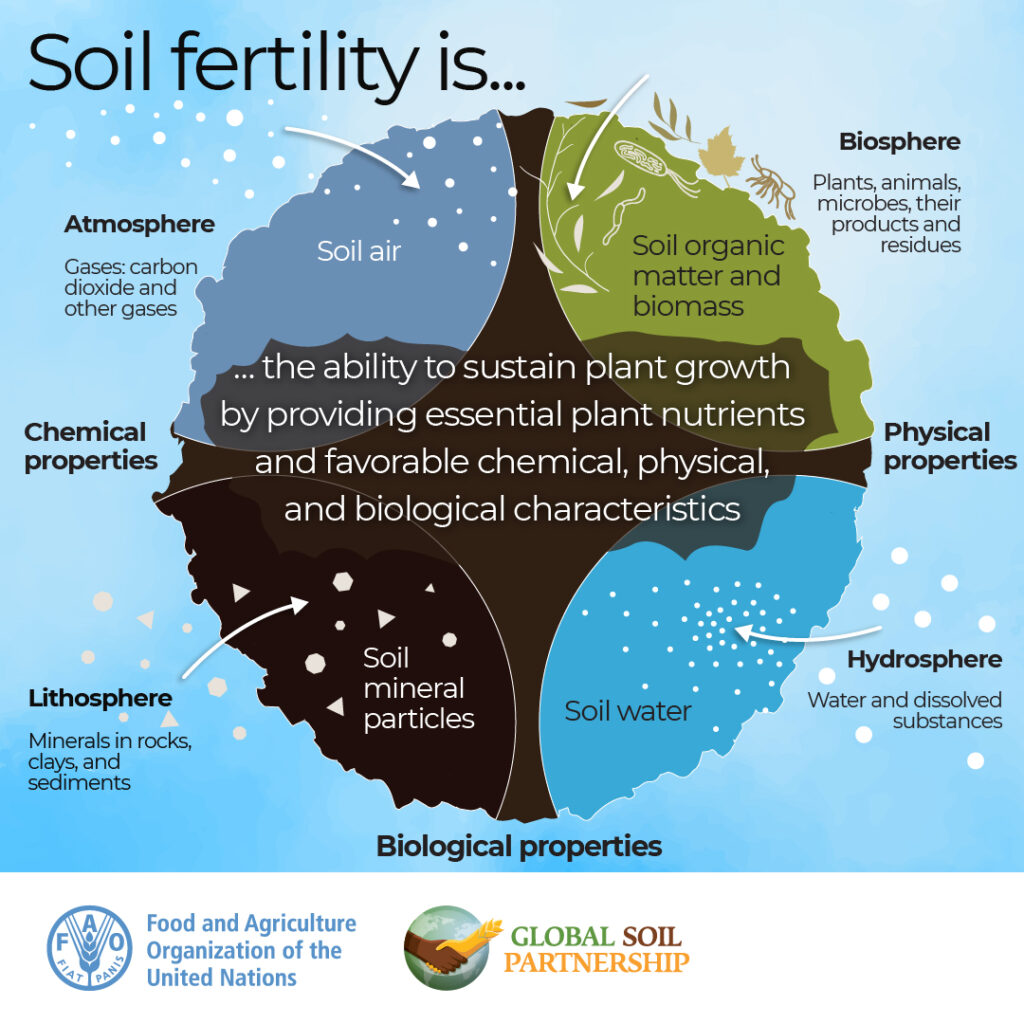
Soil fertility is the ability of a soil to support optimal plant growth and development. It is a complex phenomenon that encompasses physical, chemical, and biological characteristics. In essence, soil fertility refers to the capacity of a soil to provide essential nutrients and microorganisms for plant growth.
Physical Soil Fertility
Physical soil fertility is related to the structure and granulometry of soil components. This includes the texture of soil particles, their size distribution, and the presence of aggregates. A well-structured soil will have good drainage, aeration, and water-holding capacity, making it suitable for plant growth.
Biological Soil Fertility
Biological soil fertility depends on the presence of microorganisms that break down organic matter and mineralize nutrients. These microorganisms play a crucial role in improving soil fertility by releasing essential nutrients and promoting nutrient cycling.
Chemical Soil Fertility
Chemical soil fertility involves various factors, including cation exchange capacity, nitrogen fixation, and pH levels. A balanced chemical environment is necessary for optimal plant growth, and soil fertility can be improved by adjusting these parameters.
Improving Soil Fertility: Strategies and Techniques
Improving soil fertility requires a comprehensive approach that addresses physical, biological, and chemical aspects. Here are some practical strategies to enhance soil fertility:
- Vangatura Autunnale: Fall plowing helps improve soil’s ability to retain and release water for root growth.
- Correcting Soil Structure: Adding organic matter like compost or leaf mold can help correct clay soils’ heavy texture, allowing roots to grow deeper. In contrast, adding sand to heavy soils can improve drainage.
- Soil Aeration and Watering: Regular aeration and watering are essential for maintaining healthy soil microorganisms.
Evaluating Soil Fertility
Assessing soil fertility is critical to determining the potential of a soil for plant growth. Several methods can be used, including:
- Field Tests: Visual observations and simple tests like pH measurement can provide an initial assessment.
- Laboratory Analysis: More comprehensive tests, such as nutrient analysis, can provide detailed information about soil fertility.
Organic Methods
Organic methods are preferred for improving soil fertility as they promote long-term benefits without disrupting the delicate balance of soil ecosystems. Some effective organic strategies include:
- Composting: Compost can be used to improve soil structure and fertility by adding beneficial microorganisms.
- Cover Cropping: Cover crops can help retain moisture, suppress weeds, and attract beneficial insects.
Inorganic Methods
Inorganic methods involve the use of chemical amendments to improve soil fertility. While these methods can provide temporary benefits, they can also disrupt the balance of soil ecosystems if overused or misused. Some inorganic strategies include:
- Fertilizers: Fertilizers can provide essential nutrients for plant growth.
- Soil Amendments: Soil amendments like lime and gypsum can help adjust pH levels and improve soil structure.
Limitations and Challenges
Improving soil fertility is a challenging task that requires careful planning, monitoring, and management. Some of the limitations and challenges include:
- Soil Degradation: Soil degradation can result from over-tilling, erosion, and pollution.
- Climate Change: Climate change can alter weather patterns and affect soil moisture levels.
Conclusion
Improving soil fertility is essential for sustainable agriculture. By understanding the physical, biological, and chemical aspects of soil fertility, farmers and gardeners can develop effective strategies to enhance soil health and promote plant growth. Regular maintenance practices, like vangatura autunnale and correcting soil structure, can go a long way in improving soil fertility.
Frequently Asked Questions (FAQs)
- What is the primary factor affecting soil fertility?
- Soil structure and composition are crucial for maintaining optimal nutrient availability.
- How can I improve my soil’s water-holding capacity?
- Adding organic matter, such as compost or leaf mold, can help increase water retention.
- Can pH levels affect soil fertility?
- Yes, extreme pH levels can limit nutrient availability and hinder microbial activity.
- What is the role of microorganisms in improving soil fertility?
- Microorganisms play a vital role in breaking down organic matter, releasing nutrients, and promoting nutrient cycling.
- How often should I aerate my soil to maintain healthy microorganisms?
- Regular aeration can help maintain optimal microbial activity and promote nutrient cycling.
- Can I use chemicals to improve soil fertility?
- While chemical amendments can provide temporary benefits, they can also disrupt the delicate balance of soil ecosystems. Opt for organic methods whenever possible.
- How can I assess my soil’s fertility?
- Visual observations, simple tests like pH measurement, and laboratory analysis can provide valuable insights into soil fertility.
- What is the most effective way to improve soil structure?
- Adding organic matter, such as compost or leaf mold, can help correct clay soils’ heavy texture and improve drainage.
References
- Organic Farming for Sustainable Soil Management: This article discusses the importance of organic farming in improving soil fertility.
- Soil Structure and Crop Yield: This research paper explores the relationship between soil structure and crop yield.
- The Role of Microorganisms in Soil Ecosystems: This scientific review discusses the role of microorganisms in maintaining soil health.
Additional Resources
- National Institute of Food and Agriculture (NIFA): NIFA provides information on sustainable agriculture practices, including organic farming methods.
- Soil Health Institute: The Soil Health Institute offers resources and tools for improving soil fertility and promoting sustainable agriculture practices.
- USDA Natural Resources Conservation Service (NRCS): NRCS provides guidance and support for farmers and landowners who want to improve soil health through conservation practices.


