
Introduction
As an avid gardener, you may have encountered the pesky aleurodids, also known as whitefly or mosquito bugs. These tiny insects can cause significant damage to various crops, including fruits, vegetables, and ornamental plants. In this article, we’ll delve into the world of these unwanted pests, exploring their life cycle, habits, and effective methods for elimination.
What are Aleurodids?
Aleurodids are small, white or yellowish insects that feed on plant sap. They belong to the species Trialeurodes vaporariorum and can be found in greenhouses, backyards, and even indoor spaces. These pests are known to infest a wide range of plants, including those used for food production.
The Life Cycle of Aleurodids
Aleurodids have a complex life cycle that consists of multiple generations. The females lay eggs on the underside of leaves, which hatch into nymphs after 3-5 days. The nymphs go through several stages of development before reaching adulthood, during which they feed on plant sap and multiply rapidly.
The adult aleurodids emerge from their cocoons in about two weeks, and can live for up to six months without feeding. They are known to reproduce throughout the year, with multiple generations occurring simultaneously. This rapid reproduction rate makes it challenging to control infestations of these pests.
The Damage Caused by Aleurodids
Infestations of aleurodids can lead to significant damage to crops. The insects suck the sap from plants, causing yellowing or stunting of leaves, and reducing fruit production. In severe cases, infested plants may even die due to excessive sap consumption.
Aleurodids can also spread plant viruses and other diseases, further exacerbating the problem. They are known to feed on the sap of plants, which contains vital nutrients and water, leading to reduced plant growth and productivity.
Eliminating Aleurodids: Chemical vs. Biological Methods
Due to their complex life cycle, chemical treatments can be challenging to use effectively against aleurodids. Instead, many gardeners opt for biological methods that utilize natural predators or parasites to control the population.
Biological Control Methods
One effective method of biological control is the introduction of Encarsia formosa, a parasitic wasp that specifically targets aleurodids. By releasing pupae of this wasp within infested areas, gardeners can effectively eliminate large numbers of aleurodids. Several companies, such as Koppert Italia, Syngenta, Bioplanet, Scam, and Biogard Division of CBC, commercialize these Encarsia formosa pupae for use in agricultural settings.
Encarsia formosa is a highly effective biological control method due to its specificity towards aleurodids. The wasp larvae feed on the eggs and nymphs of the whitefly, killing them and preventing further infestation. This method has been widely used in greenhouses and indoor spaces to manage aleurodids populations.
Organic Remedies
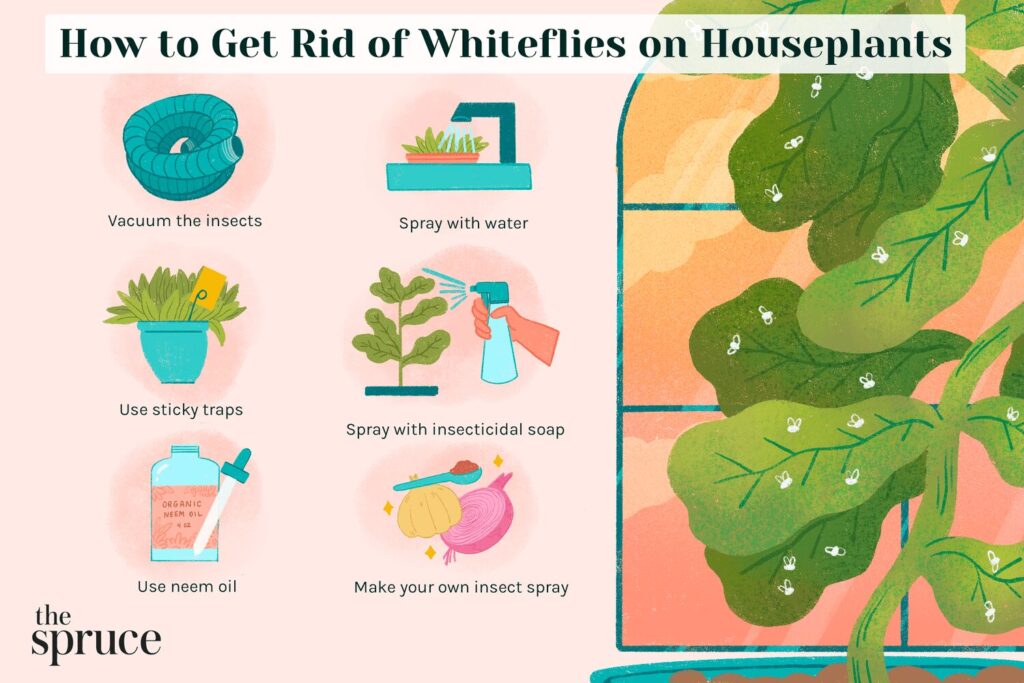
For those looking to avoid chemical treatments altogether, there are several organic remedies that can help control aleurodids. Garlic is a popular natural repellent that has been shown to deter these pests. Simply crush garlic cloves and mix them with water to create a spray solution, or add garlic-infused oil directly to infested areas.
Other natural remedies, such as neem oil and pyrethrin, have also been found to be effective against aleurodids. Neem oil is a plant-based pesticide that can be used to control aphid populations, including those of the whitefly. Pyrethrin is a natural insecticide derived from chrysanthemum flowers, which has been shown to be toxic to various pests, including aleurodids.
Prevention Strategies
Preventing infestations of aleurodids requires some upfront effort but can save you time and money in the long run. Here are some effective prevention strategies:
- Regularly inspect your plants for signs of infestation
- Remove weeds and debris from surrounding areas to reduce hiding spots for aleurodids
- Use physical barriers, such as fine-mesh screens or row covers, to prevent eggs and nymphs from reaching plants
- Implement integrated pest management (IPM) techniques that combine multiple methods, including biological control and organic remedies
Integrated Pest Management (IPM)
IPM is a holistic approach to managing pests that involves the use of multiple strategies, such as biological control, cultural practices, and physical barriers. By combining these methods, gardeners can create a comprehensive plan for controlling aleurodids populations.
In addition to biological control and organic remedies, IPM may also involve cultural practices such as pruning, fertilizing, and irrigation management. These practices can help prevent infestations by reducing the likelihood of whitefly eggs hatching or nymphs reaching maturity.
Conclusion
Aleurodids can be a significant threat to crops and gardens worldwide. By understanding their life cycle, habits, and effective elimination methods, you can take steps to prevent infestations and protect your plants. From biological control methods to organic remedies, there are many options available for managing these pesky pests.
FAQs
- What is the best way to eliminate aleurodids?
Biological control methods using Encarsia formosa or other natural predators can be an effective solution. - Can garlic repellent protect against aleurodids?
Garlic-based sprays or oils have been shown to deter aleurodids, but repeated applications may be necessary for optimal results. - How often should I inspect my plants for signs of infestation?
Regularly inspect your plants every 7-10 days during peak growing seasons to catch any signs of aleurodids early on. - Can aleurodids transmit diseases to humans or animals?
There is no evidence that aleurodids can transmit diseases to humans or animals, but their saliva can cause skin irritation in some individuals. - Are there any specific plants that are more susceptible to aleurodids?
Yes, certain plants like tomatoes, peppers, and cucumbers are more prone to aleurodids infestations due to their high sap content. - Can I use other natural predators against aleurodids besides Encarsia formosa?
Other natural predators, such as lady beetles or lacewings, can also be used for biological control of aleurodids. - How effective are physical barriers in preventing aleurodids infestations?
Fine-mesh screens and row covers can be an effective barrier against eggs and nymphs, but may not prevent adult insects from reaching plants. - Can integrated pest management (IPM) methods help prevent aleurodids infestations?
Yes, IPM techniques that combine multiple methods, such as biological control, organic remedies, and physical barriers, can be a highly effective way to manage aleurodids populations.
Additional Tips
- Keep your garden clean: Regularly remove weeds and debris from surrounding areas to reduce hiding spots for aleurodids.
- Monitor weather conditions: Extreme temperatures, high humidity, and wind can all contribute to the spread of aleurodids.
- Use physical barriers: Fine-mesh screens or row covers can be used to prevent eggs and nymphs from reaching plants.
By following these tips and using effective elimination methods, you can keep your garden free of aleurodids and enjoy a healthy, productive harvest.


