
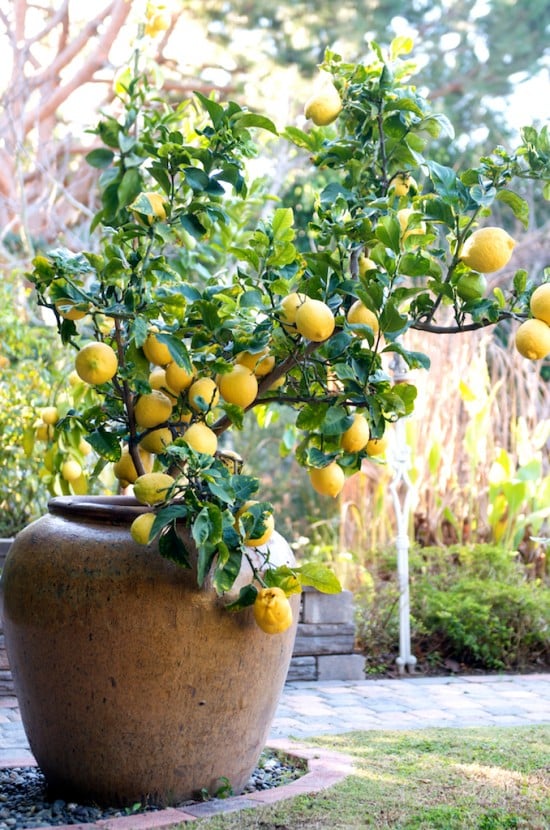
Growing Lemons in Containers: A Comprehensive Guide
Are you looking to grow lemons in containers on your balcony or patio? With the right care and attention, you can enjoy fresh lemons all year round. In this article, we’ll cover everything you need to know about growing lemons in containers, from choosing the right variety to troubleshooting common issues.
Why Grow Lemons in Containers?
Growing lemons in containers offers several benefits, including:
- Fresh lemons at your fingertips
- Space-saving solution for small gardens or balconies
- Ability to control soil quality and nutrients
- Reduced risk of pests and diseases
However, growing lemons in containers also presents some challenges. In this article, we’ll cover the best practices for caring for your lemon tree and troubleshoot common issues.
Choosing the Right Variety
Not all lemon varieties are suitable for container growing. Look for dwarf or semi-dwarf varieties that are specifically bred for container cultivation. Some popular varieties include:
- ‘Dwarf Washington’
- ‘Dwarf Meyer’
- ‘Satsuma’
When selecting a variety, consider factors such as climate, soil quality, and desired fruit size.
Preparing the Container
Before planting your lemon tree, make sure the container is ready. Here are some tips for preparing the perfect container:
- Choose a container that is at least 30 cm deep to accommodate the root system
- Use a well-draining potting mix specifically designed for citrus trees
- Add a layer of perlite or sand to improve drainage
Planting Your Lemon Tree
To plant your lemon tree, follow these steps:
- Select a healthy, disease-free tree
- Plant the tree in the prepared container, making sure the graft union is above the soil level
- Water thoroughly and provide adequate sunlight
Caring for Your Lemon Tree
Proper care is essential for keeping your lemon tree healthy and productive. Here are some tips:
- Watering: Water your lemon tree regularly, but avoid overwatering. Aim for about 1 inch of water per week.
- Fertilization: Fertilize your lemon tree with a citrus-specific fertilizer at least once a month.
- Pruning: Prune your lemon tree annually to maintain shape and promote fruiting.
Common Issues and Solutions
Growing lemons in containers can present some common issues, such as:
- Clorosi Ferrica: A nutrient deficiency that causes yellowing leaves. Solution: Irrigate with rainwater or a citrus-specific fertilizer.
- Overwatering: Root rot caused by excess moisture. Solution: Reduce watering frequency and improve drainage.
Pests and Diseases
Lemons are susceptible to pests and diseases, including:
- Aphids: Small, soft-bodied insects that feed on sap. Control with neem oil or insecticidal soap.
- Mealybugs: Small, white insects that feed on sap. Control with neem oil or insecticidal soap.
- Root rot: A fungal disease caused by excess moisture. Solution: Improve drainage and reduce watering frequency.
Common Problems and Solutions
Here are some common problems you may encounter when growing lemons in containers:
- Leaf drop: Excessive shedding of leaves due to overwatering or underwatering. Solution: Adjust your watering schedule.
- Brown tips: Brown tips on the leaves, often caused by under-watering. Solution: Increase watering frequency.
- Slow growth: Slow growth rates, often caused by inadequate light. Solution: Provide additional light through grow lights.
Conclusion
Growing lemons in containers can be a rewarding experience, but it requires proper care and attention. By following these tips and troubleshooting common issues, you can enjoy fresh lemons all year round.
Frequently Asked Questions (FAQs)
- How often should I water my lemon tree?
Aim for about 1 inch of water per week. - What is the best fertilizer for my lemon tree?
Citrus-specific fertilizers are ideal, but you can also use a balanced fertilizer with a ratio of 10-10-10. - How do I prune my lemon tree?
Prune your lemon tree annually to maintain shape and promote fruiting. Remove any dead or damaged branches. - What is clorosi ferrica, and how can I treat it?
Clorosi ferrica is a nutrient deficiency that causes yellowing leaves. Solution: Irrigate with rainwater or a citrus-specific fertilizer. - Can I grow lemons in shady areas?
Lemons require full sun to produce fruit. If you can’t provide direct sunlight, consider using grow lights. - How long does it take for my lemon tree to produce fruit?
It can take 2-3 years for your lemon tree to produce fruit, depending on factors such as climate and soil quality.
Additional Resources
- National Gardening Association: Lemon Tree Care
- California Citrus Research Board: Growing Lemons in Containers
We hope this comprehensive guide has helped you grow lemons with success. If you have any further questions or need additional assistance, feel free to ask!
Advanced Tips for Container Grown Lemon Trees
For those looking to take their container grown lemon tree to the next level:
- Repotting: Repot your lemon tree every 2-3 years in the spring, using a slightly larger pot and fresh potting mix.
- Pruning techniques: Practice pruning techniques such as tip-pruning and top-pruning to promote fruiting and maintain shape.
- Propagation: Try propagating lemons by taking cuttings from the tree’s current year growth.
Common Myths About Growing Lemons in Containers
Some common myths about growing lemons in containers include:
- Myth: “Lemons need full sun.”
Reality: While lemons require full sun, they can tolerate partial shade. - Myth: “Lemons are too cold for container growing.”
Reality: Some lemon varieties can thrive in cooler temperatures, but most prefer warmer climates.
Tips for Growing Lemons in Small Spaces
Growing lemons in small spaces is not impossible! Here are some tips:
- Use a dwarf variety: Choose a dwarf or semi-dwarf variety that is specifically bred for container cultivation.
- Prune regularly: Prune your lemon tree regularly to maintain shape and promote fruiting.
- Provide adequate light: Provide adequate light through grow lights or by placing the container in a sunny location.
Growing Lemons Indoors
Growing lemons indoors can be a fun and rewarding experience! Here are some tips:
- Choose a variety: Choose a dwarf or semi-dwarf variety that is specifically bred for indoor cultivation.
- Provide adequate light: Provide adequate light through grow lights or by placing the container in a sunny location.
- Maintain temperature: Maintain a consistent temperature between 60-70°F (15-21°C) to promote fruiting.
We hope this comprehensive guide has provided you with everything you need to know about growing lemons in containers. If you have any further questions or need additional assistance, feel free to ask!


