
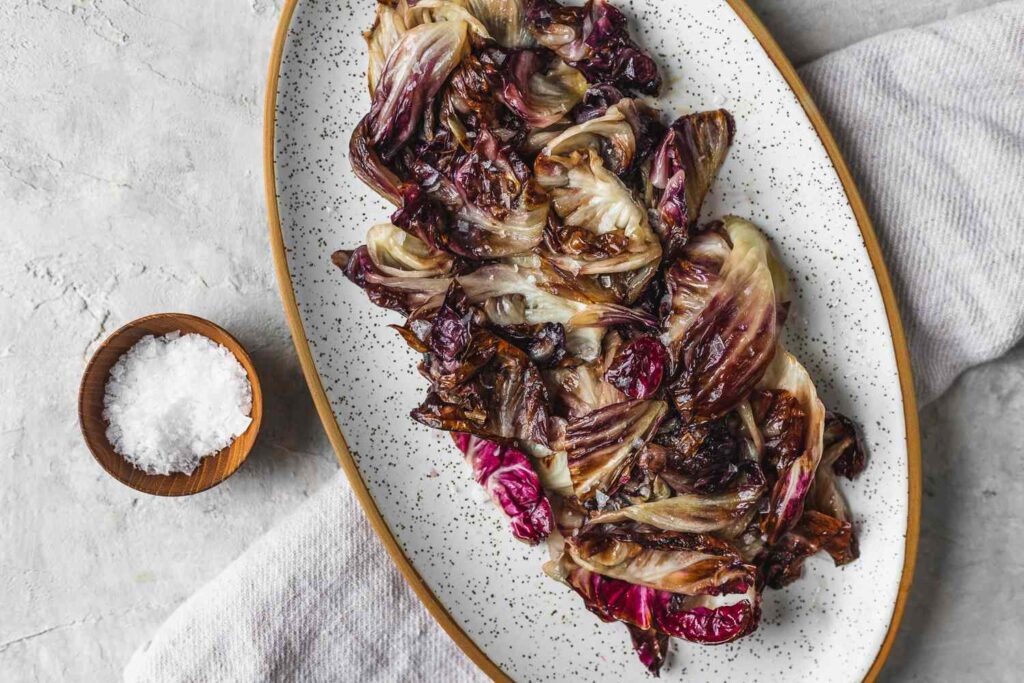
As a chef, you know that the key to creating a truly exceptional dish is to start with high-quality ingredients. And when it comes to radicchio, there’s no shortage of varieties to choose from. In this article, we’ll explore the world of cooking radicchio, from simple and speedy recipes to more complex and sophisticated dishes.
The Importance of Choosing the Right Radicchio
When it comes to choosing the right radicchio for your dish, it all starts with selecting the right variety. There are several types of radicchio, each with its own unique characteristics and flavor profile. Some popular varieties include:
- Radicchio Trevigiano: This Italian variety is known for its sweet and slightly bitter flavor, making it a great choice for salads and sautéed dishes.
- Radicchio Variegato di Chioggia: With its distinctive white and red stripes, this variety adds a pop of color to any dish. Its mild flavor makes it perfect for cooking methods like roasting or grilling.
Cooking Radicchio 101: Simple Recipes
When it comes to cooking radicchio, the key is to bring out its natural sweetness without overpowering it. Here are some simple recipes to get you started:
- Radicchio in Padella: This classic Italian recipe involves sautéing radicchio with garlic and olive oil until tender. It’s a great way to add flavor to pasta dishes, salads, or as a side dish.
- Frittata di Radicchio e Patate: This breakfast favorite is made by adding radicchio and potatoes to a frittata filled with eggs, cheese, and herbs.
Cooking Radicchio 101: More Complex Recipes
As you become more confident in your cooking abilities, it’s time to take radicchio to the next level. Here are some more complex recipes to try:
- Rustico al Radicchio, Speck e Brie: This savory tart involves layering radicchio, speck, and brie cheese in a flaky pastry crust. It’s perfect for serving as an appetizer or main course.
- Risotto al Radicchio Rosso: This classic Venetian dish is made by sautéing onions, garlic, and carrots before adding Arborio rice and radicchio. The result is a rich and flavorful risotto that’s sure to impress.
Tips for Cooking with Radicchio
When it comes to cooking with radicchio, there are a few things to keep in mind:
- Use fresh radicchio: Choose radicchio that’s firm and has no signs of wilting. Avoid using wilted or old radicchio, as it can add bitterness to your dish.
- Don’t overcook: Radicchio cooks quickly, so be careful not to overcook it. Aim for a tender but still crisp texture.
- Experiment with different varieties: Try out different types of radicchio to find the one that works best for you.
FAQs
Here are some frequently asked questions about cooking radicchio:
- What is the difference between radicchio and kale?
Radicchio and kale are both leafy greens, but they have distinct flavor profiles and textures. - How do I store radicchio to keep it fresh?
Store radicchio in the refrigerator and use within a week of purchase. - Can I substitute radicchio with other greens?
While you can substitute other greens for radicchio, keep in mind that they may change the flavor profile of your dish. - How do I cook radicchio without losing its texture?
To avoid losing texture when cooking radicchio, try sautéing it quickly over high heat or roasting it at a low temperature. - What are some popular recipes featuring radicchio?
Radicchio is a versatile ingredient that can be used in a variety of dishes, from salads and soups to pasta sauces and risottos.
Advanced Techniques for Cooking with Radicchio
For those looking to take their cooking skills to the next level, here are some advanced techniques to try:
- Sous vide: Sous vide is a cooking method that involves sealing food in a bag and cooking it in water. It’s perfect for cooking radicchio without losing its texture.
- Foie gras: Foie gras is a luxurious ingredient that pairs perfectly with radicchio. Try making a foie gras terrine with radicchio and truffles for a decadent appetizer.
- Smoking: Smoking is a great way to add depth and complexity to your dishes. Try smoking radicchio over low heat for hours to bring out its natural sweetness.
Conclusion
Cooking with radicchio requires attention to detail, creativity, and practice. With these simple recipes and tips, you’ll be well on your way to becoming a radicchio master chef! Don’t be afraid to experiment and try new things – the world of cooking is full of possibilities, and radicchio is just the beginning.
Recipe Guide
Here are some recipes that showcase the versatility of radicchio:
- Radicchio Salad with Lemon Vinaigrette: A simple salad featuring roasted radicchio, lemon juice, olive oil, salt, and pepper.
- Radicchio Risotto: A creamy risotto made with Arborio rice, radicchio, Parmesan cheese, and white wine.
- Roasted Radicchio with Garlic and Olive Oil: A simple side dish featuring roasted radicchio tossed in garlic, olive oil, salt, and pepper.
Troubleshooting Common Issues
Here are some common issues that may arise when cooking with radicchio:
- Wilted radicchio: If your radicchio is wilted or brown around the edges, it’s likely due to overcooking. Try sautéing it quickly over high heat or roasting it at a low temperature.
- Lack of flavor: If your dish lacks flavor, try adding more garlic, herbs, or spices to balance out the taste.
- Bitterness: If your radicchio tastes bitter, try using fresher leaves or adjusting the cooking method.
Conclusion
Cooking with radicchio is a journey that requires patience, practice, and creativity. With these simple recipes and tips, you’ll be well on your way to becoming a radicchio master chef! Don’t be afraid to experiment and try new things – the world of cooking is full of possibilities, and radicchio is just the beginning.


