
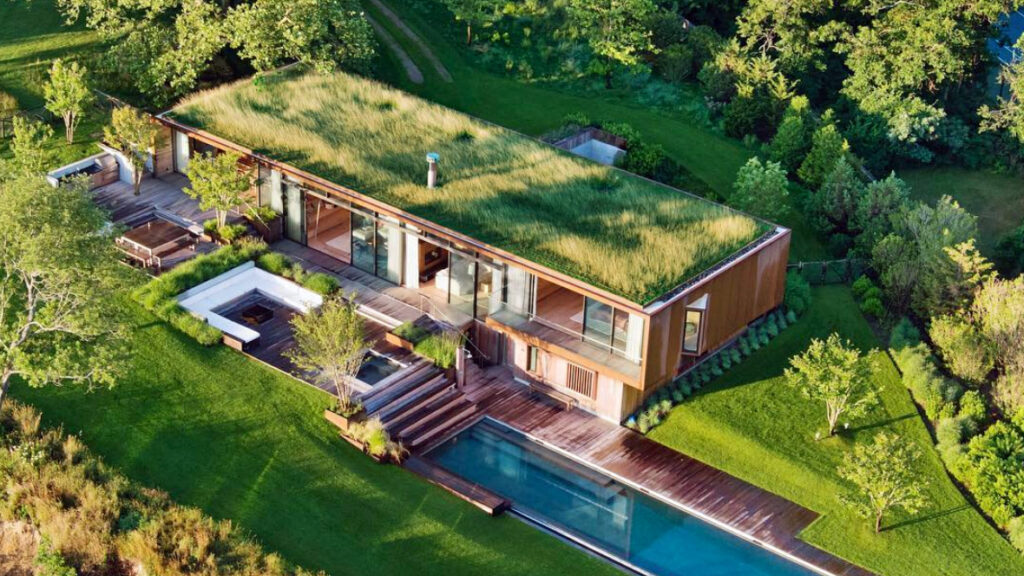
Creating an Eco-Friendly Home: A Sustainable Lifestyle Choice
Introduction
Having an eco-friendly home is a dream shared by many! Who wouldn’t want to live in a house powered by solar panels, free from drafts, and completely passive? While creating an eco-friendly home can be a daunting task, there are many solutions that don’t require significant changes to the existing structure. These small adjustments can significantly impact your home’s visibility, interior design, daily habits, and overall lifestyle.
Key Factors to Consider
When evaluating an eco-friendly home, several factors come into play:
- The Interior: Sustainable Furniture Choices
When selecting any piece of furniture, it’s essential to check the certification and origin of the wood. FSC-certified (Forest Stewardship Council) woods come from sustainably managed forests, where intensive exploitation of nature and workers is avoided.
Alternatively, consider repurposing or upcycling existing furniture from thrift stores like Mercatopoli, which offer affordable options for high-quality pieces that can be restored or repurposed. This approach reduces waste and decreases the environmental impact of your home.
- Energy Efficiency: Minimizing Waste and Consuming Less
In eco-friendly homes, there’s no waste of water, energy, or heat. Be mindful of your daily habits when opening doors and windows, taking showers, or washing vegetables to prevent wasting precious resources.
- Renewable Heating Sources
Instead of relying on fossil fuels like methane or gasoline for heating, opt for renewable sources that promote sustainability.
- Daily Consumption: Mindful Habits for a Greener Lifestyle
A home can be considered eco-friendly if its occupants adopt mindful habits and minimize their consumption. This includes:
- Reducing food waste by using up all ingredients
- Choosing environmentally friendly transportation options or conserving fuel
- Implementing recycling practices throughout the household
- Using reusable products for daily use
- Creating compost from organic waste
By embracing these eco-friendly habits, you can significantly reduce your environmental footprint and enjoy a healthier lifestyle.
The Benefits of an Eco-Friendly Home
Creating an eco-friendly home comes with numerous benefits:
- Reduced energy consumption and lower utility bills
- Lower greenhouse gas emissions and less air pollution
- Improved indoor air quality and reduced allergy symptoms
- Enhanced overall well-being and mental health
Conclusion: Taking the First Step Towards a Sustainable Lifestyle
Creating an eco-friendly home is a rewarding journey that benefits both you and the environment. By making conscious choices about your furniture, energy consumption, and daily habits, you can significantly reduce your environmental impact.
Take the first step today and start exploring sustainable living options for your home. Your future self (and the planet) will thank you!
Frequently Asked Questions
- How do I get started with creating an eco-friendly home?
Create a clear vision of what sustainability means to you, research local resources and suppliers, and begin implementing small changes that align with your values.
- What is the most effective way to reduce energy consumption in my home?
Conduct an energy audit to identify areas for improvement, upgrade to energy-efficient appliances, and optimize insulation to minimize heat loss.
- How can I incorporate renewable heating sources into my home?
Explore options like solar thermal systems or biomass boilers, which offer efficient and environmentally friendly alternatives to traditional fossil fuel-based heating solutions.
- What are some eco-friendly ways to dispose of waste in my home?
Implement a recycling program, compost food waste, and reduce paper usage by switching to digital documents.
- How can I minimize water consumption in my daily life?
Take shorter showers, fix leaks promptly, and install low-flow fixtures to conserve this precious resource.
- What role does indoor air quality play in creating an eco-friendly home?
Use natural ventilation, remove chemicals from cleaning products, and maintain proper humidity levels to promote healthy indoor air quality.
- Can I still afford to live in an eco-friendly home on a budget?
Yes, many eco-friendly options are budget-friendly. Research local resources, prioritize needs over wants, and explore cost-effective sustainable solutions.
- How do I ensure my eco-friendly habits stick even after the initial excitement wears off?
Create a routine that incorporates sustainability into your daily life, track progress, and make adjustments as needed to maintain momentum.
- What are some eco-friendly alternatives to traditional building materials?
Consider using recycled materials, reclaimed wood, or low-carbon cement for your home’s construction.


