
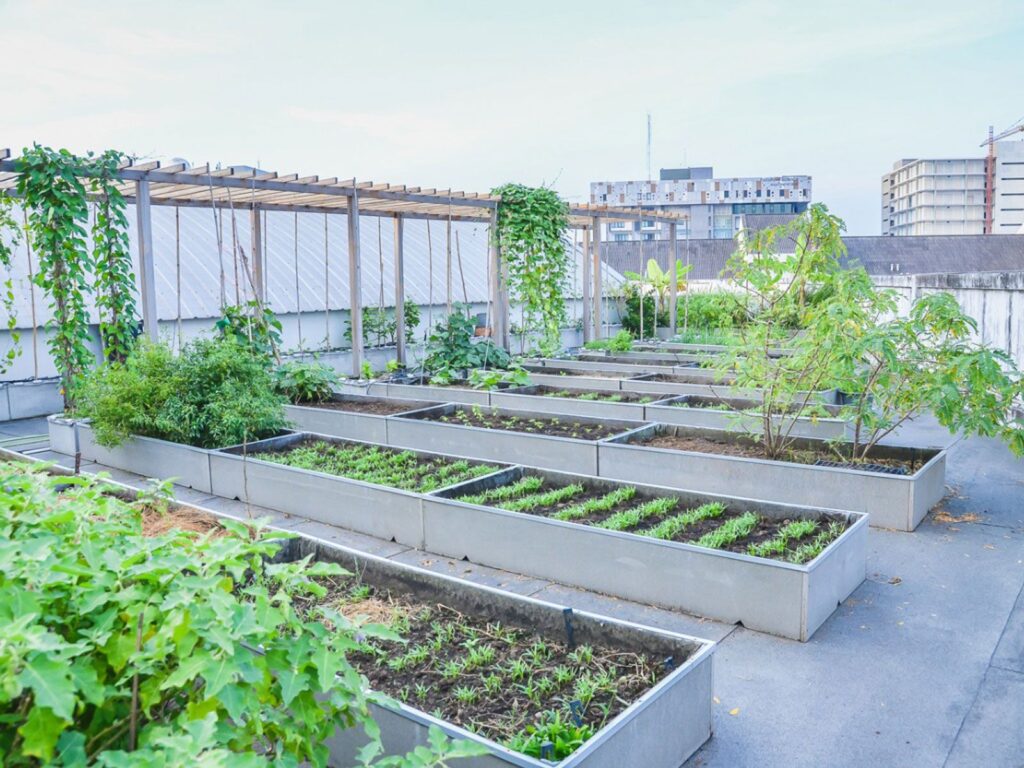
As any gardening enthusiast knows, having a garden is not the only way to cultivate plants. With a little creativity and planning, you can turn your balcony or terrace into a thriving oasis. In this article, we’ll explore the ins and outs of growing plants in a small outdoor space, providing you with the tips and advice you need to succeed.
Choosing the Right Plants
Before you start planting, it’s essential to consider the climate and exposure of your balcony or terrace. Are you looking for plants that can tolerate full sun, partial shade, or even low light conditions? Some plants, like roses and camellias, prefer full sun, while others, like ferns and impatiens, thrive in shadier spots.
When selecting plants, consider factors such as:
- Climate: Choose plants that are well-suited to your region’s temperature, humidity, and precipitation levels.
- Sunlight: Consider the amount of direct sunlight your balcony or terrace receives. If it’s full sun, choose plants that can tolerate high temperatures and intense light. If it’s partial shade, choose plants that prefer filtered or indirect sunlight.
- Soil: Choose plants that are adapted to your soil type. For example, if you have acidic soil, choose plants like azaleas and rhododendrons that thrive in acidic conditions.
- Maintenance: Consider the level of maintenance required for each plant. Some plants require regular pruning, while others may need more frequent watering or fertilization.
Planting Options
If you’re looking to create a more dramatic look, consider using vining plants like ivy or clematis. These can be trained to climb up walls, trellises, or arbors, creating a beautiful display of color and texture. Alternatively, choose compact varieties of herbs like basil, rosemary, or thyme that are perfect for small spaces.
Some popular options for balcony gardening include:
- Succulents: These low-maintenance plants come in a variety of shapes, sizes, and colors. They’re perfect for small spaces and can thrive with infrequent watering.
- Herbs: Many herbs can be grown on a balcony or terrace, including basil, rosemary, thyme, and parsley.
- Vegetables: Cherry tomatoes, leaf lettuce, radishes, and other vegetables can be grown in small spaces using containers or vertical gardens.
- Flowers: Impatiens, begonias, petunias, and other flowers can add color and beauty to your balcony or terrace.
Creating a Mini-Garden
For a more traditional gardening experience, consider creating a mini-garden in your balcony or terrace. This can be as simple as arranging a few pots on a shelf or as elaborate as building a raised bed using wooden planks or stone.
When choosing plants for your mini-garden, select varieties that are compact, slow-growing, and disease-resistant. Some popular choices include:
- Cherry tomatoes
- Leaf lettuce
- Radishes
- Herbs like basil and parsley
- Succulents and cacti
Planting in Pots
If you don’t have the space to create a full-fledged garden, consider using pots to grow your plants. Choose containers with good drainage holes to prevent waterlogged soil. Use a high-quality potting mix that’s designed for indoor or outdoor use.
When planting in pots, be sure to choose varieties that are compact and can thrive in small spaces. Some popular choices include:
- Succulents
- Cacti
- Herbs like thyme and rosemary
Tips for Success
To ensure the success of your plants, follow these tips:
- Choose the right location: Consider the climate, sunlight, and soil conditions when selecting a location for your balcony or terrace garden.
- Use high-quality containers: Choose containers with good drainage holes to prevent waterlogged soil. Use a high-quality potting mix that’s designed for indoor or outdoor use.
- Water wisely: Water plants regularly, but avoid overwatering. Check the soil moisture by inserting your finger into the soil up to the first knuckle. If the soil feels dry, it’s time to water.
- Fertilize regularly: Fertilize plants regularly to promote healthy growth. Follow the instructions on the fertilizer package for recommended application rates.
- Prune regularly: Prune plants regularly to maintain shape and encourage new growth. Remove dead or damaged leaves, stems, or flowers to promote healthy growth.
- Protect from extreme temperatures: Use shade cloth, row covers, or other forms of protection to shield your plants from extreme temperatures.
- Keep pests at bay: Use organic pest control methods whenever possible. Consider using neem oil, garlic spray, or other natural deterrents to keep pests away.
Common Challenges and Solutions
- Pests: Check for pests like aphids, whiteflies, and spider mites by inspecting your plants regularly. Use organic pest control methods whenever possible.
- Diseases: Inspect your plants regularly for signs of disease like yellowing leaves or black spots. Treat fungal diseases with fungicides, while bacterial diseases can be treated with bactericides.
- Overwatering: Check the soil moisture by inserting your finger into the soil up to the first knuckle. If the soil feels dry, it’s time to water.
Conclusion
Growing plants in a balcony or terrace is easier than you think. With the right choices of plants, pots, and care, you can create a thriving oasis that brings joy and beauty to your outdoor space. Whether you’re looking for a mini-garden or just a few potted plants, with these tips and advice, you’ll be well on your way to success.
Frequently Asked Questions
- Q: What is the best way to water my plants in a balcony or terrace?
A: Water plants regularly, but avoid overwatering. Check the soil moisture by inserting your finger into the soil up to the first knuckle. If the soil feels dry, it’s time to water. - Q: How often should I fertilize my plants?
A: Fertilize plants regularly to promote healthy growth. Follow the instructions on the fertilizer package for recommended application rates. - Q: Can I grow vegetables in a balcony or terrace?
A: Yes! Many varieties of vegetables can be grown in small spaces, including cherry tomatoes, leaf lettuce, and herbs like basil and parsley. - Q: What is the best type of container for growing plants in a balcony or terrace?
A: Choose containers with good drainage holes to prevent waterlogged soil. Consider using high-quality potting mix that’s designed for indoor or outdoor use. - Q: How often should I prune my plants?
A: Prune plants regularly to maintain shape and encourage new growth. Remove dead or damaged leaves, stems, or flowers to promote healthy growth.
By following these tips and advice, you’ll be well on your way to creating a thriving oasis in your balcony or terrace. Happy gardening!


