
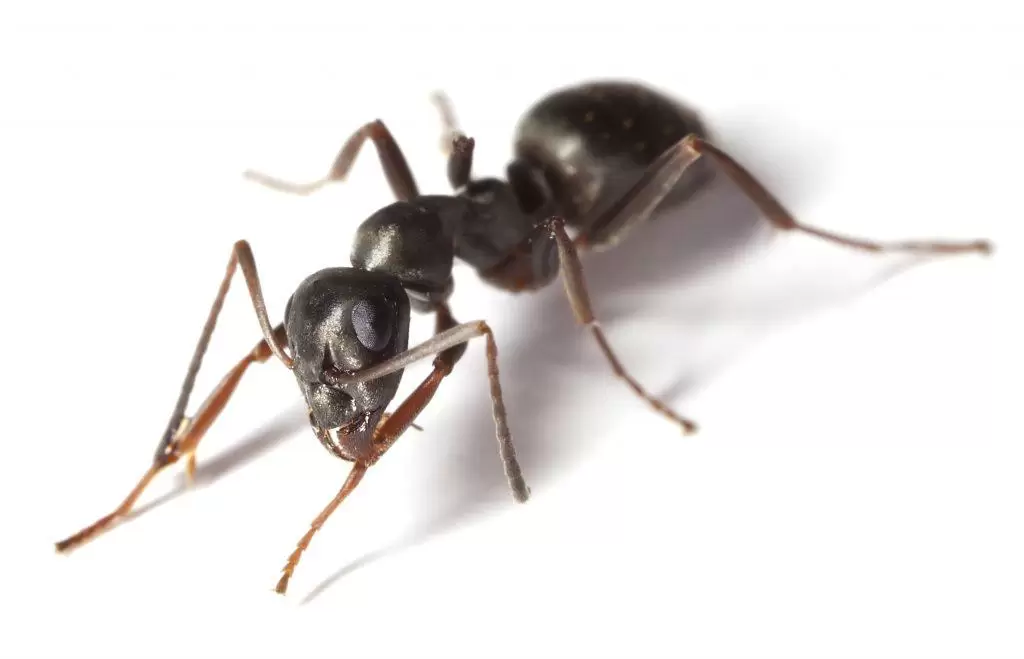
Understanding the Life Cycle of Ants
Introduction
If you’ve ever noticed a trail of ants in your kitchen or garden, you may have wondered how long they live and what their life cycle is like. In this article, we’ll delve into the world of ants and explore their fascinating social structure, lifespan, and habits.
Are All Ants the Same?
Ants are highly social creatures that live in colonies, with different castes performing specific roles. But how long do individual ants live? The answer is not straightforward, as it depends on various factors such as species, age, and lifestyle.
The Life Cycle of Ants
Every ant goes through several stages of development before reaching adulthood:
- Egg stage: Ant eggs are laid by the queen ant and can hatch into different types of ants depending on their sex.
- Larval stage: The larva is fed and cared for by worker ants, which eventually become new queens or males.
- Pupal stage: The pupa is a resting stage where the young ant develops its adult form.
- Adult stage: Adult ants can be workers, soldiers, or queens, each with unique roles within the colony.
How Long Do Ants Live?
Ant lifespan varies significantly depending on their role in the colony:
- Worker ants: Typically live for 1-3 years, although some may live up to 5 years.
- Soldier ants: Usually live for only a few months due to their physical demands and high mortality rate.
- Queen ants: Can live for several decades, with some queens reportedly living up to 10-15 years.
Why Are Ants in My House?
Ants are attracted to food sources and can enter homes through cracks or crevices:
- Food search: Ants use chemical trails to locate food sources, which they then report back to the colony.
- Nesting sites: Ants often nest in warm, moist areas like kitchens, bathrooms, or gardens.
Controlling Ant Infestations
To effectively control ant infestations, it’s essential to:
- Identify the species: Consult with a pest control professional to determine the type of ant and develop an effective treatment plan.
- Seal entry points: Caulk cracks and crevices around your home to prevent ants from entering.
- Eliminate food sources: Keep your home clean, store food properly, and eliminate standing water to reduce the attractiveness of your space.
Conclusion
Ants are complex social insects with fascinating life cycles and habits. By understanding their biology and behavior, you can better manage ant infestations and protect your home from these unwanted guests.
Frequently Asked Questions
- How long do ants live?
- Worker ants: 1-3 years
- Soldier ants: a few months
- Queen ants: several decades (up to 15 years)
- Why are there ants in my house?
- Food search: Attractants like sugar, grease, or protein-rich foods draw ants into your home.
- Nesting sites: Warm, moist areas like kitchens, bathrooms, or gardens provide ideal conditions for ant colonies to establish themselves.
- What is the best way to control ants?
- Identify species: Work with a pest control professional to determine the type of ant and develop an effective treatment plan.
- Seal entry points: Caulk cracks and crevices around your home to prevent ants from entering.
- Eliminate food sources: Keep your home clean, store food properly, and eliminate standing water to reduce the attractiveness of your space.
- Can I get rid of ants with DIY methods?
- While some DIY methods may provide temporary relief, they often don’t address the underlying issue or guarantee long-term results. For effective ant control, consider consulting a pest control professional.
- How can I prevent future ant infestations?
- Regularly inspect your home for signs of ants and address any issues promptly.
- Keep your yard clean, removing debris and standing water that may attract ants.
- Consider applying natural or chemical deterrents around entry points to discourage ants from entering your home.
Additional Resources


