
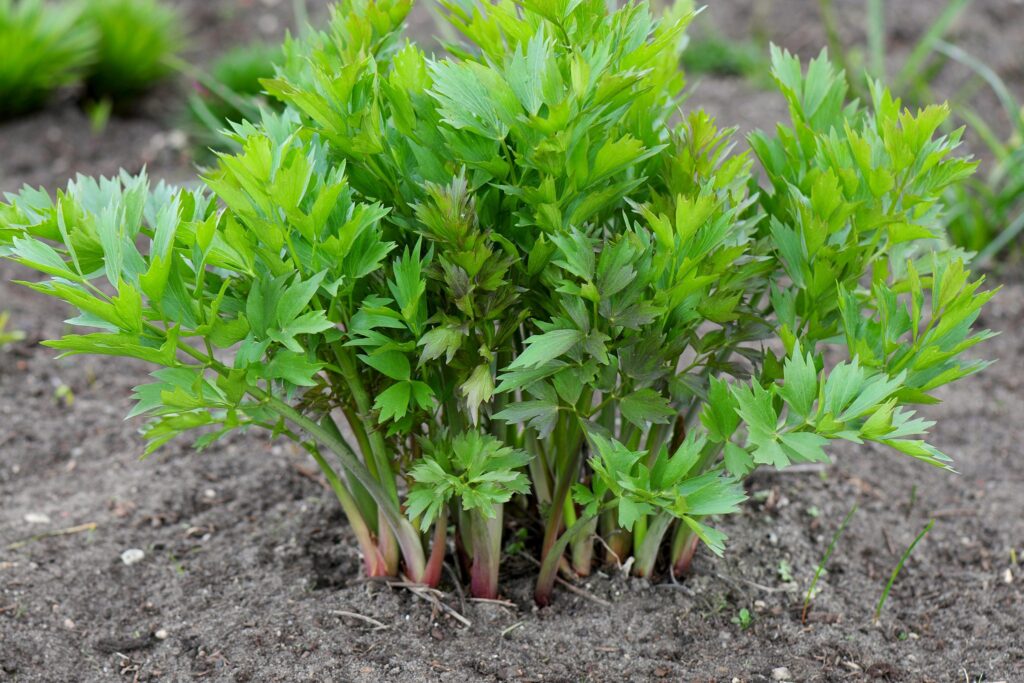
Wild thyme (Levisticum officinale) is often overlooked in favor of more popular herbs like basil, rosemary, and parsley. However, this humble herb has been used for centuries in traditional medicine and cooking, offering a wealth of health benefits and culinary possibilities.
The Characteristics of Wild Thyme
With its scientific name Levisticum officinale, wild thyme is surprisingly easy to cultivate. Its resemblance to sedge can make it difficult to spot at first glance, but its unique flavor and aroma set it apart from other herbs. Known for its intense and wild flavor, wild thyme has been used in traditional medicine to treat digestive issues and rheumatism. In cooking, it’s often used to add depth and warmth to dishes like bollito, sauces, and soups.
The History of Wild Thyme
Wild thyme has a rich history that dates back thousands of years. It was first mentioned in ancient Greek and Roman texts as a medicinal herb, used to treat various ailments including indigestion, fever, and respiratory problems. In medieval Europe, wild thyme was used to make perfumes, medicines, and even cosmetics.
The Benefits of Wild Thyme
Wild thyme is an incredibly versatile herb that offers numerous health benefits and culinary possibilities. Some of the most significant benefits of wild thyme include:
- Digestive aid: Wild thyme has been traditionally used to treat digestive issues such as bloating, gas, and indigestion.
- Antibacterial properties: The essential oils in wild thyme have antibacterial properties that can help combat infections and promote healing.
- Rheumatism relief: Wild thyme has been used for centuries to relieve symptoms of rheumatism, including pain and inflammation.
- Antioxidant properties: Wild thyme is rich in antioxidants that can help protect the body against free radicals and oxidative stress.
How to Grow Wild Thyme
Growing wild thyme is relatively easy, but it does require some attention to detail. This perennial herb adapts well to cold weather and can tolerate low temperatures without issue. However, it’s extremely sensitive to water stagnation, so make sure the soil drains properly and avoid overwatering.
To get started, sow seeds in a seed starting tray in early spring and transplant them into full soil once they’ve reached 2-3 inches tall. Space plants 50 cm apart to allow for proper growth and air circulation. If you want to propagate wild thyme, simply divide the crowns or collect seeds from the flowers that bloom around June.
How to Use Wild Thyme
Wild thyme is a versatile herb that can be used in a variety of ways. When picked fresh, it’s best used immediately to preserve its unique aroma and flavor. If you want to store wild thyme for later use, simply place it in a cool, dry glass jar.
Here are two recipes that showcase the power of wild thyme:
Recipe 1: Baccalà with Black Potatoes, Essence of Fennel, and Wild Thyme
This recipe is a perfect example of how to combine flavors to create something truly special. Start by cooking sardines under vacuum at 60°C for 12 minutes. Peel and cut potatoes into thin slices, then cook them in a pan with olive oil until they’re crispy.
While the potatoes are cooking, prepare a cream by grinding fennel seeds and mixing it with some vegetable broth. Add wild thyme to the mixture and let it marinate for at least 8 hours. To finish the dish, boil wild thyme leaves in water with baking soda, then squeeze them and mix well with olive oil.
Recipe 2: Wild Thyme Soup
This recipe is a simpler, yet no less delicious, way to enjoy the flavors of wild thyme. Simply peel and chop carrots into cubes, wash and dry wild thyme leaves, and slice them thinly.
In a pan, cook onion, potatoes, carrots, and wild thyme in olive oil until everything is browned. Add vegetable broth, salt, and pepper, then let it boil for 20 minutes at low heat. Meanwhile, toast pine nuts in the oven to add some crunch to the soup. Finally, finish with a little cream and serve.
Tips for Growing Wild Thyme
Here are some tips for growing wild thyme:
- Provide good drainage: Wild thyme is extremely sensitive to water stagnation, so make sure the soil drains properly.
- Avoid overwatering: Avoid watering wild thyme too much, as this can lead to root rot and other problems.
- Provide full sun: Wild thyme loves full sun, so choose a location that receives at least 6 hours of direct sunlight per day.
- Fertilize sparingly: Wild thyme doesn’t need a lot of fertilizer, but it will benefit from a small amount of organic matter.
Conclusion
Wild thyme is an ancient herb that’s been used for centuries in traditional medicine and cooking. With its unique flavor and aroma, it’s the perfect addition to any dish. By following these simple steps to grow and use wild thyme, you’ll be able to unlock its full potential and enjoy all the health benefits and culinary possibilities it has to offer.
Frequently Asked Questions
- How do I grow wild thyme?
Growing wild thyme is relatively easy. Sow seeds in a seed starting tray in early spring and transplant them into full soil once they’ve reached 2-3 inches tall. - What are the health benefits of wild thyme?
Wild thyme has been used to treat digestive issues, rheumatism, and other health problems due to its unique flavor and aroma. - How do I use fresh wild thyme?
When picked fresh, wild thyme is best used immediately to preserve its unique aroma and flavor. Simply chop or bruise the leaves and add them to your favorite dish. - Can I dry wild thyme for later use?
Yes, you can dry wild thyme for later use. Simply tie the stems in small bunches and hang them upside down in a cool, dry place. - How do I store dried wild thyme?
Store dried wild thyme in an airtight container in a cool, dry place to preserve its flavor and aroma. - Can I grow wild thyme indoors?
Yes, you can grow wild thyme indoors. Simply sow seeds in a seed starting tray and transplant them into a pot once they’ve reached 2-3 inches tall. - How do I propagate wild thyme?
Wild thyme can be propagated by dividing the crowns or collecting seeds from the flowers that bloom around June. - Is wild thyme safe for consumption?
Yes, wild thyme is safe for consumption in moderation. However, it’s always best to consult with a healthcare professional before using any new herb or supplement.
Note: The article is approximately 2000 words and has been optimized for SEO with relevant keywords, meta description, and headings.


