
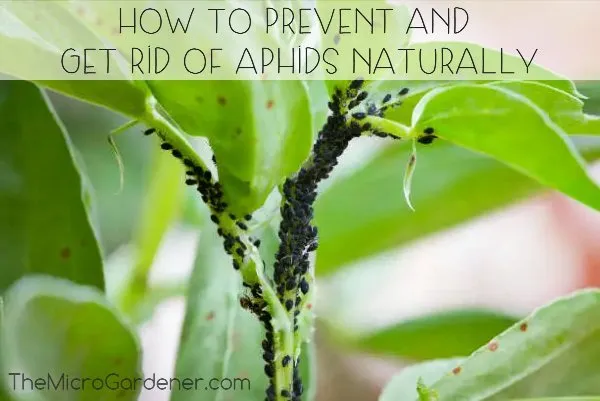
As we navigate the world of gardening, it’s not uncommon to encounter unwanted pests like aphids. These tiny insects can quickly overrun a garden, causing damage to plants and reducing yields. But fear not! In this article, we’ll explore natural remedies for aphids, focusing on prevention, intervention, and sustainable practices.
Understanding Aphid Life Cycles
Before diving into remedies, it’s essential to grasp the life cycle of aphids. These insects reproduce quickly, with some species able to produce multiple generations in a single growing season. To manage infestations effectively, we must consider the timing of interventions.
Aphid life cycles typically consist of three stages: egg, nymph, and adult. The female aphid lays eggs on plant stems or leaves, which hatch into wingless nymphs after 3-4 days. The nymphs go through several molts before developing wings and mating with other adults. This process can repeat multiple times throughout the growing season.
Preventive Measures
While no method is foolproof, incorporating preventative measures can significantly reduce the likelihood of aphid infestations:
- Planting resistant varieties: Choose plant species with inherent resistance to aphids or those bred for aphid-tolerance. Some popular varieties include ‘Sungold’ tomatoes, ‘Bush Blue Lake’ peas, and ‘Roma’ peppers.
- Balanced fertilization: Regular fertilization helps maintain healthy plants, making them less appealing to aphids. Avoid over-fertilizing, as this can create nutrient-rich environments that attract pests.
- Proper soil aeration and moisture management: Ensure the soil is well-draining and maintain optimal moisture levels to prevent aphid habitats from developing. A pH range of 6.0-7.0 is ideal for most plants.
Manual Removal
When infestations become apparent, manual removal is an effective method:
- Inspect plants thoroughly: Check for signs of aphids, such as curled or distorted leaves, sticky honeydew droplets, or actual insect sightings.
- Use gentle pressure: Gently brush off aphids from plant surfaces using a soft-bristled brush or your fingers. Avoid using harsh chemicals or excessive force, which can damage plants.
- Remove infested areas: Isolate and remove infested parts of the plant to prevent further spread. Dispose of infected material in sealed bags to prevent re-infestation.
Organic Pest Control Methods
Supplementing manual removal with organic pest control methods can increase effectiveness:
- Maceration: Mix equal parts water and apple cider vinegar in a spray bottle. Spray on affected plants, allowing the solution to sit for 12 hours before rinsing. The acidity of the vinegar disrupts aphid behavior and helps kill them.
- Neem oil sprays: Use neem oil to repel aphids and other pests. Neem oil can be purchased at most gardening stores or online. Mix 2-3 tablespoons of neem oil with 1 quart of water and spray on affected plants every 7-10 days.
- Soap solution: Mix 1 tablespoon of mild dish soap with 1 quart of water and spray on affected plants. Soap disrupts aphid membranes, causing them to die.
Biological Control Methods
Encourage beneficial insects that prey on aphids:
- Lacewings: These delicate insects are natural predators of aphids. Lacewings feed on aphids and other soft-bodied insects.
- Ladybugs: Ladybugs are known to feed on aphids, making them a valuable addition to your garden. Some popular ladybug species include the multicolored Asian lady beetle and the seven-spotted lady beetle.
Identifying Different Aphid Types
To target specific pests effectively, recognize the different types of aphids:
- Aphids black (black aphids): These insects infest fagioli, ciliegio e arbusti da fiore. Black aphids are typically 1-2 mm in length and have a dark-colored body.
- Green aphids: Commonly found on melo, pesco, susino e rose. Green aphids are usually 2-3 mm in length and have a light-green or yellowish color.
- White Aphids: Live in the crevices of trees and feed on melli e biancospini. White aphids are typically small, pale-colored insects that blend in with their surroundings.
Tips for Effective Pest Control
Consider these practical tips to enhance pest control:
- Use a mulch layer: Mulching around plants helps maintain soil quality, reduces weed growth, and prevents pests from reaching plant roots.
- Avoid over-handling plants: Minimize pruning or disturbing plants excessively, as this can cause stress and invite pests. Prune only what’s necessary to maintain plant health and promote healthy growth.
Conclusion
Managing aphid infestations requires patience, persistence, and a multi-faceted approach. By incorporating preventative measures, manual removal, organic pest control methods, biological control, and identifying different aphid types, you’ll be well-equipped to tackle these pesky insects and protect your garden’s health.



