
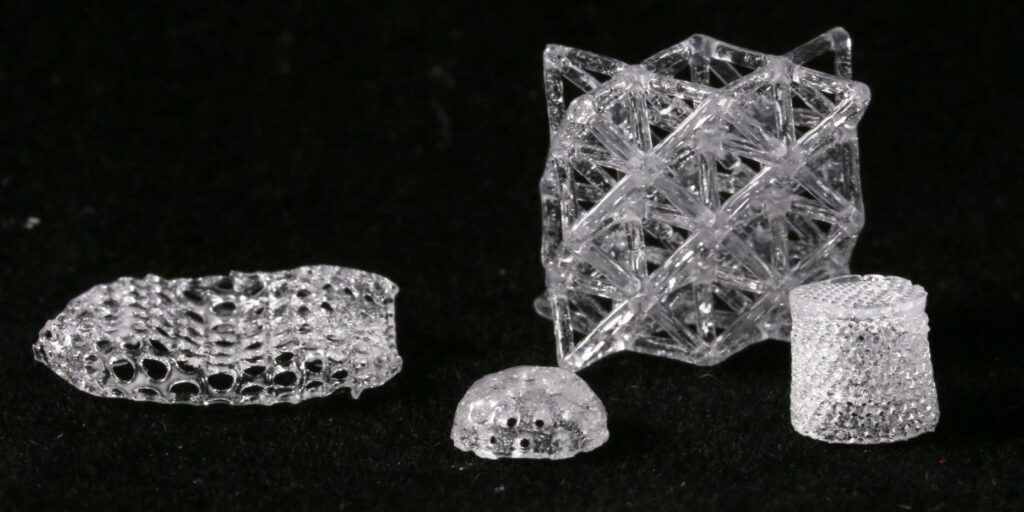
The field of solar-powered 3D printing has been gaining significant attention in recent years, and its potential to disrupt traditional industries is vast. One such industry that stands to benefit from this technology is the glass manufacturing sector. In this article, we will explore how solar-driven 3D printing can revolutionize glass production, particularly when it comes to creating high-quality glass components.
The Challenges of Glass Production
Glass production has been a labor-intensive and energy-intensive process for centuries. The traditional method involves heating sand (silicon dioxide) to extremely high temperatures until it melts and forms a molten glass. This process requires significant amounts of energy, which can lead to increased greenhouse gas emissions and higher production costs.
The challenges associated with glass production are numerous. Firstly, the process is energy-intensive, requiring massive amounts of electricity to melt and shape the glass. Secondly, traditional glass manufacturing methods result in high waste levels, including molten glass that must be carefully managed and disposed of. Finally, the process can be labor-intensive, particularly when it comes to manual handling of the glass components.
The Solution: Solar-Driven 3D Printing
Enter Markus Kayser, a German designer who has been working on a solar-powered 3D printing technology that can transform sand into glass. His innovative system, known as Sinter Solar, uses concentrated sunlight to heat the sand and melt it into a molten glass.
How Sinter Solar Works
Sinter Solar’s system consists of a specialized lens that captures solar energy and focuses it onto a powder bed within the 3D printing chamber. The lens is designed to be incredibly thin and lightweight, allowing it to rotate and follow the sun’s rays with minimal effort. As the sun heats up the sand, the mixture is melted and formed into a glass component.
The Sinter Solar system consists of several key components:
- Solar Lens: A specialized lens that captures solar energy and focuses it onto the powder bed.
- Powder Bed: A layer of powdered sand that is heated by the concentrated sunlight from the lens.
- Thermocouple: A temperature-sensing device that monitors the temperature of the powder bed and adjusts the lens’s focus accordingly.
- Heat Exchanger: A system that dissipates excess heat generated during the printing process.
The Benefits of Sinter Solar
So, what makes Sinter Solar so revolutionary? For starters, it eliminates the need for expensive energy sources, reducing greenhouse gas emissions and production costs. Additionally, the system can produce high-quality glass components with minimal waste and labor required.
Some of the key benefits of using Sinter Solar in glass production include:
- Reduced Energy Consumption: By harnessing solar energy, Sinter Solar reduces the need for non-renewable energy sources.
- Increased Efficiency: The system can print glass components up to 10 times faster than traditional methods.
- Minimal Waste: The powder bed is carefully managed and recycled to minimize waste.
- Improved Quality: The high-quality glass components produced by Sinter Solar have improved clarity, color, and strength.
A New Era in Glass Production
Kayser’s innovative technology has the potential to disrupt traditional glass manufacturing methods, making it more efficient, sustainable, and cost-effective. By embracing solar-driven 3D printing, glass manufacturers can:
- Reduce Energy Consumption: Harnessing solar energy reduces greenhouse gas emissions and production costs.
- Increase Production Efficiency: Printing glass components faster and with minimal waste increases productivity.
- Develop New Materials and Products: Sinter Solar enables the creation of unique materials and products with improved properties.
The Future of Glass Manufacturing
As the world continues to grapple with climate change and sustainability concerns, innovative technologies like Sinter Solar are poised to play a significant role in shaping the future of industries. By embracing solar-driven 3D printing, glass manufacturers can:
- Reduce Our Carbon Footprint: Harnessing renewable energy sources reduces greenhouse gas emissions.
- Improve Sustainability: Reducing waste and increasing efficiency promotes sustainability.
- Drive Innovation: Sinter Solar enables the creation of new materials and products with improved properties.
Conclusion
Sinter Solar’s innovative technology has the potential to revolutionize the glass manufacturing industry by harnessing the power of solar energy. With its ability to eliminate expensive energy sources, reduce waste, and promote sustainability, this technology is poised to change the game for industries that rely on glass production.
As we look to the future, it is clear that Sinter Solar will play a significant role in shaping the development of sustainable technologies. By embracing this innovative approach to glass production, manufacturers can:
- Reduce Energy Consumption: Harnessing solar energy reduces greenhouse gas emissions and production costs.
- Increase Production Efficiency: Printing glass components faster and with minimal waste increases productivity.
- Develop New Materials and Products: Sinter Solar enables the creation of unique materials and products with improved properties.
Case Studies:
- Automotive Industry: Sinter Solar has been used to create high-quality glass components for automotive applications, such as windshields and side windows.
- Construction Industry: The system has been employed in construction projects, where it produces large-scale glass components, including windows and doors.
- Electronics Industry: Sinter Solar has enabled the creation of specialized glass components for electronic devices, such as smartphones and laptops.
Future Research Directions:
- Improving Thermal Management: Researchers are working on improving the thermal management system to optimize printing speed and reduce waste.
- Enhancing Material Properties: Scientists are exploring ways to enhance material properties by modifying the composition of the glass components.
- Scaling Up Production: The industry is working on scaling up production to meet increasing demand for solar-powered 3D printed glass components.
Conclusion:
In conclusion, Sinter Solar’s innovative technology has the potential to revolutionize the glass manufacturing industry by harnessing the power of solar energy. With its ability to eliminate expensive energy sources, reduce waste, and promote sustainability, this technology is poised to change the game for industries that rely on glass production.
As we look to the future, it is clear that Sinter Solar will play a significant role in shaping the development of sustainable technologies. By embracing this innovative approach to glass production, manufacturers can:
- Reduce Energy Consumption: Harnessing solar energy reduces greenhouse gas emissions and production costs.
- Increase Production Efficiency: Printing glass components faster and with minimal waste increases productivity.
- Develop New Materials and Products: Sinter Solar enables the creation of unique materials and products with improved properties.


