
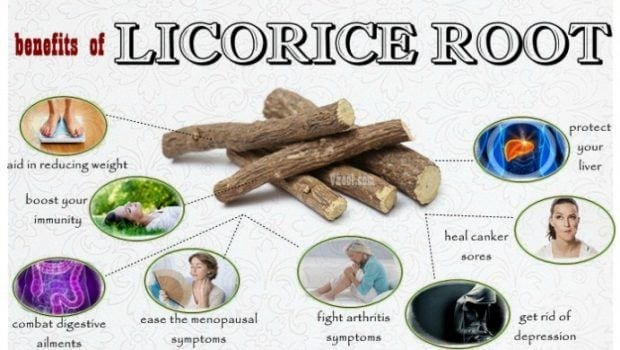
Licorice root, a plant herb known since ancient times for its beneficial effects on health, has been prized for its medicinal properties for around 6,000 years. Even in the tombs of some Egyptian pharaohs, traces of licorice have been found. The ancient Greek physician Hippocrates mentioned licorice as a treatment for coughing and considered it a curative substance.
The use of licorice root dates back to ancient civilizations, with evidence of its medicinal properties found in the traditional medicine practices of China, Egypt, and Greece. In modern times, licorice root has been extensively studied for its therapeutic benefits, which include anti-inflammatory, antioxidant, and antimicrobial properties.
The Chemical Composition of Licorice Root
Licorice root contains several compounds that contribute to its therapeutic benefits. Glicirrizin is an active ingredient in licorice that makes it a natural remedy for dry coughs and asthma. Additionally, licorice root is rich in glucose, starch, vitamins, and flavonoids, which have antioxidant and anti-inflammatory properties.
The chemical composition of licorice root can be broken down into several key components:
- Glycosides: Glycosides are a type of sugar molecule that is found in licorice root. The two main glycosides present in licorice root are glabridin and isoglabridin, which have been shown to possess anti-inflammatory and antioxidant properties.
- Alkaloids: Alkaloids are a class of compounds that are known for their medicinal properties. In licorice root, the alkaloid glycyrrhizin (also known as glycyrrhizic acid) is present in high concentrations. Glycyrrhizin has been shown to have anti-inflammatory and immunosuppressive effects.
- Flavonoids: Flavonoids are a type of plant compound that is known for its antioxidant properties. In licorice root, flavonoids such as kaempferol and quercetin have been shown to possess anti-inflammatory and antimicrobial effects.
Properties of Licorice Root
According to experts, licorice root has several therapeutic properties that make it a valuable remedy for various health conditions. Some of the key properties of licorice root include:
- Anti-inflammatory: Licorice root has been shown to have anti-inflammatory effects, which can help to alleviate symptoms associated with inflammation and oxidative stress.
- Antioxidant: The flavonoids present in licorice root have antioxidant properties, which can help to protect the body against free radicals and oxidative stress.
- Antimicrobial: Licorice root has been shown to possess antimicrobial effects, which can help to prevent infections and promote wound healing.
- Digestive: Licorice root tea is a popular beverage due to its digestive properties and mild laxative effects.
Contraindications
However, it’s essential to note that licorice root should not be consumed in excess, as it may cause headaches and water retention. In people with high blood pressure, it is recommended to avoid consuming licorice root altogether, as it can lower blood pressure quickly.
Additionally, individuals with certain medical conditions or taking specific medications should consult their doctor before using licorice root. These include:
- High blood pressure: Individuals with high blood pressure should avoid consuming licorice root, as it can exacerbate the condition.
- Kidney disease: Licorice root may worsen kidney function in individuals with kidney disease.
- Thyroid problems: The glycyrrhizin present in licorice root can affect thyroid hormone levels and worsen thyroid conditions such as hypothyroidism.
Research on Licorice Root’s Antitumor Properties
A recent study conducted at the Nankai University in China suggests that licorice root may be an effective adjunct in cancer treatment. The acid glicirrizin present in licorice root seems to act as a “transporter” for delivering antitumor drugs to their target sites. The results of this study were published in the journal “Chemistry & Industry”.
This research is significant, as it highlights the potential of licorice root as a complementary therapy for cancer treatment. However, further studies are needed to confirm these findings and explore the full range of anticancer properties of licorice root.
Using Licorice Root in Cooking
Licorice root can be consumed in various forms, including caramels, infusions, and teas available at health food stores or online.
In cooking, licorice root is used to prepare traditional desserts and candies. A popular liqueur made from licorice root is widely consumed in Calabria.
Digestive Properties of Licorice Root Tea
Licorice root tea is a popular beverage due to its digestive properties and mild laxative effects. To make the tea, simply steep 60 grams of dried licorice roots in boiling water for about an hour. You can add honey to sweeten it if desired.
The digestive properties of licorice root tea are attributed to the presence of glycosides and flavonoids, which have been shown to possess anti-inflammatory and antioxidant effects. Drinking licorice root tea regularly may help to alleviate symptoms associated with irritable bowel syndrome (IBS) and other gastrointestinal disorders.
Important Note: Consult a Doctor Before Taking Licorice Root
If you plan to take licorice root for medicinal purposes, it’s essential to consult with your doctor before doing so. While licorice root is generally considered safe, excessive consumption can cause side effects such as headaches, water retention, and interactions with certain medications.
In addition, individuals with pre-existing medical conditions or taking specific medications should be cautious when using licorice root. This includes:
- Pregnant or breastfeeding women: Licorice root may stimulate the uterus and affect fetal development.
- Children and adolescents: Licorice root may interact with certain medications and worsen underlying health conditions.
In conclusion, licorice root is a versatile herb that has been used for centuries to treat various health conditions. Its therapeutic properties make it an attractive remedy for inflammation, oxidative stress, and gastrointestinal disorders. However, excessive consumption or use in individuals with pre-existing medical conditions should be avoided. As always, consult with your doctor before taking licorice root for medicinal purposes.


