
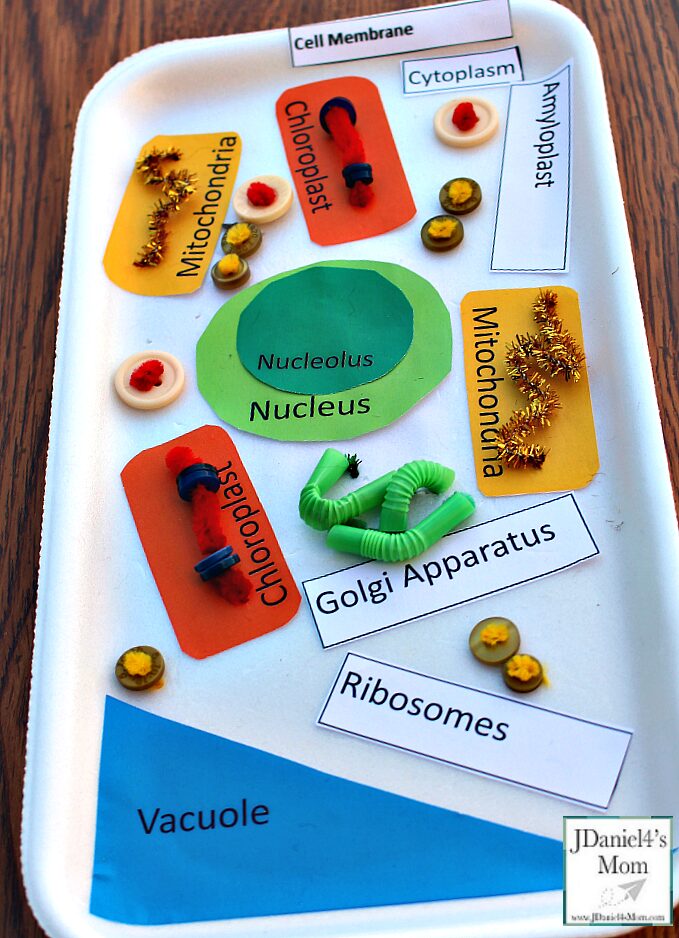
As we explore the fascinating world of biology, it’s essential to understand the building blocks of life – cells. In this article, we’ll delve into the intricacies of plant cells, exploring their structure, function, and differences from animal cells.
Differences Between Plant and Animal Cells: A Key to Understanding Cell Biology
Plant cells and animal cells share many similarities, but there are distinct differences that set them apart. Three key features of plant cells that differentiate them from animal cells include:
- Parete vegetale: Composed mainly of cellulose and lignin, this cell wall provides structural support and protection to the cell.
- Vacuolo: A versatile organelle that serves multiple functions, including storing water, nutrients, and waste products. The vacuole’s role in regulating turgor pressure is crucial for maintaining cellular shape and structure.
- Plastidi: Specialized organelles responsible for various plant-specific processes, such as photosynthesis, starch synthesis, and pigment accumulation.
These differences are not the only distinguishing features of plant cells. The composition of cell membranes, the presence or absence of certain lipids, and the variability in nuclear material all contribute to the unique characteristics of plant cells.
The Structure of Plant Cells: A Hierarchical Approach
To appreciate the intricacies of plant cell structure, let’s break down the different organelles and their functions:
- Reticolo endoplasmatico rugoso (RER): Involved in protein synthesis, this rough ER is characterized by its ribosomes attached to the surface.
- Reticolo endoplasmatico liscio (REL): Responsible for protein modification and transport, this smooth ER plays a crucial role in cellular function.
- Vacuolo: As mentioned earlier, the vacuole’s multifaceted nature makes it an essential component of plant cell structure and function.
- Nucleo: The nucleus houses the genetic material, while the nucleolus is responsible for RNA synthesis.
The presence of various plastids, such as chloroplasts, amyloplasts, leucoplasts, chromoplasts, and ezioplasts, further complements the plant cell’s unique characteristics. These organelles are specialized to perform specific functions, like photosynthesis or pigment accumulation.
Explaining Plant Cells to Children: A Practical Approach
When explaining complex concepts to children, it’s essential to use relatable examples and hands-on activities. Here are a few ideas for engaging young minds:
- Use everyday objects to illustrate the concept of cellular structure and function.
- Explore the world of plants through sensory experiences, such as touching different textures or smelling various fragrances.
- Conduct simple experiments to demonstrate plant cell processes, like observing the effect of light on photosynthesis.
By adopting a child-centered approach, educators can make learning about plant cells more accessible and enjoyable for young students.
Conclusion
Plant cells are fascinating structures that play a vital role in maintaining life. By understanding their unique characteristics, functions, and differences from animal cells, we can gain a deeper appreciation for the intricate processes that govern our world. Whether you’re a seasoned biologist or just starting to explore the wonders of cell biology, this article has provided a comprehensive overview of plant cells – an essential component of our natural world.
The Importance of Plant Cell Research: Unlocking New Technologies and Medicines
Plant cell research holds significant potential for advancing various fields, including medicine, agriculture, and biotechnology. By studying the structure and function of plant cells, scientists can:
- Develop new medicines: Plant cell-based technologies can lead to the creation of novel pharmaceuticals, such as those used in cancer treatment or disease prevention.
- Improve crop yields: Understanding how plants respond to different environmental conditions can help researchers develop more resilient crops, ensuring global food security.
- Create sustainable materials: Plant cells can be engineered to produce biodegradable plastics, biofuels, and other sustainable products.
By exploring the vast potential of plant cell research, scientists can unlock new technologies and medicines that improve human lives and contribute to a more sustainable future.
The Future of Plant Cell Research: Emerging Trends and Opportunities
As we continue to explore the intricacies of plant cells, several emerging trends and opportunities are on the horizon:
- Genomics and epigenomics: The study of plant genomes and epigenetic markers can reveal new insights into plant cell development, adaptation, and response to environmental stimuli.
- Synthetic biology: By designing and constructing novel biological pathways in plants, researchers can create new products and technologies that transform various industries.
- Biotechnology and bioengineering: Plant cells offer a vast platform for biotechnological applications, including the production of biofuels, bioplastics, and pharmaceuticals.
As plant cell research continues to evolve, it’s essential to stay updated on the latest developments and trends. By embracing emerging technologies and approaches, we can unlock new frontiers in biology and create a brighter future for our planet.
Plant Cell Research: A Global Effort
The study of plant cells is an interdisciplinary field that requires collaboration between scientists from various disciplines, including botany, biochemistry, genetics, biotechnology, and agriculture. By pooling their expertise and knowledge, researchers can:
- Accelerate discovery: Interdisciplinary research teams can quickly identify new avenues for investigation and accelerate the pace of scientific progress.
- Foster innovation: Collaboration among scientists from different backgrounds can lead to novel ideas and approaches that transcend traditional disciplinary boundaries.
- Promote global understanding: By sharing knowledge and expertise, researchers can foster a deeper appreciation for the complexity and diversity of plant cells, as well as the interconnectedness of our natural world.
As we strive to advance our understanding of plant cells, it’s essential to recognize the importance of global collaboration. By working together, scientists from around the world can unlock new frontiers in biology and create a brighter future for all.
Conclusion
Plant cells are intricate structures that play a vital role in maintaining life. By understanding their unique characteristics, functions, and differences from animal cells, we can gain a deeper appreciation for the intricate processes that govern our world. Whether you’re a seasoned biologist or just starting to explore the wonders of cell biology, this article has provided a comprehensive overview of plant cells – an essential component of our natural world.
By embracing emerging technologies and approaches, we can unlock new frontiers in biology and create a brighter future for our planet. As researchers continue to study the intricate structures of plant cells, they may uncover new secrets that can benefit humanity and the environment.
Glossary: Key Terms in Plant Cell Biology
- Amplificazione: The process by which plants increase their cell size through cell division.
- Bioaccumulation: The accumulation of substances, such as pollutants, within a living organism.
- Biofilm formation: The creation of complex communities of microorganisms on surfaces.
- Cell wall: A rigid structure composed primarily of cellulose that provides support and protection to the cell.
- Chloroplasts: Organelles responsible for photosynthesis in plant cells.
- Cytoplasmic organelles: Small, membrane-bound structures within the cytoplasm of a cell that perform specific functions.
- Epigenetics: The study of gene expression and its regulation through various mechanisms, including DNA methylation and histone modification.
- Genetic engineering: The use of biotechnology to modify an organism’s genes or genetic material for desirable traits.
- Hormones: Chemical messengers that regulate various physiological processes in plants.
- Mitochondria: Organelles responsible for energy production in plant cells through cellular respiration.
- Nucleic acids: Complex molecules composed of nucleotides that store and transmit genetic information.
By understanding these key terms, researchers can better appreciate the intricate mechanisms governing plant cell biology and unlock new secrets about the natural world.


