
In recent years, the world has seen a significant shift towards more sustainable materials in various industries. One such material that has gained attention is bioplastic, derived from renewable or biodegradable sources. In this article, we’ll delve into the world of bioplastics, exploring their benefits, drawbacks, and applications.
What are Bioplastics?
Bioplastics are a type of plastic made from natural materials such as plants, bacteria, or microorganisms. They can be biodegradable, meaning they can decompose naturally in the environment, or non-biodegradable, requiring specialized disposal methods. The production process for bioplastics varies depending on the material used and the conditions of composting.
Types of Bioplastics
There are several types of bioplastics available in the market, each with its unique characteristics and applications:
• Bioplastics from Food Sources: These include bioplastics made from corn, potato, tapioca, or sugarcane. Examples include Bolice, Biplast, Cereplast Compostables, Biotecnomais, Vegemat, Solanyl.
• Industrial Bioplastics: These are used for industrial applications and have a high melting point. An example is Apinat.
• Biodegradable Polymers: These are derived from sugars and have excellent biodegradability properties. Examples include PHA and its derivatives (e.g., polybutyrated adipic acid, polyvaleric adipic acid).
• Cellulose-Based Bioplastics: These are made from plant cell walls and are biodegradable.
• Waste-Based Bioplastics: These are derived from food waste or other organic materials. Examples include banana peels and tomato scraps.
Applications of Bioplastics
Bioplastics have a wide range of applications across various industries, including:
- Food packaging
- Automotive interiors
- Textiles
- Footwear
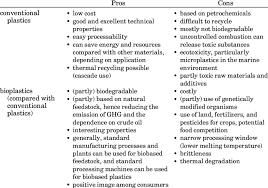
Benefits of Bioplastics
The benefits of bioplastics are numerous:
-
Environmental Benefits: Bioplastics are biodegradable, reducing waste and minimizing environmental pollution.
-
Reduced Greenhouse Gas Emissions: The production process for bioplastics can reduce greenhouse gas emissions compared to traditional plastics.
-
Improved Sustainability: Bioplastics offer a more sustainable alternative to traditional plastics.
-
Potential for Carbon Sequestration: Some bioplastics, such as those made from biomass, have the potential to sequester carbon dioxide from the atmosphere.
-
Low Toxicity: Bioplastics are generally considered non-toxic and safe for use in various applications.
Drawbacks of Bioplastics
However, bioplastics also have some drawbacks:
-
Higher Production Costs: Bioplastics are currently more expensive than traditional plastics.
-
Limited Biodegradability: Some bioplastics may not be fully biodegradable, posing environmental concerns.
-
Public Awareness and Education: There is a need for increased public awareness and education about the proper disposal of bioplastics.
-
Competition from Renewable Fuels: Bioplastics face competition from renewable fuels, such as bioethanol and biodiesel, in terms of cost-effectiveness and environmental benefits.
-
Scalability Challenges: The scalability of bioplastic production is still a challenge, with many manufacturers facing difficulties in producing high volumes while maintaining quality.
Conclusion
Bioplastics are an emerging material with vast potential to transform various industries towards more sustainable practices. While they offer several benefits, it’s essential to address their drawbacks and improve public awareness and education. As research continues to advance, we can expect to see more innovative applications of bioplastics in the future.
Future Directions
To overcome current limitations and increase adoption rates, there are several areas that require attention:
-
Reducing Production Costs: Bioplastic production costs need to decrease to make them more competitive with traditional plastics.
-
Improving Biodegradability: Research should focus on developing bioplastics with enhanced biodegradability properties.
-
Enhancing Public Awareness: Educational campaigns and public outreach programs can help increase awareness about the benefits of bioplastics and proper disposal methods.
-
Developing Advanced Recycling Technologies: The development of advanced recycling technologies is crucial for increasing the recyclability of bioplastics.
-
Investigating New Materials: Scientists should continue to explore new materials derived from renewable resources, such as algae or agricultural waste.
Conclusion: The Future of Bioplastics
As the world continues to navigate the challenges and opportunities presented by bioplastics, it’s clear that this material has a bright future ahead. With continued innovation, investment, and public awareness, bioplastics can play a significant role in mitigating climate change, promoting sustainability, and improving quality of life.
Frequently Asked Questions
-
What is bioplastic made from?
Bioplastic can be made from various natural materials, including plants, bacteria, or microorganisms. -
Are all bioplastics biodegradable?
No, not all bioplastics are fully biodegradable. Some may require specialized disposal methods. -
What are the benefits of using bioplastic?
Bioplastic offers several environmental benefits, including reduced waste and greenhouse gas emissions. -
How can I dispose of bioplastic correctly?
The proper disposal of bioplastic depends on its type. Check with local authorities for guidance on recycling or composting bioplastics. -
Can bioplastic replace traditional plastics entirely?
While bioplastic has the potential to transform industries, it’s unlikely to completely replace traditional plastics in the near future. -
How can I stay updated on the latest developments in bioplastic technology?
Follow industry leaders, research institutions, and environmental organizations for updates on the latest advancements in bioplastic technology. -
What role can bioplastics play in addressing climate change?
Bioplastics have the potential to reduce greenhouse gas emissions and contribute to a more sustainable future. -
Can bioplastics be used in food packaging?
Yes, bioplastics are suitable for food packaging due to their high barrier properties and ability to prevent moisture transfer.
Sources:
- Federal Environment Agency (Germany)
- The Flex
- Mazda MX-5
- Ford Motor Company


