
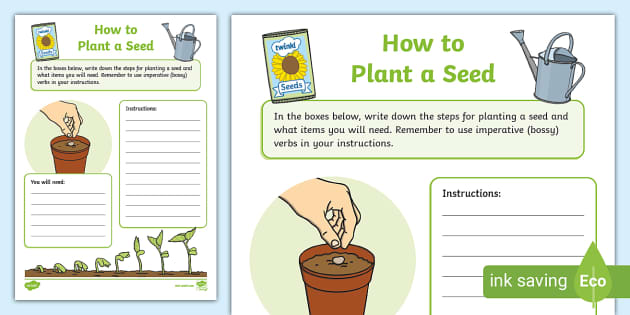
Sowing seeds is an art that requires patience, attention to detail, and a willingness to learn. Whether you’re a seasoned gardener or just starting out, the process of sowing can be both therapeutic and rewarding. In this comprehensive guide, we’ll explore the best practices for sowing, including understanding the optimal time for sowing, determining sowing depth, and avoiding common mistakes.
Understanding the Best Time for Sowing
For many plants, the optimal time for sowing falls between January and March. Winter is the ideal season for sowing annual plants, as the cooler temperatures and reduced humidity make it easier for seeds to germinate. As soon as February rolls around, you can start sowing all types of annual plants, whether they’re vegetables or flowers.
However, the best time for sowing depends on your location and climate. Check the specific weather patterns and frost dates for your area to determine the optimal sowing time. In regions with a long growing season, it may be possible to sow seeds in the fall as well, while in areas with short growing seasons, it’s essential to wait until late spring or early summer.
Determining Sowing Depth
The depth at which you sow your seeds depends on the type of plant you’re growing. As a general rule, sow seeds about three times deeper than their diameter. For example, if the seed is 1 cm in diameter, sow it 3 cm deep. Check the packaging for specific instructions, as this information is often included.
For seeds with a large diameter, such as beans or peas, you may need to sow them slightly shallower, typically between 2-3 times the diameter. On the other hand, seeds like lettuce or radish can be sown more deeply, up to 4-5 times their diameter.
Sowing Techniques
Sowing can be divided into two main categories: sowing in a greenhouse and sowing directly in the ground. Sowing in a greenhouse can be done using manual or mechanical seeders, or traditional methods like broadcasting seeds, creating rows, or planting in holes.
Broadcasting involves scattering seeds evenly over the soil surface. This method is ideal for large areas or when growing multiple varieties of the same plant. Creating rows involves sowing seeds in long, straight lines, which can be useful for plants that require regular spacing, such as lettuce or spinach.
Planting in holes involves creating small depressions in the soil and placing a single seed in each one. This method is often used for plants like tomatoes or peppers, where individual support may be necessary. Mechanical seeders use specialized equipment to sow seeds quickly and efficiently, while manual seeders rely on hand tools to spread seeds evenly.
Benefits of Sowing
Sowing seeds has several advantages. Firstly, it’s cost-effective: when you buy a plant, you can expect to produce at least 10 new seeds from it. This means that sowing can be a more economical way to grow plants, especially for small gardens or households.
Another benefit is the robust root system: plants sown directly in the ground tend to develop more extensive root systems, making them less susceptible to drought and better able to withstand varying soil conditions.
Sowing seeds also allows you to experiment with different varieties and flavors without committing to a full crop of seedlings. This can be particularly useful for gardeners who want to try out new plants or explore different growing techniques.
The Power of Lunar Cycles
For centuries, lunar cycles have influenced agricultural practices, particularly when it comes to sowing. While this topic is explored further on our dedicated page about the moon and sowing, it’s worth noting that many gardeners believe in synchronizing their planting with the lunar cycle for optimal growth.
Some researchers suggest that the full moon can stimulate plant growth, while others argue that the new moon phase may be more beneficial for germination. While there is no conclusive evidence to support either theory, many gardeners swear by the power of lunar cycles and make adjustments to their sowing schedules accordingly.
Sowing: A Journey Worth Taking
With these tips and tricks, you’re ready to start your own sowing journey. Whether you’re a seasoned gardener or just starting out, we hope this guide has provided you with valuable insights into the world of sowing seeds.
Remember that sowing is a process that requires patience, attention to detail, and a willingness to learn. Don’t be discouraged if things don’t go as planned initially – with time and practice, you’ll develop the skills and confidence needed to become a successful sower.
Frequently Asked Questions
- What’s the best time for sowing in my region?
The best time for sowing depends on your location and climate. Check the specific weather patterns and frost dates for your area to determine the optimal sowing time. - Can I use any type of soil for sowing seeds?
No, it’s essential to use a high-quality potting soil specifically designed for seed starting. Regular garden soil may contain too many debris or contaminants that can harm your seeds. - How do I know when to move my seedlings outside?
Wait until the danger of frost has passed and the weather is consistently warm. Check the specific instructions on the seed packet or consult with local gardening experts for guidance. - Can I sow seeds too deeply or too shallowly?
Sowing seeds too deep can lead to poor germination, while sowing them too shallow can cause them to dry out quickly. Follow the recommended sowing depth on the seed packet or use a general guideline of three times the seed’s diameter. - What are some common mistakes gardeners make when sowing seeds?
Common errors include overwatering, underwatering, and not providing enough light for germination. Be sure to follow proper sowing techniques and provide optimal growing conditions. - Can I sow seeds in areas with poor soil quality?
Yes, but it’s essential to amend the soil first using organic matter like compost or manure. This will help improve the soil structure and fertility, ensuring better seed germination. - How long does it take for seeds to germinate?
Seeds typically take anywhere from a few days to several weeks to germinate, depending on factors like temperature, moisture, and light exposure. - What are some additional tips for sowing seeds effectively?
Keep the soil consistently moist but not waterlogged, provide adequate light, maintain optimal temperatures, and avoid over-handling the seedlings.
By following these guidelines and avoiding common mistakes, you’ll be well on your way to becoming a successful sower. Happy growing!


