
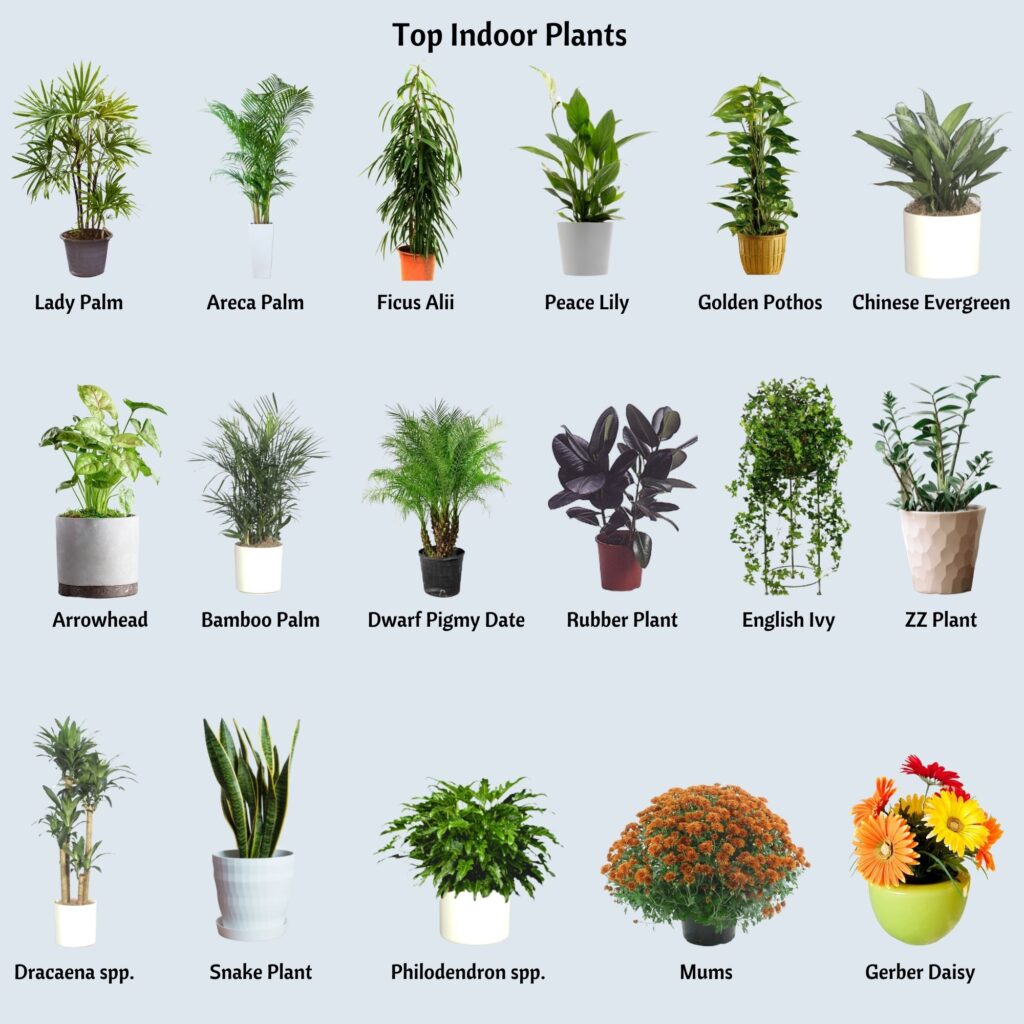
As we spend more time indoors, it’s becoming increasingly clear that the air quality in our homes is a major concern. The good news is that there are simple and effective ways to improve indoor air quality, and one of the most popular methods involves using plants.
The Science Behind Plant-Powered Air Purification
Plants have been shown to contribute significantly to improving indoor air quality by transpiring large amounts of water vapor into the air. This process naturally humidifies environments that are too dry due to heating systems. However, the type of heating system in your home can greatly impact both indoor air quality and plant health.
For example, radiators and floor/panel heaters differ in their effects on plants, but they all require attention to ensure plant well-being. Radiators can be particularly challenging for plants because they dry out the air rapidly, while floor/panel heaters can lead to moisture buildup in the soil if not properly ventilated.
Regular Watering: The Key to Healthy Plants
One crucial aspect of maintaining healthy plants is regular watering. It’s essential to keep the soil consistently moist without overwatering, as this can lead to root rot and other problems. By ensuring that your plants receive adequate water, you’ll be creating a favorable environment for air quality improvement.
In addition to regular watering, it’s also important to choose the right type of potting mix for your plants. A well-draining potting mix will help prevent moisture buildup in the soil and reduce the risk of root rot.
Some Plant Species That Are Ideal for Indoor Air Purification
Certain plant species are more effective at removing pollutants from the air than others. These include:
- Sansevieria Trifasciata: Also known as Mother-in-Law’s Tongue, this plant is renowned for its ability to remove formaldehyde and benzene from the air.
- Chlorophytum Comosum (Falangio): This plant is an excellent air purifier, capable of removing trichloroethylene and formaldehyde from the air.
- Ficus Benjamina (Weeping Fig): As its name suggests, this plant has long, flowing branches that help to remove pollutants like benzene and trichloroethylene from the air.
- Dracaena Marginata: This plant is known for its ability to remove formaldehyde and trichloroethylene from the air, making it an excellent choice for indoor spaces.
- Tradescantia Sillamontiana (Miseria): This plant is a natural air purifier, capable of removing benzene and trichloroethylene from the air.
When choosing plants for indoor air purification, consider factors such as their ability to grow in low-light conditions, their water requirements, and their tolerance for high temperatures. Some plants are more adaptable than others and can thrive in a variety of environments.
The Role of Soil in Plant-Powered Air Purification
Soil plays a significant role in plant-powdered air purification. When soil is regularly replaced, it acts as a sponge-like substance that absorbs and filters pollutants from the air. However, not all soils are created equal, and some may be more effective than others at removing pollutants.
In addition to regular soil replacement, it’s also important to choose a potting mix that is specifically designed for indoor plants. These mixes often contain added nutrients and fertilizers that help promote healthy plant growth.
Plants on Balconies and Patios: An Additional Layer of Protection
In addition to using plants indoors, you can also use them to improve air quality on your balcony or patio. Some plant species are particularly effective at filtering out pollutants like dust and smog.
While other plants can help keep insects away, some species are even more effective at reducing noise pollution by providing a natural sound barrier. For example, certain types of succulents have thick, waxy leaves that can absorb and dissipate sound waves, making them an excellent choice for balcony or patio use.
Conclusion
Improving indoor air quality with plants is a simple yet effective way to create a healthier living space. By choosing the right plant species, maintaining healthy soil, and using plants on balconies and patios, you can significantly reduce pollutants in your home.
Here are some frequently asked questions about using plants for indoor air purification:
Q: Can any type of plant improve indoor air quality?
A: Yes, many types of plants can contribute to improving indoor air quality by transpiring water vapor and removing pollutants from the air. However, not all plants are created equal, and some may be more effective than others at removing specific pollutants.
Q: How often should I water my plants to maintain good health?
A: It’s essential to keep your soil consistently moist without overwatering, as this can lead to root rot and other problems. The frequency of watering will depend on factors such as the type of plant, its size, and the temperature and humidity of your home.
Q: Are there any specific plant species that are more effective at removing certain pollutants from the air?
A: Yes, some plants like Sansevieria Trifasciata and Chlorophytum Comosum (Falangio) are particularly effective at removing formaldehyde and benzene from the air. Other plants may be better suited for removing other types of pollutants.
Q: Can I use plants to remove other types of pollutants in addition to formaldehyde and benzene?
A: Some plants, such as Dracaena Marginata and Tradescantia Sillamontiana (Miseria), can help remove trichloroethylene and other pollutants from the air. However, not all plants are effective at removing multiple pollutants.
Q: Are there any specific soil requirements for plants that are effective at removing pollutants from the air?
A: While some soil types may be more effective than others, it’s generally recommended to use well-draining potting mixes to ensure healthy plant growth and optimal air purification performance.
Q: Can I use plants on my balcony or patio in addition to using them indoors?
A: Yes, many plant species can help filter out pollutants like dust and smog from the air on balconies and patios. Some plants may also be effective at reducing noise pollution by providing a natural sound barrier.
Q: Are there any other ways I can improve indoor air quality beyond using plants?
A: While plants are an excellent starting point, there are many other ways to improve indoor air quality, including using air purifiers, reducing chemical use in your home, and implementing good ventilation practices.


