
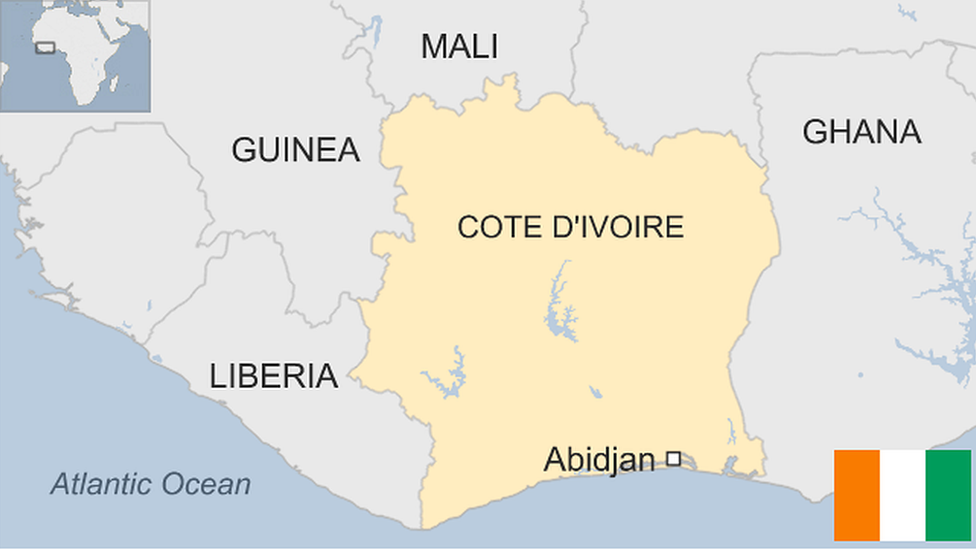
Costa d’Avorio, officially known as the République de Côte d’Ivoire, is a country located in the heart of Africa. It shares borders with Ghana, Liberia, Guinea, Mali, and Burkina Faso. This article will delve into the rich history, diverse culture, and stunning natural beauty of Costa d’Avorio, making it an ideal destination for travelers seeking an authentic African experience.
Where is Costa d’Avorio Located?
Located in West Africa, Costa d’Avorio is strategically positioned near the equator. The country’s geographical location has influenced its climate, with temperatures varying from equatorial in the south to tropical in the center and semi-arid in the north. This diversity of climates supports a wide range of flora and fauna, making it an exciting destination for nature lovers and adventure seekers.
Understanding the Language and Culture of Costa d’Avorio
The official language spoken in Costa d’Avorio is French, which was imposed by its colonial past. Despite this, the country has managed to maintain a unique cultural identity shaped by its indigenous communities and historical influences. The population speaks various local languages, with about 30% speaking other languages like Baoulé, Dioula, and Agni.
Exploring the Diverse Population of Costa d’Avorio
Costa d’Avorio is home to 62 ethnic groups, which can be divided into five main categories: Akan, Gur or Voltaic (e.g., the Senufo people), Kru, Mandé del Nord, and Mandé del Sud. Each group has its unique characteristics, traditions, and languages, reflecting the country’s rich cultural diversity.
A Brief Overview of the Capital City, Yamoussoukro
Yamoussoukro is the official capital of Costa d’Avorio, but Abidjan is often considered the economic hub of the country. The city was officially designated as the capital in 1983 due to its strategic location and access to natural resources.
The Fragile Economy of Costa d’Avorio
Costa d’Avorio has a strong economy, driven by its rich natural resources such as coffee, cocoa, oil palm, bananas, and more. However, the country’s economic stability is fragile due to recent political instability and historical issues with exporting raw materials. The government has been working to diversify the economy and promote sustainable development.
Tourism in Costa d’Avorio: A Delicate Balance
Tourism in Costa d’Avorio can be challenging due to social and economic concerns. Visitors must be mindful of local customs and traditions, as well as the country’s fragile ecosystem. It is recommended to work with a travel agency or tour operator specializing in this destination to ensure a safe and enjoyable experience.
Must-see Attractions in Costa d’Avorio
- Tai National Park: One of the last remaining primary forests in West Africa, Tai National Park offers stunning landscapes, diverse wildlife, and opportunities for hiking and birdwatching.
- Abidjan’s Beaches: Enjoy wild beaches and luxury resorts along the coast, offering a relaxing getaway from the city.
- Ecotourism in Costa d’Avorio: Explore 8 national parks, 6 reserves, and vast tracts of untouched forest, providing opportunities for eco-friendly travel and wildlife conservation.
When to Visit Costa d’Avorio?
The best time to visit is during the dry season (November to March), when temperatures are hot but humidity is relatively low. The climate ranges from equatorial in the south to tropical in the center, and semi-arid in the north. Visitors should be prepared for varying weather conditions depending on their destination.
Understanding the History of Immigration to Italy
Ivorian immigrants are among the top four countries for migration to Italy. Despite the distance, Costa d’Avorio is a significant contributor to the global economy, making it an attractive destination for migrants seeking better opportunities. The journey of immigration often involves complex circumstances, including political instability and economic factors.
The Journey Ahead: Navigating the Complexities of Migrant Flows
While some migrants may come from Costa d’Avorio, it’s challenging to pinpoint their exact origin due to the complexities of migration patterns. Understanding these dynamics is essential for addressing the needs of migrant communities and promoting social cohesion.
Ecotourism in the United States: A New Frontier for Sustainable Travel
As people seek more eco-friendly travel options, Costa d’Avorio is becoming an increasingly popular destination for ecotourists looking to experience untouched nature and unique biodiversity. The country’s commitment to sustainable development and conservation efforts makes it an attractive choice for environmentally conscious travelers.
Conclusion
Costa d’Avorio is a hidden gem in West Africa, offering a unique blend of culture, history, and natural beauty. By understanding the complexities of this fascinating country, visitors can appreciate its rich heritage and contribute to its sustainable development. Whether you’re an adventure seeker or eco-conscious traveler, Costa d’Avorio has something to offer for every type of traveler.


