
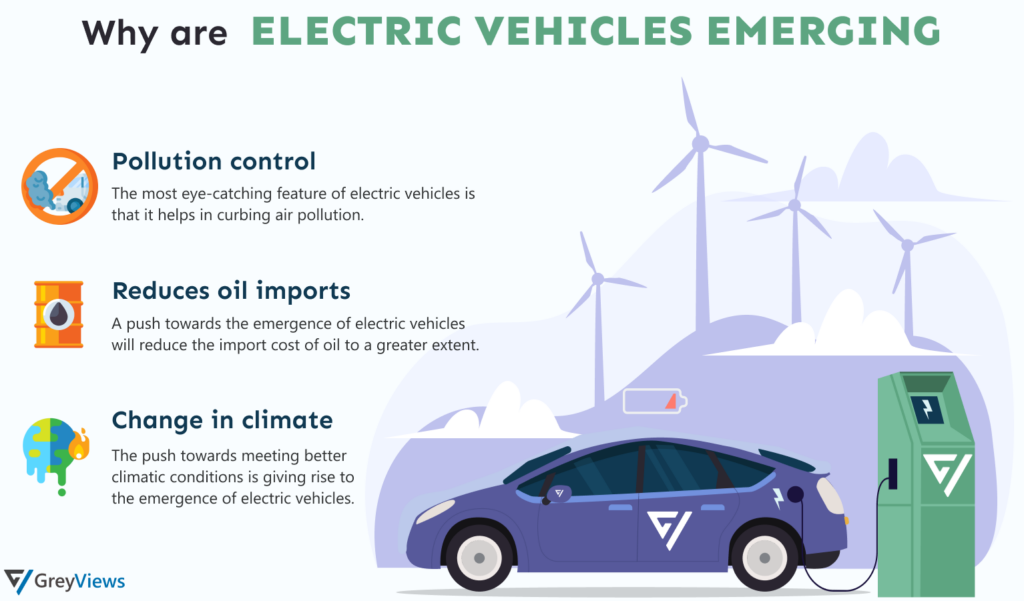
As the world shifts towards a more sustainable future, the impact of transportation on the environment becomes increasingly important. One of the most significant contributors to greenhouse gas emissions is the automotive industry. However, with the rise of electric vehicles (EVs), there’s hope for a cleaner and greener mobility future.
The Problem: Emissions from Traditional Vehicles
According to a comparative study conducted by the Unione Internazionale dei Produttori e Distributori di Energia Elettrica (Unipede) on behalf of the European Union, traditional vehicles emit significantly more CO2 than EVs. In fact, studies have shown that EVs produce approximately half the emissions of their gasoline-powered counterparts.
A Comprehensive Analysis
The study compared the emissions of traditional vehicles with those of EVs, taking into account the emissions from central power plants used for recharging. The results indicate that EVs emit significantly lower levels of CO2, NOx, and particulate matter (PM). Only one pollutant, sulfur dioxide (SO2), shows a slight increase in emissions.
The Global Context
Transportation accounts for 12% of the EU’s total greenhouse gas emissions and 24% of global emissions. This number has been growing at an alarming rate, with a 27% increase in just 12 years. Italy is no exception, with transportation responsible for 32% of its energy consumption and 30% of CO2 emissions.
EU Emissions Reduction Targets
The European Union has set ambitious targets to reduce greenhouse gas emissions by 20% by 2010. With the rise of EVs and renewable energy sources like solar and wind power, the future looks bright for a cleaner transportation sector.
Increasing Demand for Electric Vehicles
As concerns about climate change and resource depletion grow, the demand for electric vehicles is expected to skyrocket. According to Enexis, an international leader in electrification, mass adoption of EVs is predicted by 2017. This will result in over 7.7 million charging points installed across Europe.
The Benefits of Electric Vehicles
Electric vehicles offer numerous benefits, including:
- Zero Tailpipe Emissions: EVs produce no emissions during operation, reducing air pollution and greenhouse gas emissions.
- Improved Energy Efficiency: EVs convert about 60-70% of the electrical energy from the grid to power the wheels, while gasoline-powered vehicles only convert about 20% of the energy in gasoline to power the wheels.
- Reduced Dependence on Fossil Fuels: EVs are powered by electricity, which can be generated from renewable sources like solar and wind power, reducing our reliance on fossil fuels.
- Lower Operating Costs: EVs have lower operating costs than traditional vehicles, with reduced fuel costs and lower maintenance needs.
The Challenges Facing Electric Vehicles
While electric vehicles offer numerous benefits, there are also several challenges facing their adoption:
- Range Anxiety: The limited range of EVs can cause anxiety for drivers who are concerned about running out of charge before reaching a charging station.
- Charging Infrastructure: The availability and accessibility of charging infrastructure is still a significant challenge for widespread adoption of EVs.
- High Upfront Costs: EVs are currently more expensive than traditional vehicles, making them less accessible to many consumers.
- Battery Durability: Concerns about battery durability and the potential for reduced range over time can make some consumers hesitant to adopt EVs.
Conclusion: A Brighter Future for Electric Vehicles
As the world moves towards a more sustainable future, electric vehicles are poised to play a significant role in reducing greenhouse gas emissions and improving air quality. With ongoing advancements in technology and decreasing costs, EVs are becoming an increasingly viable option for consumers.
The Future of Electric Vehicles
In the coming years, we can expect to see significant advancements in electric vehicle technology, including:
- Improved Battery Technology: Next-generation batteries will offer improved range, faster charging times, and increased durability.
- Increased Adoption: As the demand for EVs continues to grow, manufacturers are expected to invest more heavily in EV production, driving down costs and increasing accessibility.
- Expanded Charging Infrastructure: Governments and companies around the world are investing in expanding the charging infrastructure, making it easier for consumers to own and operate EVs.
FAQs
- What is the main source of emissions from traditional vehicles?
Traditional vehicles emit significantly more CO2 than EVs due to combustion processes. - How do EVs compare to traditional vehicles in terms of emissions?
EVs produce approximately half the emissions of their gasoline-powered counterparts, with some pollutants showing significant reductions. - What is the EU’s target for reducing greenhouse gas emissions by 2010?
The EU aims to reduce greenhouse gas emissions by 20% by 2010. - How does transportation contribute to global emissions?
Transportation accounts for 24% of global greenhouse gas emissions, with a significant portion coming from traditional vehicles. - What is the predicted growth rate of EV adoption in Europe?
Enexis predicts mass adoption of EVs by 2017, with over 7.7 million charging points installed across Europe. - Why are electric vehicles becoming increasingly popular?
Concerns about climate change, resource depletion, and air pollution are driving demand for cleaner transportation options like EVs. - How do renewable energy sources impact the sustainability of EVs?
Renewable energy sources like solar and wind power are becoming increasingly available, reducing reliance on fossil fuels and lowering emissions. - What is the future of electric vehicles in terms of technology and cost?
Advancements in technology and decreasing costs are expected to make EVs an increasingly viable option for consumers.
The Role of Governments and Companies
Governments and companies play a crucial role in promoting the adoption of electric vehicles:
- Incentives: Governments can offer incentives, such as tax credits, rebates, or free charging for public parking, to encourage the purchase of EVs.
- Investment in Charging Infrastructure: Governments and companies can invest in expanding the charging infrastructure, making it easier for consumers to own and operate EVs.
- Regulatory Policies: Companies and governments can implement regulatory policies, such as emission standards or fuel efficiency requirements, to promote the adoption of EVs.
By understanding the benefits and challenges of electric vehicles and working together to address these challenges, we can create a cleaner, greener mobility future for all.


