
Introduction
As the world shifts towards a more sustainable future, electric vehicles (EVs) have become an increasingly popular choice for environmentally conscious consumers. However, one of the primary concerns for potential EV buyers is autonomy – or range anxiety. How far can you drive on a single charge? In this article, we’ll delve into the world of electric vehicle autonomy, exploring current models, emerging technologies, and projections for the future.
What is Range Anxiety?
Range anxiety refers to the fear or apprehension that comes with not knowing how far an electric vehicle can travel on a single charge. With limited charging infrastructure in many areas, this concern is valid, making it essential to consider autonomous capabilities when choosing an EV.
Current Autonomous Capabilities
Let’s examine some of the current models available in the market:
- BMW i3: With a range of 190 km (118 miles), the BMW i3 offers a compact and efficient design. The optional Range Extender adds an additional 110 km (68 miles) to its total range.
- Mercedes Classe B ED: This vehicle boasts a range of 230 km (143 miles), making it one of the longest-range EVs on the market.
- Renault ZOE: With a range of 240 km (150 miles), the Renault ZOE is an excellent choice for those seeking a long-distance drive.
- Nissan Leaf: The Nissan Leaf offers a range of 250 km (155 miles), making it one of the most popular EVs on the market.
- Chevrolet Bolt: With a range of 320 km (200 miles), the Chevrolet Bolt is an excellent option for those seeking a long-range EV.
- Tesla Model 3: This vehicle boasts a range of 320 km (200 miles) and is expected to arrive in markets worldwide in 2017.
- Audi e-Tron quattro: With a range of 500 km (310 miles), the Audi e-Tron quattro is one of the longest-range EVs currently available.
Emerging Technologies
Several emerging technologies are being developed to improve autonomous capabilities:
- Batteries with Increased Range: Researchers are working on batteries that can provide even longer ranges, such as those using lithium-iron-phosphate chemistry or solid-state batteries.
- New Battery Chemistries: Scientists are exploring alternative battery chemistries, such as those using sodium or magnesium, which could potentially offer higher energy densities and improved range.
- Supercapacitors: Supercapacitors can store electrical energy quickly, allowing for faster charging and longer ranges.
Charging Infrastructure
As electric vehicles become more widespread, charging infrastructure is expanding to meet demand:
- Fast Charging: Fast charging stations are becoming increasingly common, allowing drivers to charge their vehicles at speeds of up to 100 kW.
- Wireless Charging: Wireless charging technology is also on the rise, eliminating the need for cables and providing a convenient way to keep your vehicle charged.
Range Extension Technologies
Some manufacturers are exploring range extension technologies:
- Hybrid Batteries: Hybrid batteries combine traditional lead-acid batteries with high-performance electric motors.
- Fuel Cells: Fuel cells use hydrogen as a fuel source, producing only water vapor and heat as exhaust.
Charging Network Expansion
The charging network is expanding rapidly, making it easier for EV owners to charge on the go:
- EV Charging Stations: EV charging stations can be found in many public parking lots and shopping centers.
- Home Charging: Home charging allows drivers to charge their vehicles at home using a standard 120V outlet.
Autonomous Technology
While electric vehicles are becoming increasingly autonomous, there is still much to be learned:
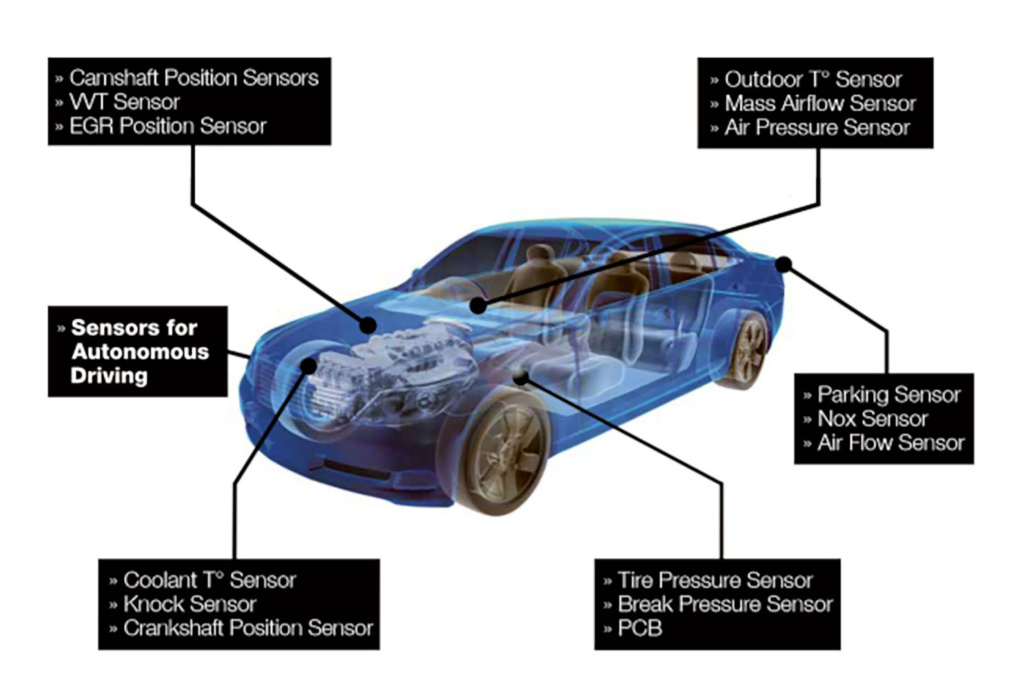
- Autonomous Driving Systems: Autonomous driving systems use sensors, cameras, and GPS to navigate roads.
- Self-Driving Cars: Self-driving cars use advanced algorithms and machine learning to make decisions on the road.
Regulatory Framework
Governments are establishing regulatory frameworks to support the adoption of electric vehicles:
- Tax Incentives: Governments offer tax incentives to encourage the purchase of electric vehicles.
- Zoning Regulations: Zoning regulations can be used to promote charging infrastructure and reduce parking requirements for EV owners.
Consumer Education
Educating consumers about the benefits and limitations of electric vehicles is essential:
- Electric Vehicle Manufacturers: Electric vehicle manufacturers provide detailed information about their vehicles’ autonomous capabilities.
- Government Resources: Government resources, such as the U.S. Department of Energy’s website, provide valuable information for consumers.
Conclusion
Autonomy is a crucial factor for electric vehicle buyers, and while current models offer impressive ranges, emerging technologies hold promise for even greater capabilities. As infrastructure continues to expand, consumers will have more options than ever before. By understanding current autonomous capabilities, emerging technologies, and regulatory frameworks, you can make informed decisions about your next electric vehicle purchase.
FAQs
- What is range anxiety in the context of electric vehicles?
- How do I determine my eligibility for a Tesla Model 3?
- Can I charge an electric vehicle at home?
- Are there any federal tax incentives available for purchasing an electric vehicle?
- What are some common misconceptions about electric vehicles?
- How long does it take to fully charge an electric vehicle?
- What is the difference between a battery and a supercapacitor in terms of energy storage?
- Will electric vehicles become more environmentally friendly as technology improves?


