
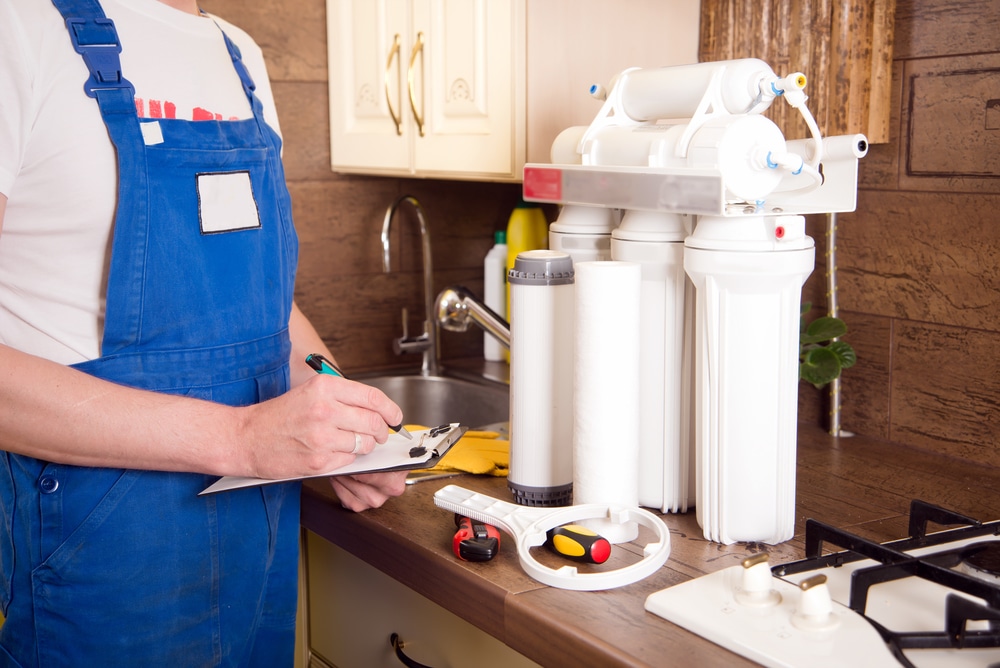
Understanding the Importance of Water Purifier Maintenance
As a consumer of bottled water, you may think that tap water is not suitable for drinking. However, this assumption might be misleading. Tap water can be just as contaminated as bottled water, and it’s essential to take steps to ensure its quality.
Why Maintenance is Crucial
Regular maintenance of your water purifier at home is vital to maintaining the quality of your drinking water. Over time, minerals and inorganic substances can accumulate in the pipes and pipes, affecting the taste and odor of the water. It’s not that tap water is inherently bad; it’s just that it may have picked up some impurities along the way.
The Role of Maintenance
Regular maintenance ensures that your water purifier continues to function efficiently, producing clean and safe drinking water. Without regular checks, mineral buildup can lead to clogged pipes and reduced system performance.
What Does a Water Purifier Do?
A water purifier uses various technologies such as activated carbon filters, reverse osmosis, or ultraviolet (UV) light to remove impurities from the water. It’s essential to understand how your purifier works and what maintenance tasks are required to keep it running smoothly.
The Benefits of Regular Maintenance
Regular maintenance offers several benefits, including:
- Improved taste and odor of drinking water
- Increased system efficiency
- Reduced risk of contamination
- Longer equipment lifespan
Common Issues with Water Purifiers
Some common issues that may arise with your water purifier include:
- Clogged filters
- Mineral buildup
- UV light damage
- Residue accumulation
How to Perform Maintenance Tasks
Performing regular maintenance tasks is relatively simple and can be done by following these steps:
1. Check the Filter Status
Regularly check your filter status to ensure it’s working correctly. If the filter needs to be replaced, do so immediately.
2. Clean or Replace Resin
If you have a reverse osmosis system, regular cleaning and replacement of the resin are crucial to maintain its effectiveness.
3. Inspect and Clean the UV Light
Inspect your UV light regularly for damage or buildup. Clean it as needed to ensure optimal performance.
4. Check for Mineral Buildup
Regularly check your pipes and water purifier for mineral buildup, which can lead to reduced system efficiency.
5. Run Water Purification Tests
Run regular water purification tests to ensure that the quality of the water is within acceptable limits.
Choosing the Right Maintenance Schedule
The frequency of maintenance tasks may vary depending on your specific situation and water purifier model. Here are some general guidelines:
- Check filters every 3-6 months
- Clean or replace resin every 1-2 years
- Inspect UV light every 6-12 months
Understanding the Role of Activated Carbon Filters
Activated carbon filters are a popular choice for water purifiers due to their effectiveness in removing impurities from the water. However, it’s essential to understand how activated carbon filters work and what maintenance tasks are required to keep them running smoothly.
How to Maintain Activated Carbon Filters
Maintaining activated carbon filters requires regular cleaning and replacement of the filter media. Here are some tips:
- Clean the filter by soaking it in water for several hours.
- Replace the filter every 3-6 months, depending on usage.
Understanding the Role of Reverse Osmosis Systems
Reverse osmosis systems are another popular choice for water purifiers due to their effectiveness in removing impurities from the water. However, it’s essential to understand how reverse osmosis systems work and what maintenance tasks are required to keep them running smoothly.
How to Maintain Reverse Osmosis Systems
Maintaining reverse osmosis systems requires regular cleaning and replacement of the resin. Here are some tips:
- Clean the resin by soaking it in water for several hours.
- Replace the resin every 1-2 years, depending on usage.
Understanding the Role of Ultraviolet (UV) Light
Ultraviolet (UV) light is a popular choice for water purifiers due to its effectiveness in removing impurities from the water. However, it’s essential to understand how UV light works and what maintenance tasks are required to keep it running smoothly.
How to Maintain Ultraviolet (UV) Light
Maintaining ultraviolet (UV) light requires regular inspection and cleaning of the light source. Here are some tips:
- Inspect the light source regularly for damage or buildup.
- Clean the light source as needed to ensure optimal performance.
Conclusion
In conclusion, regular maintenance of your water purifier at home is vital to maintaining the quality of your drinking water. By performing simple tasks such as checking filters, cleaning or replacing resin, and inspecting the UV light, you can ensure that your water purifier continues to function efficiently.
Frequently Asked Questions
Q: How often should I check my water purifier’s filter status?
A: Regularly check your filter status every 3-6 months.
Q: Can I clean my UV light at home?
A: Yes, but make sure to follow the manufacturer’s instructions for cleaning and maintenance.
Q: How often should I run water purification tests?
A: Run regular water purification tests every 1-2 weeks to ensure that the quality of the water is within acceptable limits.
Q: What are some common issues with water purifiers?
A: Common issues include clogged filters, mineral buildup, UV light damage, and residue accumulation.
Q: Can I perform maintenance tasks myself or should I hire a professional?
A: Depending on your level of expertise, you may be able to perform basic maintenance tasks yourself. However, more complex tasks may require the assistance of a professional plumber or water purifier technician.
Q: How can I prevent mineral buildup in my pipes and water purifier?
A: Regular cleaning and descaling of your pipes and water purifier can help prevent mineral buildup.
Q: Can I use my water purifier to remove all contaminants from the water?
A: Not always. Depending on the type of contaminant, a water purifier may not be effective in removing it. In such cases, additional treatment options may be necessary.


