
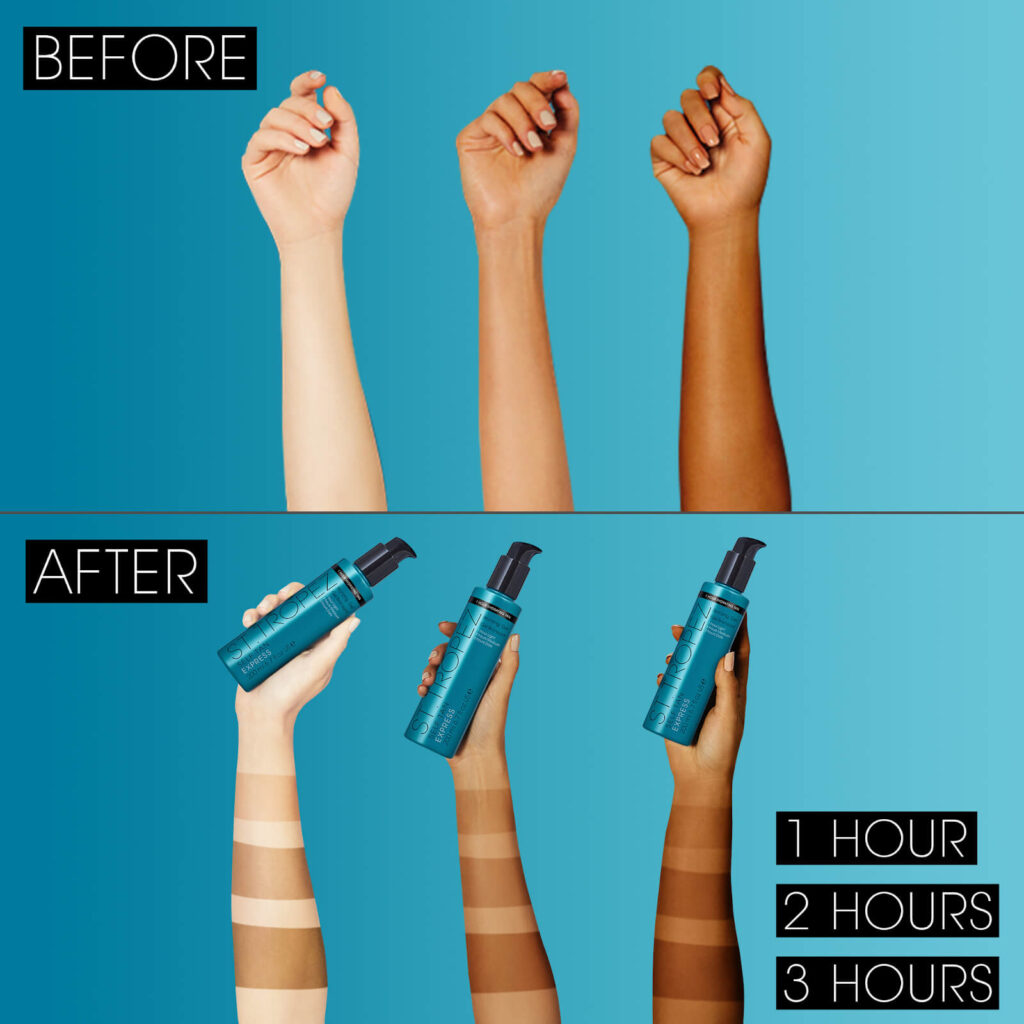
As the sun shines brightly, our skin’s natural defense mechanism kicks in. It produces more melanin, responsible for that desirable tan we all love. However, this process can be hindered by poor sun exposure habits.
How Does Tanning Work?
When you expose your skin to sunlight, it triggers a natural defense response within your body. Your skin pushes melanocytes to produce more melanin, which creates the illusion of a tan. Another mechanism at play is the stratum corneum, the top layer of your skin that helps protect you from UV rays.
The Science Behind Melanin
Melanin is a pigment produced by cells called melanocytes in the skin. When exposed to sunlight, these cells increase their production of melanin, which acts as a natural sunscreen. The amount and type of melanin produced can vary depending on factors such as ethnicity, age, and geographic location.
Types of Melanin
There are two main types of melanin: eumelanin and pheomelanin. Eumelanin is responsible for brown and black pigmentation, while pheomelanin produces red and yellow pigmentation. The combination and concentration of these melanins determine an individual’s skin color.
Why Protect Your Skin?
While our bodies have an innate ability to shield us from harmful UV radiation, this protection isn’t always enough. Prolonged exposure without proper precautions can lead to severe consequences, including:
• Premature aging
• Sun spots and hyperpigmentation
• Redness and blisters (erythema)
• Skin cancer (melanoma)
The Risks of Tanning
Tanning is a major risk factor for skin cancer, particularly melanoma, the deadliest form of the disease. According to the American Academy of Dermatology, individuals who tan are more likely to develop skin cancer than those who do not.
Counterindications: Debunking Common Myths
Don’t let a lack of sun exposure knowledge hold you back from enjoying the sun. By following these guidelines, you can ensure your health and safety while still getting that perfect tan.
Preparing Your Skin
Before heading out into the sun, prepare your skin with a deep exfoliation at least 24-48 hours in advance. This will remove dead skin cells and allow your skin to breathe. Use natural ingredients like honey and sugar cane syrup for an effective scrub. Don’t forget to moisturize after exfoliating.
Timing is Everything
Be mindful of the time of day when you plan to expose yourself to the sun. Avoid spending too much time between 12 pm and 4 pm, as this is the peak UV radiation period. If you’re not used to being in the sun, take extra precautions.
Why Choose Early Morning or Late Afternoon Sun
Opting for early morning or late afternoon sun exposure can help minimize your risk of skin damage. The sun’s rays are gentler during these periods, and you’ll still get a beautiful tan without excessive UV radiation.
Sun Protection: The Key to a Healthy Tan
When it comes to protecting your skin from the sun’s harmful rays, choose a broad-spectrum sunscreen with an SPF of at least 50. This will help prevent premature aging and skin damage.
What to Look for in a Sunscreen
When selecting a sunscreen, consider the following factors:
• Broad-spectrum protection: Ensure the sunscreen protects against both UVA and UVB radiation.
• High SPF: Choose a sunscreen with an SPF of at least 50 for optimal protection.
• Water-resistance: Opt for a water-resistant sunscreen if you plan to engage in activities that may cause sweating or excessive moisture.
Nutrition Matters
A well-balanced diet rich in antioxidants is essential for maintaining healthy, glowing skin. Include foods high in beta-carotene and vitamin A in your diet to boost melanin production.
Foods That Boost Melanin Production
Incorporate these antioxidant-rich foods into your diet:
• Berries (blueberries, raspberries, strawberries)
• Leafy greens (spinach, kale, collard greens)
• Nuts and seeds (almonds, sunflower seeds, pumpkin seeds)
• Fatty fish (salmon, tuna, mackerel)
Don’t Overdo It
It’s tempting to rush the tanning process, but patience is key. Gradually increase your sun exposure time over the course of several days. This will help your skin adjust to the UV rays without risking damage.
What Are the Signs of Overexposure?
Watch for these signs of overexposure:
• Redness and irritation
• Burning sensation
• Blistering or peeling
• Numbness or tingling
Hydrate and Stay Safe
Drink plenty of water to stay hydrated, especially when spending time outdoors in the sun. Aim for at least 2-3 liters of water a day, and be mindful of dehydration symptoms like dizziness and headaches.
Tips for Staying Safe
To ensure your skin stays healthy and protected:
• Wear protective clothing (wide-brimmed hats, sunglasses)
• Seek shade when spending time outdoors
• Avoid tanning beds and artificial UV radiation sources
Frequently Asked Questions
- How often should I exfoliate my skin?
Aim for once a month to remove dead skin cells and promote healthy skin. - Can I use self-tanning products instead of sun exposure?
While self-tanning products can provide a temporary tan, they don’t offer the same benefits as natural sun exposure. - How do I know if I have sunburn or erythema?
If you experience redness, itching, and blisters after spending time in the sun, seek medical attention to rule out skin cancer. - Can I get a tan on cloudy days?
While it’s possible to get some UV rays on cloudy days, it’s still important to take precautions and wear protective clothing. - Are there any natural ways to prevent premature aging?
Yes, include antioxidant-rich foods in your diet, like berries, leafy greens, and nuts, to help combat free radicals that cause skin damage. - Can I get a tan without using sunscreen?
No, it’s crucial to use sunscreen with at least SPF 50 to protect your skin from the sun’s harmful rays. - How do I choose the right sunscreen for my skin type?
Look for broad-spectrum sunscreens labeled “non-comedogenic” or “oil-free” to suit your skin needs.
By following these guidelines, you can enjoy a healthy, sun-kissed glow without compromising your health. Remember, a tan is just as important as protecting your skin from the sun’s damaging rays.


