
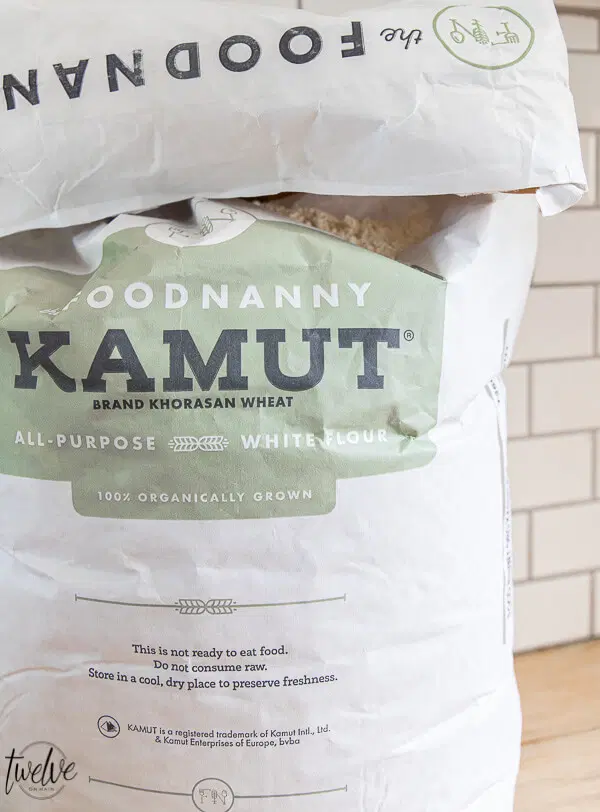
Kamut flour, also known as Khorasan wheat, is a type of ancient grain that has gained popularity in recent years due to its high nutritional value and unique properties. In this article, we will explore the benefits of Kamut flour, its production process, nutritional values, and uses in cooking.
What is Kamut Flour?
Kamut flour is a type of flour made from the Khorasan wheat, an ancient grain that originated in Egypt over 4,000 years ago. The grain is harvested after it has matured, which allows for a higher protein content and better nutrient retention compared to modern wheat varieties. In recent years, Kamut International, a company based in California, USA, has introduced Kamut flour to the market, making it available to consumers.
Nutritional Value of Kamut Flour
According to the USDA Nutrient Database, 100 grams of Kamut flour contain:
- Calories: 337 kcal
- Carbohydrates: 70.38 g
- Fat: 2.2 g
- Protein: 14.7 g
- Vitamin B1: 0.591 mg
- Vitamin B2: 0.178 mg
- Vitamin B3: 6.35 mg
- Vitamin B5: 0.9 mg
- Vitamin B6: 0.225 mg
- Vitamin E: 0.6 mg
- Minerals:
- Iron: 4.41 mg
- Magnesium: 134 mg
- Manganese: 2.86 mg
- Phosphorus: 386 mg
- Potassium: 446 mg
- Zinc: 3.68 mg
- Water content: 10.95 g
Kamut flour is rich in nutrients, including fiber, vitamins, and minerals, making it a healthier alternative to modern wheat flour.
Differences between Kamut Flour and All-Purpose Flour
The main differences between Kamut flour and all-purpose flour are:
- Grain type: Kamut is a hard red winter wheat, while modern wheat is typically soft white or bread wheat.
- Protein content: Kamut contains more protein (14.7g per 100g) than modern wheat (10-12g per 100g).
- Gluten content: Kamut has a higher gluten content than modern wheat, making it better suited for artisanal breads and pastries.
- Nutrient profile: Kamut contains more vitamins, minerals, and antioxidants than modern wheat.
Uses of Kamut Flour
Kamut flour can be used in various recipes, including:
- Baked goods (cakes, cookies, muffins)
- Bread and pastry dough
- Pasta and pizza crusts
- Pancakes and waffles
- Salads and vegetable dishes
Kamut flour is also a great substitute for gluten-free flours due to its higher protein content.
Benefits of Using Kamut Flour
- Improved digestion: Kamut flour contains more fiber than modern wheat, which can help with digestion.
- Increased energy: The high protein content in Kamut flour can provide sustained energy levels.
- Better nutrient profile: Kamut flour is rich in vitamins, minerals, and antioxidants, making it a healthier choice for bakers and cooks.
- Artisanal breads and pastries: Kamut flour’s higher gluten content makes it ideal for artisanal breads and pastries.
Where to Buy Kamut Flour
Kamut flour is widely available in health food stores and online retailers. Look for certified organic or non-GMO products to ensure authenticity. Some popular brands include Kamut International, Bob’s Red Mill, and King Arthur Flour.
Tips for Using Kamut Flour
- Start with small batches: Begin with small batches to get a feel for working with Kamut flour.
- Use it in place of all-purpose flour: Substitute Kamut flour for up to 50% of the total flour in recipes.
- Adjust liquid content: Due to its coarser texture, Kamut flour may require more liquid than modern wheat flour.
Growing Your Own Kamut Wheat
Yes, Kamut wheat can be grown at home! However, it requires specific climate and soil conditions. It’s essential to research the growing requirements and ensure that you’re in an area with suitable climate conditions.
Conclusion
Kamut flour is a nutritious and versatile ingredient that offers numerous benefits for bakers and cooks alike. Its high protein content, unique nutrient profile, and better gluten structure make it an excellent choice for artisanal breads, pastries, and baked goods.
By incorporating Kamut flour into your baking routine, you can improve the nutritional value of your baked goods and enjoy the rich flavor and texture that this ancient grain has to offer.
Frequently Asked Questions (FAQs)
- What is Kamut flour?
Kamut flour is a type of flour made from the Khorasan wheat, an ancient grain that originated in Egypt over 4,000 years ago. - Is Kamut flour gluten-free?
No, Kamut flour contains gluten, making it unsuitable for individuals with celiac disease or gluten intolerance. - Can I use Kamut flour as a 1:1 substitute for all-purpose flour?
Not recommended. Kamut flour has a higher protein content and different nutrient profile than modern wheat flour. - How do I store Kamut flour?
Store Kamut flour in an airtight container at room temperature or in the refrigerator to maintain its freshness. -
Can I grow my own Kamut wheat?
Yes, Kamut wheat can be grown at home, but it requires specific climate and soil conditions. -
Is Kamut flour more expensive than all-purpose flour?
Generally, yes. Kamut flour is pricier due to its lower yields and organic production methods. -
Can I use Kamut flour for pasta or pizza crusts?
Yes, Kamut flour can be used to make delicious homemade pasta and pizza crusts with better nutritional profiles. -
Is Kamut flour suitable for vegan diets?
While Kamut flour is a whole grain, it may not be suitable for vegans who also consume honey or other animal-derived products. -
Can I use Kamut flour in bread machines?
Yes, Kamut flour can be used in bread machines, but you may need to adjust the liquid content and yeast amount due to its coarser texture. -
Is Kamut flour suitable for baking with yeast?
Yes, Kamut flour is suitable for baking with yeast, but you may need to adjust the yeast amount and rising time due to its higher gluten content. -
Can I use Kamut flour as a substitute for whole wheat flour?
Not recommended. While both Kamut flour and whole wheat flour are whole grains, they have different protein contents and nutrient profiles. -
How do I grind my own Kamut flour?
You can grind your own Kamut flour at home using a grain mill or food processor. -
Can I use Kamut flour as a thickening agent?
Yes, Kamut flour can be used as a thickening agent in sauces and soups due to its high starch content. -
Is Kamut flour suitable for baking with nuts?
Yes, Kamut flour is suitable for baking with nuts, but you may need to adjust the liquid content and yeast amount due to its coarser texture. -
Can I use Kamut flour as a substitute for oat flour?
Not recommended. While both Kamut flour and oat flour are whole grains, they have different protein contents and nutrient profiles.
By following these tips and FAQs, you can unlock the full potential of Kamut flour in your baking routine and enjoy the benefits of this ancient grain.


