
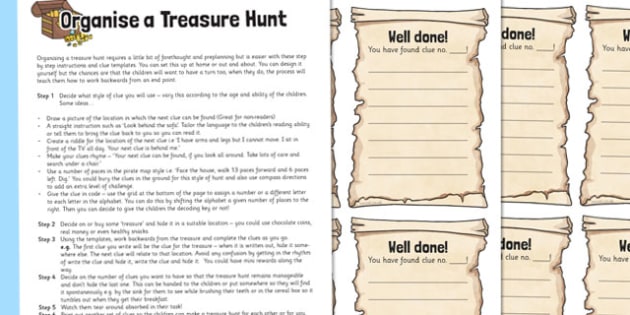
Have you ever thought of organizing a treasure hunt with your friends? It could be a very entertaining idea: often during parties, the treasure hunt is organized to engage children in a dynamic and lively game, but adults also enjoy it as a way to spend time together.
What is a Treasure Hunt?
A treasure hunt is a game that typically takes place outdoors, where participants have the task of recovering a series of clues or objects in order to reach the hidden prize. It can be played individually or in teams. It’s certainly an opportunity for social bonding and fun, but also for strategy and friendly competition, which appeals to both children and adults.
History of Treasure Hunts
Treasure hunts have been around for centuries and are believed to have originated from the stories of pirates who hid their treasure on various islands. The game has evolved over time, becoming more sophisticated with modern technology and creative ways to hide clues.
Types of Treasure Hunts
There are many types of treasure hunts available, catering to different age ranges and skill levels. Some popular types include:
- Classic Treasure Hunt: A traditional treasure hunt where participants follow a series of clues to find the hidden treasure.
- Themed Treasure Hunt: A treasure hunt with a specific theme, such as a pirate’s adventure or a mystery to solve.
- Scavenger Hunt: A type of treasure hunt where participants have to find and collect items on a list.
How to Organize a Treasure Hunt
Materials needed
- The treasure
- A treasure map
- Index cards for writing clues
- Teams or individual players: the choice of playing in teams or as individuals depends mainly on the number of participants. If there are few, it’s better to play individually, while if there are six, you can make two teams.
The person organizing the hunt must first come up with the clues and choose the level of difficulty based on the age range of the players.
The clues should be written on index cards and placed along a path that will lead to the final destination.
Planning the Treasure Hunt
Before starting the hunt, it’s necessary to decide on the objective of the game: the treasure. It can be a single object, such as a chest filled with gold coins or a small treasure box. The path: each player will receive an initial clue from the organizers, which will lead them to a specific path with more clues. The first clue will consist of the Treasure Map: this will only show the general route (the total number of clues) and another clue that starts the chain of puzzles.
Solving the Clues
Once all the clues have been solved, you’ll reach the discovery of the treasure, which in fact declares the winning player or team. The treasure can be a box of cookies or chocolates to distribute among everyone, as the treasure is just an excuse for having fun together.
The Treasure Hunt Online
The web offers various online treasure hunts every day, allowing hundreds of people to participate without leaving home. In this case, different teams actively participate in the hunt by providing their own contributions to solving the various puzzles presented at different times.
Treasure Hunts with a Thematic Approach
There are structures that organize themed treasure hunts, such as those recreating life in the old west or set in a hypothetical future. In this case, elaborate sets are created to immerse participants in the atmosphere intended by the organizers.
The Treasure Hunt and Children
Through this game, it’s possible for children to learn the value of friendship, cooperation, and mutual help, as well as develop critical thinking skills and problem-solving. Children can also enjoy the excitement and thrill of solving puzzles and finding hidden objects.
Children with disabilities or special needs can participate in treasure hunts if they are given appropriate accommodations and assistance. Adaptations can be made to make the game more accessible for everyone.
Tips for Organizing a Treasure Hunt
- Start by deciding on the level of difficulty based on your child’s age and skill level.
- Divide players into teams of two or three people, depending on the number of participants.
- Choose riddles that are challenging but not too difficult for your participants.
- Use digital tools like GPS or QR codes to help participants navigate the path.
Benefits of Treasure Hunts
Treasure hunts offer several benefits for participants of all ages. Some of the most significant advantages include:
- Social bonding: Treasure hunts can bring people together and foster a sense of camaraderie among team members.
- Critical thinking skills: Solving puzzles and clues requires critical thinking, problem-solving, and creativity.
- Physical activity: Many treasure hunts involve physical activity, such as walking or hiking, which can improve overall health and fitness.
- Teamwork: Treasure hunts encourage teamwork, communication, and cooperation among participants.
Best Practices for Organizing a Treasure Hunt
When organizing a treasure hunt, it’s essential to follow these best practices:
- Plan ahead: Prepare the clues and puzzles in advance to ensure that everything runs smoothly during the game.
- Make it challenging but not too difficult: The level of difficulty should be adjusted based on the age range of participants to ensure everyone has fun.
- Use clear language: Ensure that all clues and instructions are clearly written and easy to understand for all participants.
- Provide necessary equipment: Make sure participants have access to any necessary tools or equipment, such as GPS devices or pens.
Conclusion
Organizing a treasure hunt can be a fun and rewarding experience for people of all ages. By following the steps outlined above and considering the different types of treasure hunts available, you can create an exciting and challenging game that everyone will enjoy.


