
Are you one of the millions of people worldwide who suffers from stomach issues? Do you find yourself experiencing bloating, discomfort, and digestive problems after meals? You’re not alone. In this article, we’ll explore the causes of stomach issues, how to identify them, and most importantly, how to alleviate them.
The Prevalence of Stomach Issues
According to recent statistics, approximately 20-40% of Italians suffer from stomach issues, affecting around 12-24 million people. This number is staggering, and it’s essential to understand the underlying causes to address this common problem.
The Role of Poor Eating Habits in Stomach Issues
In most cases, poor eating habits are the primary cause of stomach issues. The first step towards resolving these problems is to change your diet. Focus on making your meals easier to digest by following a few simple guidelines.
Optimizing Mastication: The Key to Better Digestion
Masticating, or chewing, your food thoroughly is crucial for proper digestion. When you don’t chew your food enough, it can lead to digestive problems and discomfort. Try to break down each bite into smaller pieces before swallowing.
Simplifying Meal Structure
To simplify your meals, focus on whole foods like carbohydrates (pasta, rice, cereals, soups), proteins (fresh cheeses, eggs, fish), and vegetables. Include a variety of cooked and raw vegetables in every meal to ensure you’re getting the necessary nutrients.
Avoiding Common Culprits
There are certain foods that can exacerbate stomach issues. Avoid or limit your consumption of:
• Processed meats
• Canned goods
• Fried foods
• Sugary snacks
• Dairy products with high lactose content
By eliminating these common culprits from your diet, you’ll be taking a significant step towards alleviating your stomach issues.
The Power of Specific Foods
Certain foods have been shown to have beneficial effects on digestion and overall health. Some of the most effective include:
Ricotta: A Soothing Digestive Aid
Ricotta is a type of cheese that’s particularly easy to digest due to its low acidity level. This makes it an excellent choice for those with stomach issues, as it can help reduce inflammation and soothe the digestive tract.
Carrots: A Natural Anti-Inflammatory
Carrots are rich in carotenoids, which have potent anti-inflammatory properties. Consuming carrots raw or cooked can help alleviate stomach discomfort and promote overall health.
Kale: The Digestive Superfood
Kale is a leafy green that’s packed with nutrients and has natural anti-inflammatory properties. It can help soothe the digestive tract and promote healing in cases of stomach issues.
Chamomile: A Calming Digestive Aid
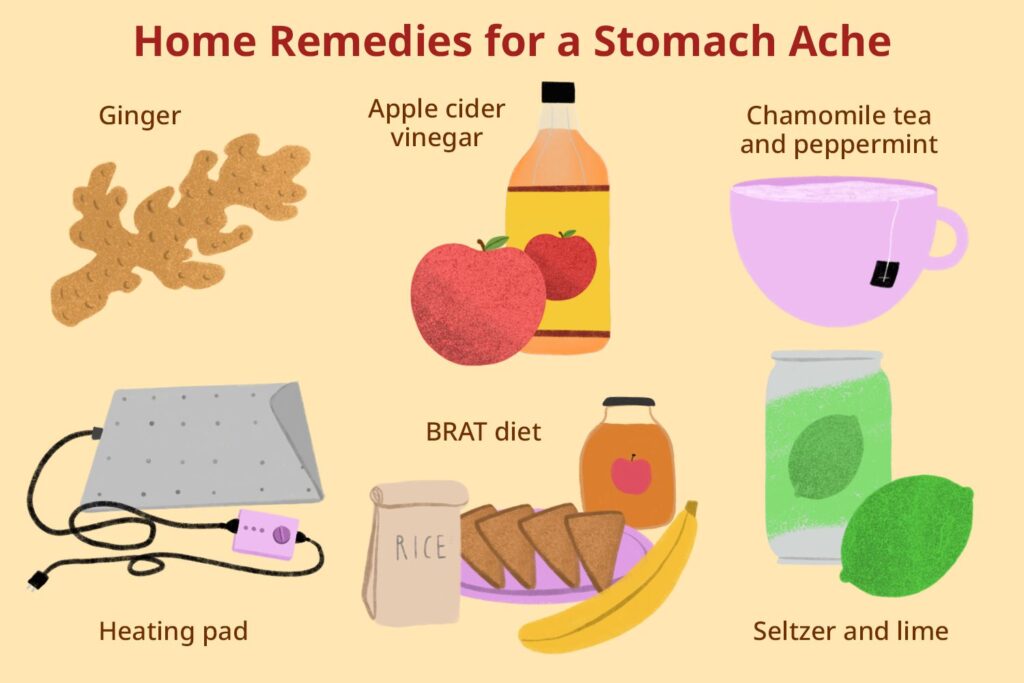
Chamomile tea or supplements have been shown to have antispasmodic effects, which can help alleviate stomach discomfort and promote relaxation.
Understanding Stomach Issues: Common Causes
Stomach issues are often caused by a combination of factors, including diet, lifestyle, and environmental influences. Here are some common causes of stomach problems:
Food Intolerance
Food intolerance occurs when your body is unable to break down certain foods or their components. This can lead to digestive problems and discomfort.
Gut Bacteria Imbalance
An imbalance of gut bacteria can disrupt digestion and lead to a range of symptoms, including bloating, gas, and stomach pain.
Stress and Anxiety
Stress and anxiety can cause muscle tension in the abdomen, leading to cramps, bloating, and other digestive issues.
Hormonal Changes
Hormonal fluctuations during menstruation, pregnancy, or menopause can affect digestion and lead to stomach problems.
Identifying Stomach Issues
Determining whether you have a stomach issue can be challenging. However, there are some common signs and symptoms to look out for:
• Bloating and discomfort after meals
• Persistent nausea and vomiting
• Abdominal pain or cramps
• Diarrhea or constipation
• Loss of appetite
If you’re experiencing any of these symptoms, it’s essential to consult with a healthcare professional for proper diagnosis and treatment.
Natural Remedies for Stomach Issues
While medication may be necessary in some cases, there are also several natural remedies that can help alleviate stomach issues. Some effective options include:
Ginger: A Digestive Soother
Ginger has anti-inflammatory properties that can help reduce nausea and inflammation in the digestive tract.
Probiotics: Beneficial Gut Bacteria
Probiotics can help restore a healthy balance of gut bacteria, promoting digestion and overall health.
Peppermint Oil: A Natural Anti-Inflammatory
Peppermint oil has antispasmodic effects that can help relax the muscles in the digestive tract, reducing cramps and discomfort.
Preventing Stomach Issues
While it’s impossible to completely prevent stomach issues, there are some steps you can take to reduce your risk:
Maintain a Balanced Diet
Eat a variety of whole foods, including fruits, vegetables, lean proteins, and whole grains.
Stay Hydrated
Drink plenty of water throughout the day to help digestion and prevent constipation.
Manage Stress
Practice stress-reducing techniques like meditation, yoga, or deep breathing exercises.
Get Regular Exercise
Regular physical activity can help improve digestion and overall health.
Conclusion
Understanding the causes of stomach issues is crucial for finding effective solutions. By making simple changes to your diet, avoiding common culprits, incorporating specific foods into your meals, and taking advantage of natural remedies, you can start alleviating your symptoms and promoting overall health.
Frequently Asked Questions
- What are the most common signs of stomach issues?
- How can I improve my digestion without surgery or medication?
- Can I use over-the-counter medications to alleviate stomach issues, and if so, which ones are best?
- Are there any natural remedies that can help soothe a sore stomach?
- How often should I eat to maintain optimal digestive health?
- What are some common dietary restrictions or recommendations for people with stomach issues?
- Can stress contribute to stomach issues, and if so, how can I manage my stress levels?
- Are there any specific foods that can exacerbate stomach issues in certain individuals?


