
Introduction
When we think of animal raising, we often associate it with large-scale farming operations that prioritize efficiency and productivity over animal welfare. However, this approach has severe environmental consequences that warrant closer examination. In this article, we will delve into the world of industrial animal raising, exploring its impact on the environment and why it’s essential to adopt more sustainable practices.
The Rise of Industrial Animal Raising
Industrial animal raising, also known as intensive or industrial farming, aims to produce the highest quantity of product at the lowest cost. This approach involves using minimal space, specialized machinery, and artificial feed to raise animals for meat, dairy, and eggs. Unfortunately, this method has led to alarming environmental degradation.
The Statistics are Alarming
Consider the following statistics:
- In the 1990s, animal agriculture accounted for around 170 million tons of greenhouse gas emissions per year.
- By 2011, this number had skyrocketed to 297 million tons.
- Today, the global livestock sector is responsible for approximately 14.5% of global greenhouse gas emissions.
The Consequences of Industrial Animal Raising
Industrial animal raising has severe environmental consequences, including:
- Water Pollution: The production of animal feed requires massive amounts of water, which often ends up in wastewater treatment plants or directly into waterways. This can lead to the destruction of aquatic ecosystems and even death of marine life.
- Air Pollution: The livestock industry is a significant contributor to air pollution, primarily through the release of ammonia from manure and other nitrogenous compounds.
- Soil Degradation: The use of fertilizers and pesticides in industrial animal farming can lead to soil degradation, reducing its fertility and overall health.
The Human Cost
Industrial animal raising also has devastating effects on human health. The consumption of meat from factory-farmed animals increases the risk of:
- Antibiotic Resistance: The overuse of antibiotics in industrial animal farming has led to the development of antibiotic-resistant bacteria, making it challenging to treat diseases.
- Waterborne Illnesses: Drinking water contaminated with animal waste can lead to waterborne illnesses, such as cholera and typhoid fever.
The Impact on Biodiversity
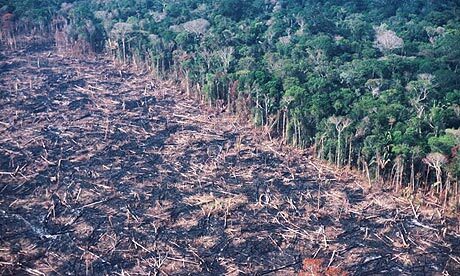
Industrial animal raising also contributes to biodiversity loss. The widespread use of pesticides and herbicides in industrial farming has led to the destruction of natural habitats and the decline of wildlife populations.
A New Path Forward
As consumers, we have the power to demand change. By choosing sustainable, locally sourced meat and dairy products, we can reduce our environmental footprint and support more humane farming practices.
Conclusion
Industrial animal raising is a pressing issue that requires immediate attention. By understanding its environmental impacts and adopting more sustainable practices, we can work towards creating a better future for both humans and the planet.
Frequently Asked Questions (FAQs)
- What are the main environmental impacts of industrial animal raising?
- Water pollution, air pollution, soil degradation, loss of biodiversity.
- How does industrial animal farming contribute to climate change?
- The livestock sector is responsible for approximately 14.5% of global greenhouse gas emissions.
- Can I still get healthy meat from factory-farmed animals?
- No, consuming meat from factory-farmed animals increases the risk of antibiotic resistance and waterborne illnesses.
- What are some alternatives to industrial animal farming?
- Choose sustainable, locally sourced meat and dairy products, support regenerative agriculture, adopt a plant-based diet.
- Can I make a difference by choosing what I eat?
- Yes, as consumers we have the power to demand change and create a better future for both humans and the planet.
Solutions
- Regenerative Agriculture: Regenerative agriculture is an approach that prioritizes soil health, biodiversity, and ecosystem services. By adopting regenerative practices, farmers can reduce their environmental impact while improving soil fertility.
- Plant-Based Diet: A plant-based diet is one of the most effective ways to reduce your environmental footprint. Plant-based diets require less land, water, and energy than animal agriculture.
- Support Local Farmers: By choosing locally sourced meat and dairy products, you can support small-scale farmers who prioritize sustainability and animal welfare.
Conclusion
Industrial animal raising is a pressing issue that requires immediate attention. By understanding its environmental impacts and adopting more sustainable practices, we can work towards creating a better future for both humans and the planet.


