
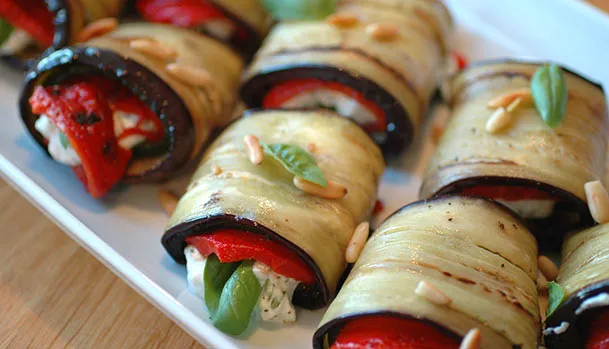
As the world becomes increasingly health-conscious, people are looking for ways to enjoy their favorite dishes without sacrificing flavor or nutrition. One such option is stuffed vegetables, a dish that has been around for centuries but has gained popularity in recent years due to its versatility and nutritional benefits.
What are Stuffed Vegetables?
Stuffed vegetables, also known as wrapped or filled vegetables, refer to a type of dish where vegetables are hollowed out and filled with a mixture of ingredients, often including grains, legumes, and spices. The vegetables are then cooked until the filling is tender and the flavors have melded together.
The Benefits of Stuffed Vegetables
Stuffed vegetables offer several health benefits that make them an attractive option for those looking to eat healthier. Here are some of the key advantages:
- High in Fiber: Stuffed vegetables are a great source of fiber, which can help lower cholesterol levels and promote digestive health.
- Low in Calories: Many stuffed vegetable recipes are low in calories, making them an excellent option for those watching their weight or following a calorie-restricted diet.
- Rich in Vitamins and Minerals: Vegetables are rich in vitamins and minerals, and when paired with grains and legumes, they become an even more nutritious meal option.
Types of Stuffed Vegetables
There are numerous types of stuffed vegetables to try, each with its unique flavor profile and texture. Here are some popular varieties:
- Zucchini Boats: Hollowed out zucchinis filled with a mixture of ricotta cheese, spinach, and Parmesan.
- Eggplant Rolls: Thinly sliced eggplants rolled with a filling of turkey, breadcrumbs, and spices.
- Carrot and Pea Stuffed Bell Peppers: Bell peppers filled with a mixture of cooked carrots, peas, and quinoa.
Nutritional Breakdown
Stuffed vegetables are not only delicious but also packed with nutrients. Here’s a breakdown of the nutritional benefits:
- Protein Content: Legumes, such as beans and lentils, provide a good source of protein.
- Vitamin C: Vegetables like bell peppers and tomatoes are rich in vitamin C, an essential antioxidant.
- Calcium: Cheese and dairy products add calcium to the filling.
Tips for Choosing the Right Vegetable
When selecting vegetables for stuffing, consider factors like texture, flavor, and nutrient content. Here are some tips:
- Texture: Choose firm, crisp vegetables that can hold their shape when filled.
- Flavor: Select vegetables with a mild flavor that won’t overpower the filling.
- Nutrient Content: Opt for vegetables rich in vitamins, minerals, and antioxidants.
Common Mistakes to Avoid
When preparing stuffed vegetables, avoid common mistakes like overfilling, undercooking, or using low-quality ingredients. Here are some tips:
- Overfilling: Leave enough room for the filling to expand during cooking.
- Undercooking: Ensure the filling is cooked through and tender before serving.
- Low-Quality Ingredients: Use fresh, high-quality ingredients to ensure the best flavor and nutritional benefits.
Variations and Creativity
Stuffed vegetables offer endless possibilities for creative variations. Here are some ideas:
- Global Inspirations: Try stuffing vegetables with international flavors like Korean kimchi or Indian spices.
- Vegan Options: Use plant-based alternatives like tofu, tempeh, or seitan for a meat-free option.
- Breakfast Stuffed Vegetables: Add eggs, cheese, and herbs to create a delicious breakfast dish.
Recipe Ideas
Here are some recipe ideas to get you started:
- Stuffed Zucchini Boats with Ricotta Cheese
- Eggplant Rolls with Turkey and Breadcrumbs
- Carrot and Pea Stuffed Bell Peppers with Quinoa
By following these tips, techniques, and recipe ideas, you’ll be well on your way to creating delicious and nutritious stuffed vegetables that will become a staple in your kitchen. Experiment with different flavors, ingredients, and cooking methods to find the perfect combination for your taste buds.
Conclusion
Stuffed vegetables are an excellent option for those looking to enjoy healthy and flavorful meals. With so many varieties to try and numerous ways to customize your filling, you’re sure to find a recipe that suits your taste preferences. So why not give stuffed vegetables a try today?
Frequently Asked Questions
Q: What is the healthiest type of vegetable to stuff?
A: The healthiest type of vegetable to stuff depends on your dietary needs and preferences. However, zucchini and carrots are excellent options due to their high water content and nutritional value.
Q: Can I use leftover vegetables in my stuffing?
A: Absolutely! Using leftover vegetables is an excellent way to reduce food waste and create a delicious and nutritious filling.
Q: What is the best type of grain to use in stuffed vegetables?
A: Quinoa, brown rice, and whole wheat are excellent options for adding more fiber and nutrients to your filling.
Q: Can I add meat or cheese to my stuffing?
A: Yes, you can definitely add meat or cheese to your stuffing. Just be mindful of the calorie content and choose leaner protein sources whenever possible.
Q: How do I cook stuffed vegetables in the oven?
A: Preheat your oven to 375°F (190°C). Fill the hollowed-out vegetable with your chosen filling, cover it with foil, and bake for about 30-40 minutes or until the filling is tender.
Q: Can I make stuffed vegetables on the stovetop?
A: Yes, you can definitely cook stuffed vegetables on the stovetop. Simply place them in a pan with some oil, cover it with a lid, and simmer for about 20-30 minutes or until the filling is tender.


