
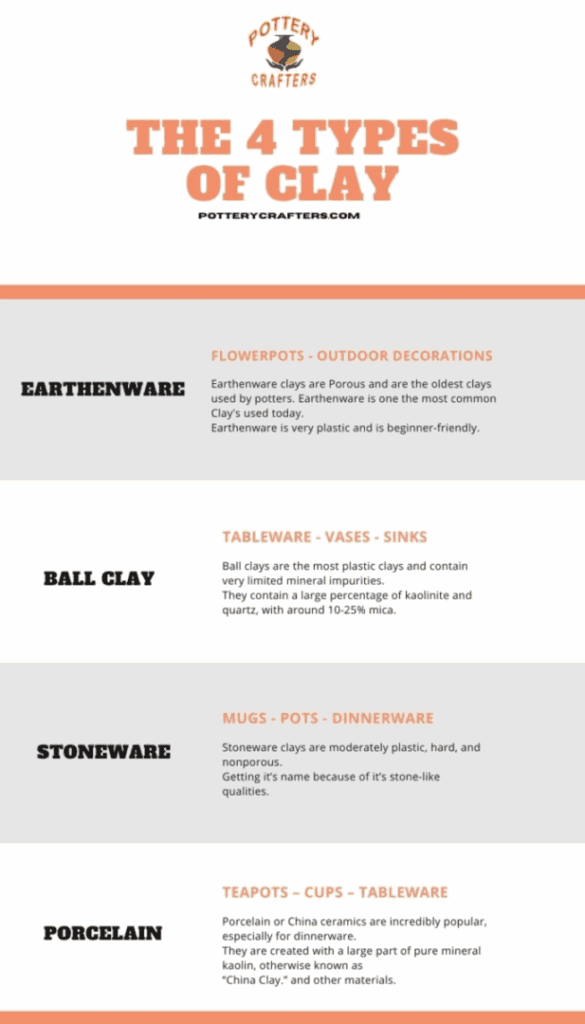
The Different Types of Clay: Understanding Their Properties
Clay is a complex mixture of mineral systems, with the primary element being silicate of aluminum. The type of clay is determined by the predominance of minerals present in the system, resulting in distinct colors and properties.
In this article, we will explore the different types of clay available and their unique characteristics.
What is Clay?
Defining clay from a chemical perspective is challenging, as no deposit of clay has the same composition. The minerals present in clay are mixed in varying proportions, making each type of clay distinct.
Types of Clay: A Brief Overview
Clay can be classified based on its color, with various types available, including:
- Red Clay: Rich in iron and low in aluminum.
- Green Clay: Contains approximately 50% silicea and 14% aluminum.
- White Clay: Has a pH level slightly higher than neutral and exhibits ant-inflammatory properties.
- Brown Clay: Low in iron and high in aluminum.
- Green Clay: Similar to the white clay, but with additional minerals that enhance its purifying and disintoxifying effects.
- Yellow Clay (also known as Illite): Famous for its refreshing action: can be applied to the neck, spine, or legs to alleviate fatigue caused by stress or prolonged periods of inactivity.
- White Clay: Contains 60% silicea and 20% aluminum, making it suitable for sensitive skin.
- Gray Clay: Has a pH level similar to that of white clay but is more prone to absorbing oil.
Each type of clay has its unique properties and uses. Understanding these differences is crucial when choosing the right clay for your specific needs.
Curative Properties of Clay
Clay has been used as a natural remedy for various health issues, including skin conditions, digestive problems, and stress-related fatigue. The different types of clay have distinct curative properties:
- Red Clay: Anti-inflammatory, antiaromatic, and antioxidant.
- Green Clay: Antifungal, antibacterial, and anti-acidic.
- Yellow Clay: Relieves fatigue, reduces inflammation, and regulates sebum production.
- White Clay: Soothes sensitive skin, reduces inflammation, and prevents acne.
The benefits of clay are not limited to its curative properties. It can also be used as a natural exfoliant, improving the appearance and texture of the skin. When combined with other natural ingredients, clay can create powerful blends that enhance skin health and overall well-being.
Where to Buy Clay
Clay can be found in various forms and qualities at local health food stores, pharmacies, or online retailers. When purchasing clay, look for products that are ultra-ventilated or superfine to ensure optimal quality.
Here are some popular options:
- Amazon: Offers a range of high-quality clays from reputable brands.
- Health Food Stores: May carry a selection of natural clays and supplements.
- Pharmacies: Some pharmacies may carry clay products, especially those specializing in skin care or digestive health.
When shopping for clay online, be sure to check the product reviews and descriptions to ensure you’re getting a high-quality product that meets your needs.
How to Use Clay
There are several ways to use clay, depending on its type and intended use. Here are some common methods:
- Face Mask: Mix clay with water or other natural ingredients to create a paste that can be applied to the skin.
- Bath Soak: Add clay to your bath water for a relaxing and rejuvenating soak.
- Foot Soak: Use yellow clay to alleviate foot pain and fatigue.
- Digestive Aid: Mix green clay with water or other natural ingredients to create a paste that can be consumed as a digestive aid.
Tips and Precautions
When using clay, follow these tips and precautions:
- Patch Test: Before applying clay to your skin, perform a patch test to ensure you’re not allergic to the minerals present.
- Moisturize: Apply moisturizer after using clay to prevent dryness and irritation.
- Be Gentle: Be gentle when massaging clay into your skin or applying it to sensitive areas.
- Consume in Moderation: If consuming clay, do so in moderation to avoid digestive issues.
Conclusion
Clay is a versatile and natural remedy with numerous benefits for our health and well-being. Understanding the different types of clay and their properties will help you make informed decisions when choosing a product that suits your specific needs. By incorporating clay into your self-care routine, you can enjoy improved skin, digestive health, and overall well-being.
By exploring the various types of clay and their curative properties, you can harness their power to achieve optimal health and wellness. Whether used as a natural exfoliant, digestive aid, or stress-reliever, clay is an incredibly versatile tool that can enhance your quality of life in countless ways.
Frequently Asked Questions
- What is the difference between red clay and green clay?
- Red clay contains more iron and less aluminum than green clay.
- How do I use yellow clay for relief from fatigue?
- Apply a small amount of yellow clay to the affected area, massage gently, and rinse with warm water.
- Can I mix different types of clay together?
- Yes, mixing different types of clay can create unique blends that cater to specific needs or preferences.
- How often should I use clay for skin care?
- Use clay as needed, ideally once or twice a week, depending on your skin type and concerns.
- Can clay be used internally?
- Yes, some types of clay, like green clay, can be consumed as a natural remedy for digestive issues or to support detoxification.
By understanding the different types of clay and their properties, you can harness their power to achieve improved health and well-being. Whether used as a natural exfoliant, digestive aid, or stress-reliever, clay is an incredibly versatile tool that can enhance your quality of life in countless ways.



