
Introduction
The Philadelphus tree, commonly known as the angel’s flower or fiore dell’angelo, is a deciduous shrub that can grow up to three meters in height and over 200 cm in width. It belongs to the genus Philadelphus spp., with many varieties, and is one of the most popular ornamental trees.
The Meaning Behind the Name “Fiore dell’Angelo”
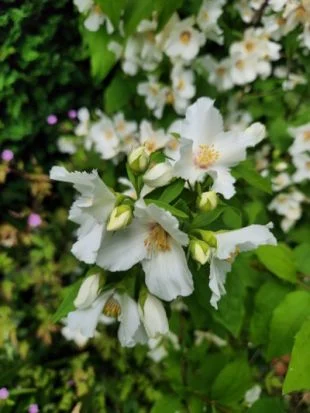
So, why is this tree called the fiore dell’angelo? Take a look at its flowers, and you’ll understand! The delicate white blooms are shaped like a cup and have four petals with golden stamens in the center. These fragrant flowers are a true delight.
The Filadelfo Tree: A Brief Overview
In this article, we will delve into the world of Philadelphus trees, covering their care requirements, cultivation methods, and more. Whether you’re a seasoned gardener or just starting out, this comprehensive guide will help you understand how to grow and maintain these beautiful trees.
Caring for Your Filadelfo Tree
To ensure your tree thrives, it’s essential to provide the right conditions during its growth phase. Here are some key care tips:
- Moderate watering: The Philadelphus tree requires moderate watering, but make sure not to overwater, as this can lead to root rot.
- Fertilization: Feed your tree with an organic fertilizer in the spring to promote healthy growth.
- Pruning: Prune your tree regularly to maintain its shape and encourage new growth.
Planting a Filadelfo Tree
Planting a Philadelphus tree can be a bit challenging, but with the right techniques, you can ensure success. Here’s a step-by-step guide:
- Prepare the soil: Before planting, prepare the soil by loosening it and adding organic matter like compost or manure.
- Dig a hole: Dig a hole that is twice as wide and just as deep as the tree’s root system.
- Plant the tree: Gently remove the tree from its container and place it in the hole, making sure the root flare (where the trunk flares out at the base of the tree) is level with the soil surface.
- Fill the hole: Fill the hole with soil, tamping it down gently as you go to prevent air pockets.
Growing Philadelphus Trees from Seed
If you’re feeling adventurous, you can try growing your Philadelphus tree from seed. Here are some tips:
- Start with fresh seeds: Use fresh seeds for best results.
- Sow seeds indoors: Sow the seeds indoors 6-8 weeks before the last frost date in your area.
- Transplant outdoors: Transplant the seedlings outdoors when they have 2-3 sets of leaves.
Multiplying Philadelphus Trees
Multiplying Philadelphus trees is a great way to share plants with friends and family or to create new varieties. Here are some methods:
- Stem cuttings: Take stem cuttings from the tree in the summer, just above a node (where a leaf meets the stem).
- Layering: Bend a branch of the tree down to the ground and secure it with a rock or a U-shaped wire.
- Division: Divide the root system of the tree by separating the roots.
Frequently Asked Questions (FAQs)
- How often should I water my Philadelphus tree?
Water your tree when the top inch of soil feels dry to the touch. - What is the best fertilizer for Philadelphus trees?
Organic fertilizers like compost or manure are ideal for Philadelphus trees. - How often should I prune my Philadelphus tree?
Prune your tree regularly, especially in the spring to maintain its shape and encourage new growth.
Growing Conditions
Philadelphus trees prefer well-draining soil and full sun to partial shade. They can tolerate a wide range of temperatures, from -20°C to 30°C (-4°F to 86°F). However, they may require protection from extreme cold or heat waves.
Pest and Disease Management
Philadelphus trees are generally resistant to pests and diseases. However, they can be susceptible to:
- Aphids: Aphids can infest the tree’s leaves and flowers.
- Root rot: Root rot can occur if the tree is overwatered or has poor drainage.
- Powdery mildew: Powdery mildew can infect the tree’s leaves and stems.
By following these care tips, growing conditions, pest and disease management, and frequently asked questions, you can help your Philadelphus tree grow strong and healthy. Remember to provide adequate sunlight, water, and nutrients, and prune regularly to maintain its shape and encourage new growth.
Conclusion
In conclusion, the Philadelphus tree is a beautiful and versatile ornamental tree that can add charm to any garden or landscape. With proper care and maintenance, it can thrive in a variety of conditions. Whether you’re a seasoned gardener or just starting out, this comprehensive guide has provided you with the information you need to grow and maintain your Philadelphus tree.
By following these care tips, growing conditions, pest and disease management, and frequently asked questions, you can help your Philadelphus tree grow strong and healthy. Remember to provide adequate sunlight, water, and nutrients, and prune regularly to maintain its shape and encourage new growth.


