
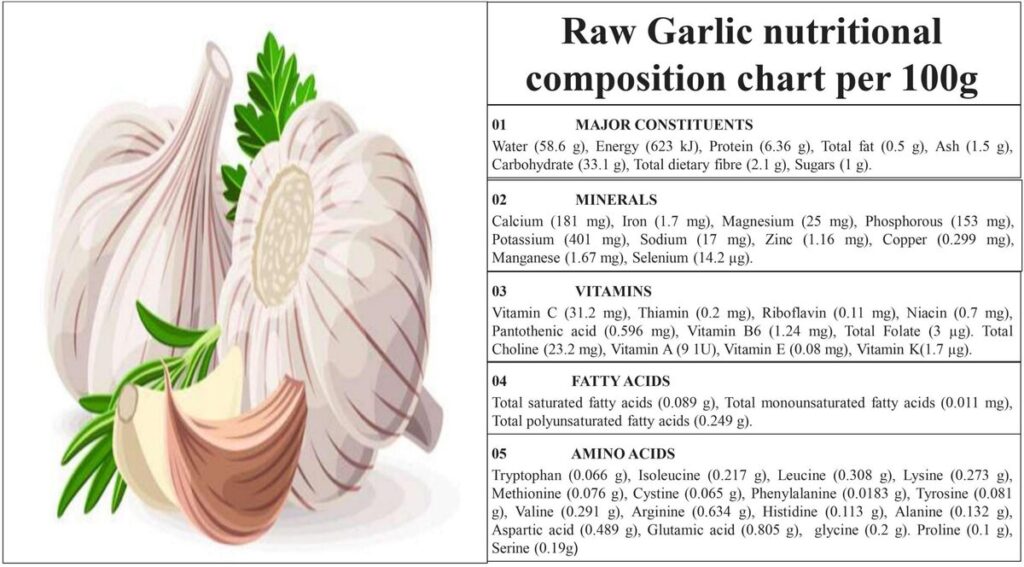
As we delve into the world of garlic, it’s essential to separate fact from fiction and understand its benefits and potential drawbacks. From ancient civilizations to modern-day research, garlic has been a trusted ally for maintaining overall health.
A Brief History of Garlic
The history of garlic dates back to 4500 BCE, when Egyptians used it in construction projects for the pyramid builders. Later, Pliny the Elder (23-79 CE) extolled its benefits in treating respiratory issues, toothaches, and intestinal parasites. Today, with advancements in research, we have a better understanding of garlic’s properties.
The Heart Health Benefits of Garlic
Garlic has been shown to have a positive impact on heart health through various studies. Its effects on blood pressure, cholesterol levels, and blood clotting have yielded promising results. A study published over four months found significant reductions in colesterolemia and triglyceridemia, indicating that garlic may be an effective natural remedy for managing hypertension.
The Science Behind Garlic’s Antioxidant Properties
Garlic contains powerful antioxidants that help prevent the formation of thrombi in arteries. This property is crucial in preventing conditions like atherosclerosis, heart attack, stroke, and other cardiovascular diseases. Moreover, its antioxidant properties contribute to its ability to inhibit cancer cell growth.
Does Garlic Aid in Weight Loss?
Recent studies have explored garlic’s potential effects on weight loss, but conclusive evidence remains scarce. However, it is known that garlic aids digestion and may help reduce appetite. Additionally, some research suggests that garlic may have a thermogenic effect, which can aid in weight loss when combined with a healthy diet and regular exercise.
Garlic as a Natural Disinfectant
Garlic’s antimicrobial properties make it an effective natural remedy for respiratory issues. It can be used to combat colds and flu, but high doses are necessary (typically 2-4 cloves per day), which might be too much for some individuals. Garlic can also help boost the immune system by increasing the production of white blood cells.
Potential Risks and Side Effects
While garlic is generally considered safe, there may be contraindications associated with its consumption. Individuals who have undergone surgery should avoid consuming garlic, as it can cause fluid retention. Pregnant women and breastfeeding mothers should limit their intake to avoid affecting the taste of breast milk or potentially influencing infant preferences.
How Garlic Affects the Digestive System
Garlic has been shown to aid digestion and may help reduce appetite. The active compound allicin in garlic is responsible for its digestive benefits, as it helps break down proteins and aid in nutrient absorption. Additionally, garlic may have prebiotic properties, which can help support the growth of beneficial gut bacteria.
The Benefits of Garlic for Mental Health
Garlic has also been shown to have potential benefits for mental health. The active compounds in garlic may have antidepressant effects by reducing inflammation and promoting brain-derived neurotrophic factor (BDNF). Additionally, garlic’s antimicrobial properties can help reduce the risk of infections that can exacerbate mental health conditions.
Conclusion: Garlic – A Natural Health Ally
In conclusion, garlic has been a trusted ally for maintaining overall health and well-being for centuries. Its numerous benefits make it an excellent addition to a healthy diet. However, it is crucial to be aware of potential risks and side effects, particularly when consumed in excess or as part of certain medical treatments.
Frequently Asked Questions
- What are the recommended doses of garlic?
The optimal dosage of garlic varies depending on individual needs and health goals. Consuming 1-2 cloves per day is often recommended for general health purposes. - Can garlic be used to treat specific medical conditions?
While garlic has shown promise in treating various health issues, it’s essential to consult a healthcare professional before using it as a treatment option for specific conditions. - Is garlic safe for everyone to consume?
Garlic can cause stomach upset and interact with certain medications. Pregnant women and breastfeeding mothers should exercise caution when consuming garlic. - How does garlic affect the digestive system?
Garlic has been shown to aid digestion and may help reduce appetite, although its effects on gut health are still being researched. - Can I use garlic as a natural remedy for colds and flu?
Yes, garlic’s antimicrobial properties make it an effective natural remedy for combating respiratory issues. However, high doses (typically 2-4 cloves per day) may be necessary to achieve desired results. - Are there any potential side effects associated with garlic consumption?
While generally considered safe, excessive garlic consumption can cause stomach upset and interact with certain medications.
Garlic in Cuisine
Garlic is a staple ingredient in many cuisines around the world. It adds flavor and depth to various dishes, from soups and stews to sauces and marinades. Garlic is also used as a natural preservative due to its antimicrobial properties.
Garlic in Modern Medicine
Research on garlic’s medicinal properties continues to grow, with scientists exploring its potential applications in treating various diseases. From cancer to cardiovascular disease, garlic’s active compounds may have therapeutic benefits.


