
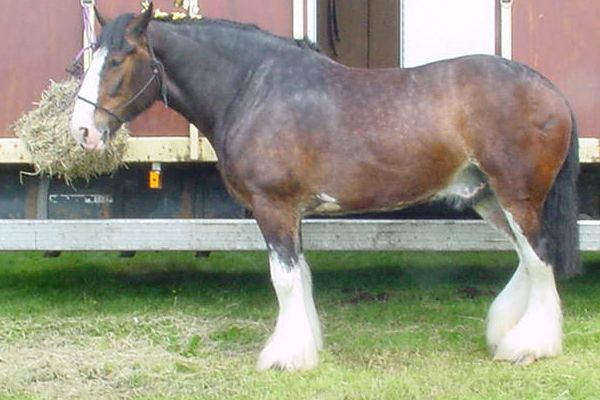
Giant draft horses are a massive and powerful breed of horses used for agricultural work and heavy transportation. These impressive animals can exceed 180 centimeters in height and weigh up to 1000 kg, making them one of the largest horse breeds in the world.
In Italy, the most widely distributed giant draft horse breed is the Italian Heavy Draft Horse (CAITPR), originating from the Venetian, Ferrarese, and Friulian plains. Giant draft horses have been selectively bred for their strength and endurance, and have been used for centuries to pull heavy loads like carts, plows, and agricultural machinery.
Despite their massive size, giant draft horses are known for being affectionate and intelligent animals that can easily learn new commands and develop strong bonds with their owners. However, due to their enormous size, they require special care and handling from experienced individuals.
History of Giant Draft Horses
Giant draft horses have a fascinating and rich history that dates back centuries. These magnificent animals were initially bred for their strength and endurance, making them ideal for heavy work like plowing fields and pulling carts.
The origins of giant draft horses can be traced back to ancient breeds of draft horses in Belgium, where they were first bred by medieval monks. Over the centuries, these horses have been crossed with other breeds like the Clydesdale and Percheron to enhance their physical characteristics and strength.
Today, giant draft horses are found all over the world and many breeds have been developed to cater to different countries’ needs. Despite their incredible history, giant draft horses continue to play an important role in agriculture and heavy transportation.
Physical Characteristics
Giant draft horses are renowned for their impressive size and strength, making them one of the largest horse breeds in the world. Stallions can reach a height of 1.75-1.85 meters and weigh between 800-1100 kg, while mares are slightly smaller, reaching a height of 1.60-1.75 meters and weighing 600-800 kg.
The coats of these horses are typically uniform in color, ranging from brown to black to bay. A distinctive white stripe on the muzzle and a white spot on the forehead are common features among giant draft horses.
Giant draft horses also have a unique muscle structure that allows them to generate immense power and strength. Their powerful legs and broad chests enable them to withstand heavy loads and sustain long periods of work without tiring.
Uses and Applications
Giant draft horses are incredibly versatile and can be used for various purposes, including agriculture, forestry, and competitions. Here are some of the primary uses and applications of these magnificent animals:
Agriculture and Forestry
- Giant draft horses have been used for centuries in agriculture and forestry due to their strength and endurance.
- They can pull heavy loads like plows, harrows, and other agricultural machinery.
- Their ability to work long hours makes them ideal for tasks like harvesting crops.
Competitions and Fairs
- Giant draft horses participate in various competitions and fairs around the world.
- These events showcase the horses’ strength, endurance, and beauty.
- Competitors train their horses to pull heavy loads over short distances, demonstrating their power and agility.
Driving and Transportation
- Giant draft horses have been used for centuries as draught animals, pulling carts, wagons, and other vehicles.
- Their incredible strength and endurance make them ideal for transporting heavy loads over long distances.
Riding and Recreational Activities
- Giant draft horses can be ridden by experienced riders, providing a unique and exhilarating experience.
- They are also used in recreational activities like trekking, horse racing, and obstacle courses.
Conclusion
Giant draft horses are an awe-inspiring sight, with their massive size and incredible strength making them one of the most impressive horse breeds in the world. From agriculture to competitions, these magnificent animals play a vital role in various industries. Despite their enormous size, giant draft horses are known for being affectionate and intelligent, making them a joy to work with.
Frequently Asked Questions
- What is the origin of giant draft horses?
Giant draft horses originated from ancient breeds of draft horses in Belgium, where they were first bred by medieval monks. - How tall can giant draft horses grow?
Stallions can reach a height of 1.75-1.85 meters and weigh between 800-1100 kg, while mares are slightly smaller, reaching a height of 1.60-1.75 meters and weighing 600-800 kg. - What is the average weight of giant draft horses?
The average weight of giant draft horses ranges from 800-1100 kg for stallions and 600-800 kg for mares. - Can giant draft horses be trained?
Yes, giant draft horses can be easily trained due to their intelligence and affectionate nature. - How long do giant draft horses live?
Giant draft horses typically live between 25-30 years, with proper care and maintenance. - Are giant draft horses suitable for beginners?
No, giant draft horses are not recommended for beginners due to their massive size and strength. - Can giant draft horses be used for recreation?
Yes, giant draft horses can be used for recreational purposes like riding and driving, but they require experienced handlers. - Are giant draft horses a popular breed among horse enthusiasts?
Yes, giant draft horses are highly sought after by horse enthusiasts due to their size, strength, and beauty.
Care and Handling
Giant draft horses require special care and handling due to their massive size and strength. Here are some tips for caring for these magnificent animals:
- Proper Nutrition: Giant draft horses require a diet rich in fiber and nutrients to maintain their massive size and strength.
- Regular Exercise: Regular exercise is essential to keep giant draft horses healthy and strong, including long periods of grazing and walking.
- Safe Housing: Giant draft horses need safe and spacious housing that can accommodate their massive size, with adequate ventilation and shelter from the elements.
- Experienced Handling: Giant draft horses require experienced handling due to their strength and temperament, requiring careful training and socialization.
Breeding and Reproduction
Giant draft horses are bred for their strength and endurance, making them one of the most popular breeds among horse enthusiasts. Here are some facts about breeding and reproduction in giant draft horses:
- Mating: Giant draft horses are typically mated between stallions and mares between 4-6 years old.
- Pregnancy: Mares typically carry a foal for approximately 11 months, with an average birth weight of 70 kg.
- Foaling: Foals are born after a gestation period of 11 months, weighing around 70 kg and standing approximately 0.5 meters at birth.
Conservation Efforts
Giant draft horses are considered a vulnerable breed due to their declining numbers and habitat loss. Here are some conservation efforts being made to protect these magnificent animals:
- Breed Preservation: Conservation efforts focus on preserving the genetic diversity of giant draft horses, through selective breeding and population management.
- Habitat Preservation: Efforts are being made to preserve the natural habitats of giant draft horses, including protected areas for grazing and shelter.
- Education and Awareness: Education and awareness programs aim to promote appreciation and understanding of these magnificent animals, their importance in agriculture and conservation.
Conclusion
Giant draft horses are an awe-inspiring sight, with their massive size and incredible strength making them one of the most impressive horse breeds in the world. From agriculture to competitions, these magnificent animals play a vital role in various industries. Despite their enormous size, giant draft horses are known for being affectionate and intelligent, making them a joy to work with.
In conclusion, giant draft horses are an extraordinary breed that requires special care and handling due to their massive size and strength. By understanding their history, physical characteristics, uses and applications, breeding and reproduction, conservation efforts, and care requirements, we can promote appreciation and protection of these magnificent animals for generations to come.


