
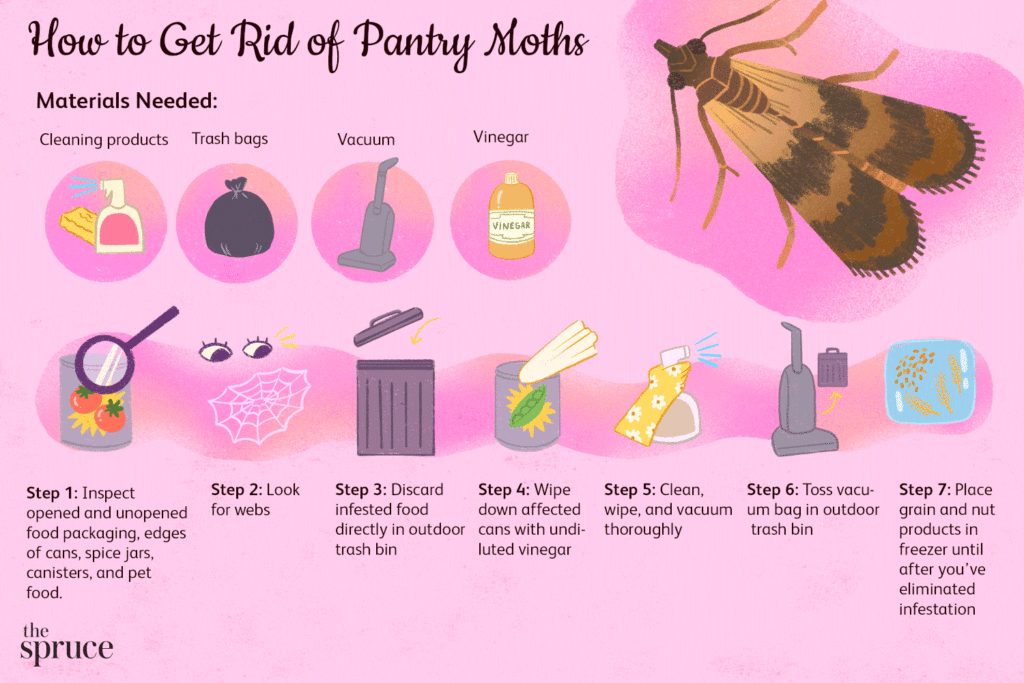
As you prepare a meal or snack, the last thing you want to encounter is an unwanted guest – a flour weevil. These pesky insects can infest your pantry and contaminate your food, causing frustration and financial loss. But don’t worry! In this article, we’ll explore the world of flour weevils, their lifecycle, and most importantly, provide you with effective methods to eliminate them.
Understanding Flour Weevils
Flour weevils, also known as Tenebrio molitor, are tiny insects that feed on grains, including wheat, oats, and barley. They can be found in homes, restaurants, and food processing facilities worldwide. While they may seem harmless, flour weevils can cause significant damage to stored food products and spread disease.
The Lifecycle of Flour Weevils
The lifecycle of a flour weevil consists of four stages: egg, larva, pupa, and adult. The eggs are typically white, oval-shaped, and about 1 mm in length. The larvae are legless, white, and cylindrical, while the pupae are dark brown and resemble tiny beetles.
Signs of an Infestation
Before we dive into the eradication methods, it’s essential to recognize the signs of a flour weevil infestation:
- Tiny holes or punctures in food products
- A sweet, nutty smell emanating from infested areas
- Small, white insects (larvae) in stored food
If you suspect an infestation, don’t panic! We’ll guide you through the process of identifying and eliminating flour weevils.
How to Eliminate Flour Weevils
Eliminating flour weevils requires a combination of good hygiene practices, careful storage, and targeted treatments. Here are some effective methods:
1. Cleanliness is Key
- Regularly clean your pantry, kitchen counters, and floors
- Wipe down surfaces with soap and water
- Sweep and mop floors to remove any debris
2. Store Food Properly
- Keep food products in airtight containers or bins
- Label and date all stored food
- Store food in a cool, dry place (away from direct sunlight)
3. Use Natural Repellents
- Place small amounts of diatomaceous earth or silica gel in areas prone to infestation
- Add bay leaves or mint leaves to containers for natural repellent properties
4. Utilize Traps and Baits
- Create a homemade trap using a jar, bowl, or container with a sweet liquid bait (e.g., honey or sugar water)
- Bait traps with flour or other grains
5. Consider Professional Assistance
- If the infestation persists, consider hiring a pest control professional for further assistance
Natural Methods to Repel Flour Weevils
In addition to the above methods, here are some natural ways to repel flour weevils:
1. **Cinnamon**: Sprinkle cinnamon powder around infested areas. The strong smell of cinnamon can deter flour weevils.
2. **Essential Oils**: Certain essential oils like peppermint, lavender, and tea tree oil have natural insect-repelling properties. Mix a few drops of these oils with water and spray them around the infestation area.
3. **Diatomaceous Earth**: This is a popular natural powder that can be used to repel flour weevils. Sprinkle it around infested areas, but avoid inhaling it yourself as it can cause respiratory issues.
How to Prevent Flour Weevil Infestations in the Future
Preventing flour weevil infestations requires some effort and vigilance. Here are some tips:
- Keep your pantry clean and organized
- Store food products in airtight containers or bins
- Regularly inspect for signs of infestation
- Use natural repellents like cinnamon, bay leaves, and mint leaves
Conclusion
Flour weevils can be a frustrating and costly problem to deal with. By understanding their lifecycle, recognizing signs of an infestation, and employing effective eradication methods, you can reclaim your pantry and kitchen from these pesky insects.
Frequently Asked Questions (FAQs)
Q: Are flour weevils pernicious?
A: No, flour weevils are not typically hazardous to human health. However, their presence can lead to contamination of food products.
Q: Can I grow flour weevils myself?
A: While it’s technically possible to cultivate flour weevils for research or educational purposes, it’s not recommended for home use due to potential health risks and pest control concerns.
Q: How often should I inspect my pantry for signs of infestation?
A: Regularly inspect your pantry every 1-2 weeks during peak insect activity seasons (spring-fall).
Q: Are there any long-term solutions to prevent flour weevil infestations?
A: Implementing good hygiene practices, storing food properly, and using natural repellents can help reduce the likelihood of future infestations.


