
Understanding Lymphangitis: From Symptoms to Treatment
Lymphangitis is an infection of the lymphatic vessels that transport lymph fluid throughout the body. Typically, lymphangitis requires antibiotic treatment, and is usually caused by skin infections, which are the most common cause.
As we delve deeper into this topic, it’s essential to remember how our lymphatic system helps fight off infections. The lymph fluid carries white blood cells called lymphocytes that help combat infections. However, in some cases, infected lymph fluid can travel to the lymph vessels, causing lymphangitis.
Let’s explore the causes, symptoms, and treatment options of lymphangitis further.
Causes of Lymphangitis
Lymphangitis is a type of secondary infection that occurs as a result of another infection. When an infection spreads from its original site to the lymph vessels, the vessels become inflamed and infected, leading to lymphangitis.
Bacterial infections are the most common cause of lymphangitis, but it can also be caused by viral or fungal infections. Any injury that allows bacteria, viruses, or fungi to enter the body can lead to an infection that causes lymphangitis.
Some possible culprits behind this condition include:
- Puncture wounds, such as those caused by stepping on a nail or another sharp object
- Un-treated or severe skin infections, like cellulite
- Insect bites and stings
- Surgical wounds
- Infected burns
- Sporotrichosis, a fungal infection of the skin common among gardeners
Symptoms of Lymphangitis
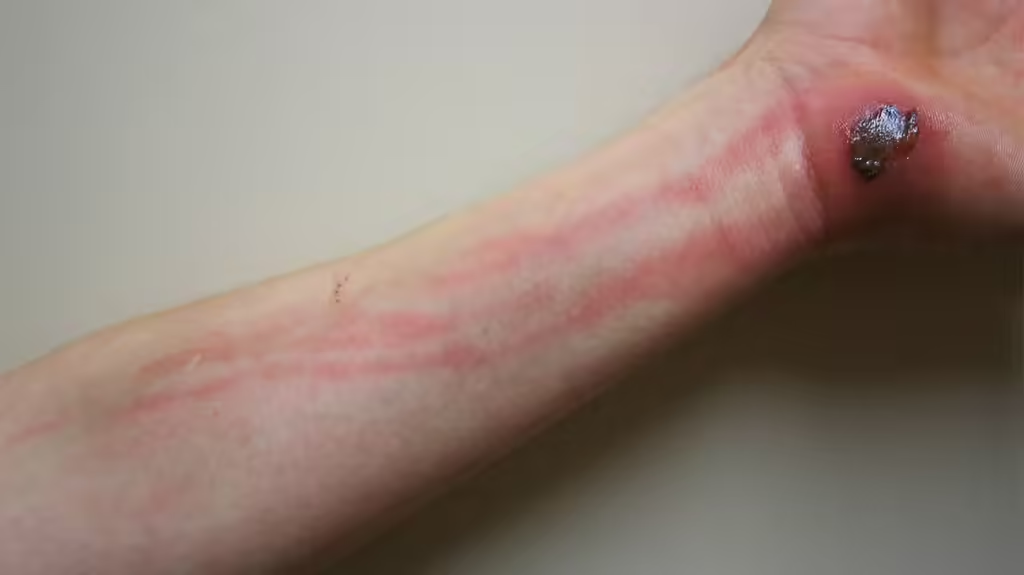
When it comes to symptoms, people with lymphangitis may notice red streaks that spread from the site of the injury to areas with many lymph nodes, such as the armpits or groin. Additionally, they may experience:
- Red streaks on any area of the body
- Unhealing wounds
- Feeling unwell or weak
- Fever
- Chills
- Headaches
- Low energy and loss of appetite
- Swelling near a wound or groin/underarm area
It’s crucial to note that lymphangitis should not be underestimated, as if left untreated it can spread to the bloodstream. This condition, known as sepsis, can cause high fever, flu-like symptoms, and even organ failure.
Risk Factors
Certain factors increase a person’s risk of developing lymphangitis:
- Weakened immune system
- Conditions such as diabetes, HIV, or cancer
- Medications that suppress the immune system, including chemotherapy
Diagnosing Lymphangitis
When it comes to diagnosing lymphangitis, doctors may use a combination of symptoms and medical history to make an initial diagnosis. If a doctor suspects lymphangitis, they may recommend antibiotic treatment based on the symptoms alone.
In most cases, doctors will also conduct a thorough examination to find the source of the original infection. They may prescribe antibiotics in anticipation of test results. Once test results are available, doctors can adjust or add medication to the treatment plan.
Treating Lymphangitis
Lymphangitis typically requires antibiotic treatment, which is usually prescribed by a doctor. In some cases, doctors may recommend additional treatments, such as:
- Applying heat packs to the affected area
- Using pain relievers like ibuprofen or acetaminophen
Antibiotics are usually administered intravenously (IV) in hospitals or clinics to treat bacterial infections quickly.
Supportive Care
In addition to antibiotics, doctors may recommend supportive care to manage symptoms and promote healing. This can include:
- Rest and relaxation
- Pain management
- Wound care
- Hydration
Complications of Lymphangitis
Lymphangitis can lead to serious complications if left untreated or not properly managed. Some potential complications include:
- Sepsis: a life-threatening condition that occurs when the body’s response to an infection becomes uncontrolled.
- Organ failure: lymphangitis can cause damage to organs such as the kidneys, liver, and lungs.
- Scarring: if left untreated, lymphangitis can lead to scarring of the affected area.
Prevention
While it is not possible to completely prevent lymphangitis, there are steps that can be taken to reduce the risk:
- Practicing good hygiene
- Avoiding injuries and infections
- Getting vaccinated against certain diseases
- Taking medications as prescribed
Conclusion
Lymphangitis is a serious condition that requires prompt medical attention. If you suspect you have lymphangitis, consult your doctor immediately. With proper treatment and care, most people can recover from this condition.
Stay healthy!


