
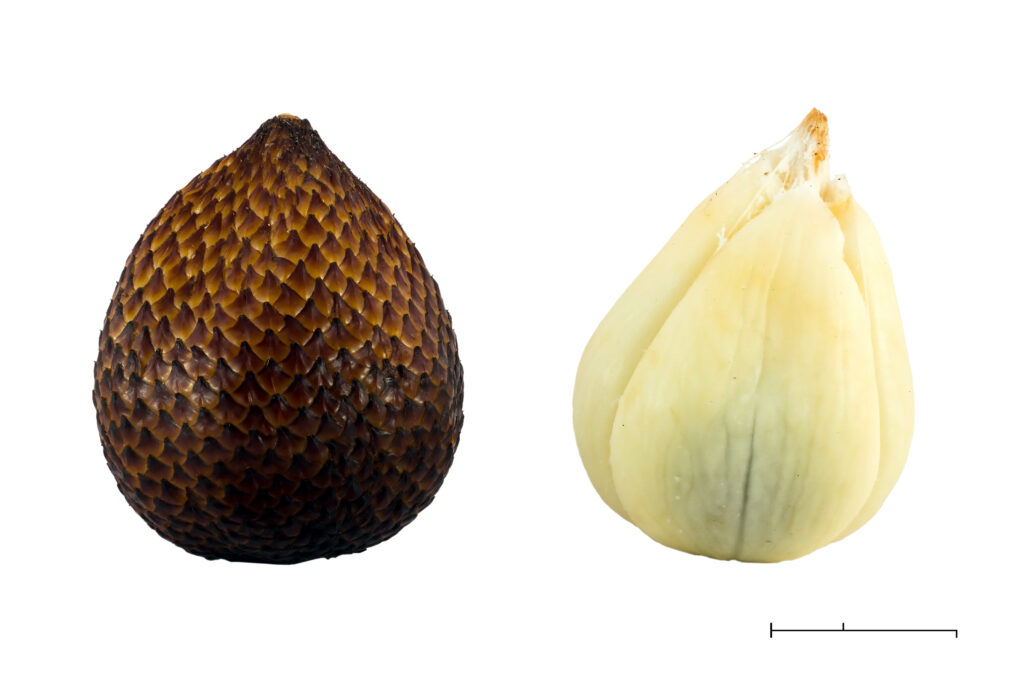
If you’re looking for a new fruit to add to your diet, consider trying the Salak, also known as the “serpent fruit.” Native to Indonesia, this exotic fruit is not only delicious but also packed with nutritional benefits that can help combat various health issues.
What is Salak?
The Salak tree produces a unique and nutritious fruit that is native to Bali, Sumatra, and Java in Indonesia. The fruit has a distinctive appearance, with a clear polpa (pulp) surrounded by a mottled brown skin that resembles a snake’s scales. When ripe, the fruit is sweet and slightly tart, making it a great addition to salads, smoothies, and desserts.
The Salak Tree
The Salak tree itself is a relatively small palm tree that can grow up to 10 meters tall. Its long leaves, which can reach 6 meters in length, are attached to the trunk via tiny stalks with sharp spines. The tree thrives in humid environments, making it commonly found along rivers and coastlines in Indonesia.
History of Salak
The Salak fruit has been a part of Indonesian culture for centuries. In traditional medicine, Salak is used to treat various ailments, including fever, rheumatism, and skin problems. The fruit is also a popular ingredient in local cuisine, where it’s often eaten raw or cooked into desserts.
How Salak Grows
Salak trees grow relatively quickly, with some trees reaching maturity within 5-7 years. The tree produces fruit throughout the year, but the peak season is usually between March and October. During this time, the fruit ripens and turns from green to its characteristic brown color.
Cultivation of Salak Trees
To cultivate Salak trees, follow these steps:
- Choose a suitable location: Salak trees prefer well-drained soil and full sun to partial shade.
- Plant the tree: Plant the tree in the ground or in a pot, making sure it’s watered thoroughly before planting.
- Maintain the tree: Water the tree regularly, fertilize it monthly, and prune its leaves every 6 months.
- Harvest the fruit: Wait for the fruit to ripen before harvesting.
Health Benefits of Salak
So, what makes Salak such a superfood? Here are some of its key health benefits:
- Antioxidants: Salak is rich in antioxidants, which help protect the body against free radicals and reduce the risk of chronic diseases like cancer and heart disease.
- Digestive Health: The high fiber content in Salak can help regulate bowel movements, prevent constipation, and support healthy digestion.
- Eye Health: Salak’s high concentration of vitamin A makes it an excellent fruit for supporting eye health and reducing the risk of age-related macular degeneration.
- Immune System: The flavonoids present in Salak have been shown to boost the immune system, helping the body fight off infections and diseases.
How to Eat Salak
Eating Salak is relatively easy, but there are a few tips to keep in mind:
- Peel the fruit using your fingers or a knife.
- Remove the outer skin, which can be a bit tough.
- Cut the fruit into bite-sized pieces or drink it raw.
- If you’re feeling adventurous, try making Salak wine by fermenting the pulp and enjoying it as a healthy alternative to traditional spirits.
Fermenting Salak
To make Salak wine, follow these steps:
- Harvest the fruit: Choose ripe fruit from your Salak tree.
- Wash the fruit: Rinse the fruit under running water to remove any dirt or debris.
- Drain and chop: Drain the pulp from the fruit and chop it into small pieces.
- Mix with water: Mix the chopped fruit with water in a large container, leaving enough space for fermentation to occur.
- Add natural yeast: Add natural yeast, such as bacteria or yeast strains, to the mixture to start fermentation.
- Monitor fermentation: Monitor the fermentation process daily, ensuring that it progresses normally and does not over-ferment.
Growing Your Own Salak Tree
If you live in a warm and humid climate, consider growing your own Salak tree. The tree prefers well-drained soil and full sun to partial shade. With proper care and maintenance, your Salak tree can thrive for years to come.
Frequently Asked Questions
Here are some answers to common questions about Salak:
- Q: Is Salak safe to eat?
A: Yes, Salak is considered safe to eat in moderation. - Q: How often should I eat Salak?
A: Start with small amounts (about 1-2 pieces per day) and gradually increase your consumption as needed. - Q: Can I grow my own Salak tree?
A: Yes, but be aware that the tree can grow quite large and requires proper care and maintenance.
Conclusion
In conclusion, the Salak fruit is a delicious and nutritious addition to any diet. With its numerous health benefits and versatility in recipes, it’s no wonder this tropical fruit has gained popularity worldwide. If you’re looking for a new fruit to add to your diet, consider trying the Salak today!


