
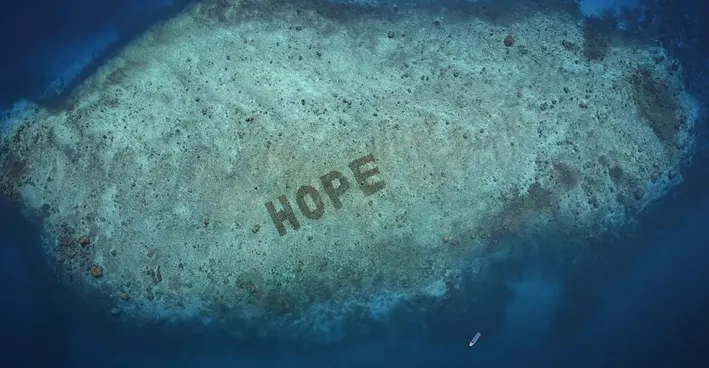
As scientists mapped the Great Barrier Reef in Australia, they made a groundbreaking discovery that has left experts and enthusiasts of marine ecosystems excited. The coral reefs found at an unprecedented depth of 125 meters off the Torres Strait are not only a marvel of nature but also hold the key to understanding and protecting these vital ecosystems.
The Depth of Discovery
In a previous study, it was observed that coral reefs were typically seen only at depths of up to 70 meters. This new find has opened up new avenues for research and conservation efforts. Dr. Hoegh Guldberg, scientific leader of the project at the University of Survey Seaview Queensland, noted that this discovery could lead to a better understanding of coral reef systems.
The Mysterious World Beneath
The observation of symbiotic photosynthetic organisms beneath the waves has sparked excitement among scientists. “It’s fascinating to see these creatures harnessing energy from sunlight,” Dr. Guldberg said. “We’re at 125 meters, where light is scarce. This discovery could hold secrets to how coral reefs adapt and thrive in deep waters.”
Resilience of Deep-Sea Corals
The corals observed in the depths are undoubtedly more resilient than those found near the surface. The research team is working to understand how climate change and ocean acidification have impacted deep-sea coral reefs. Could this be a new adaptation for the species?
A New Frontier in Conservation
This discovery highlights the importance of exploring and protecting our oceans. As we delve deeper into the unknown, we uncover secrets that can inform conservation efforts.
The Threats to Coral Reefs
Coral reefs are facing numerous threats:
- Invasive fishing practices: The use of destructive fishing methods such as bottom trawling and dynamite fishing has devastating effects on coral reef ecosystems.
- Global warming: Rising sea temperatures and ocean acidification are causing widespread coral bleaching events, leading to the death of many coral colonies.
- Deforestation: Deforestation in tropical regions can lead to increased sedimentation and pollution, which can further harm coral reefs.
- Atmospheric carbon dioxide emissions: The increasing levels of CO2 in the atmosphere are causing ocean acidification, making it harder for corals to build their skeletons and maintain their health.
- Pollution: Plastic pollution, chemical runoff, and other pollutants are harming coral reefs by damaging them directly or altering the water chemistry that corals need to survive.
- Irresponsible tourism: Over-tourism can lead to damage of coral reefs through trampling, anchoring, and other human impacts.
Understanding the Impact of Human Activities
As we explore the depths, we also need to acknowledge the impact of human activities on coral reefs. The Great Barrier Reef is one of the most biologically diverse ecosystems on the planet, and its survival depends on our efforts.
The Importance of Research
This discovery has sparked a new wave of research into the world beneath our oceans. As scientists continue to explore and learn from these ecosystems, we gain valuable insights into the delicate balance of nature.
Conservation Efforts
It’s time for us to take action. By working together, we can protect coral reefs and ensure their survival for future generations.
Conclusion
The discovery of deep-sea corals has opened up new avenues for research and conservation efforts. As we continue to explore the unknown, we must also acknowledge the impact of human activities on these vital ecosystems. It’s time for us to take action and work together to protect coral reefs for the benefit of our planet.
Frequently Asked Questions
-
What is the significance of the discovery of deep-sea corals?
The discovery of deep-sea corals at 125 meters holds the key to understanding and protecting coral reef ecosystems. -
How do corals adapt to deep water conditions?
Corals have developed unique adaptations to thrive in deep water, including symbiotic photosynthetic organisms that harness energy from sunlight. -
What are the main threats to coral reefs?
The main threats to coral reefs include invasive fishing practices, global warming, deforestation, atmospheric carbon dioxide emissions, pollution, and irresponsible tourism.
-
How can we protect coral reefs?
We can protect coral reefs by working together to reduce our impact on these ecosystems, including reducing greenhouse gas emissions, protecting marine habitats, and promoting sustainable tourism practices. -
What is the importance of research in coral reef conservation?
Research is crucial for understanding the complex relationships within coral reef ecosystems and developing effective conservation strategies.
-
How can we support coral reef conservation efforts?
We can support coral reef conservation efforts by donating to reputable organizations, spreading awareness about the importance of these ecosystems, and making sustainable lifestyle choices. -
What is the current state of coral reefs?
Coral reefs are facing numerous threats, including climate change, pollution, and overfishing. However, there are still many ways to protect and conserve these vital ecosystems.
- Can deep-sea corals be found anywhere in the world?
While this discovery was made off the coast of Australia, deep-sea corals can be found in various locations around the world, including the Red Sea and the Mediterranean.
The Future of Coral Reef Conservation
As we move forward, it’s essential to recognize that coral reef conservation is a complex issue that requires a multifaceted approach. We must work together with governments, businesses, and individuals to reduce our impact on these ecosystems and protect them for future generations.
Action Plan for Coral Reef Conservation
Here are some steps we can take to protect coral reefs:
- Reduce greenhouse gas emissions: One of the most significant threats to coral reefs is climate change. Reducing our carbon footprint and transitioning to renewable energy sources can help mitigate this impact.
- Protect marine habitats: Marine protected areas (MPAs) can provide a safe haven for coral reefs to recover and thrive. Governments and organizations must work together to establish and manage MPAs effectively.
- Promote sustainable tourism practices: Over-tourism is damaging many coral reefs around the world. By promoting sustainable tourism practices, such as eco-friendly accommodations and responsible wildlife viewing, we can reduce our impact on these ecosystems.
- Support reef restoration efforts: Reef restoration involves replanting corals and other marine life to repair damaged reefs. Supporting organizations that conduct reef restoration efforts can help revitalize coral reefs.
- Educate and raise awareness: Educating the public about the importance of coral reefs and the threats they face is crucial for raising awareness and inspiring action.
Conclusion
The discovery of deep-sea corals has opened up new avenues for research and conservation efforts. As we continue to explore the unknown, we must also acknowledge the impact of human activities on these vital ecosystems. It’s time for us to take action and work together to protect coral reefs for the benefit of our planet.
The Importance of Community Involvement
Community involvement is crucial for successful coral reef conservation efforts. Local communities can play a significant role in protecting their coral reefs through:
- Establishing community-managed marine protected areas: Communities can establish MPAs and work with governments to manage them effectively.
- Promoting sustainable livelihoods: Supporting sustainable livelihoods, such as eco-tourism and sustainable fishing practices, can reduce the impact of human activities on coral reefs.
- Educating local communities about coral reef conservation: Educating local communities about the importance of coral reefs and the threats they face can inspire action and promote conservation efforts.
The Role of Governments in Coral Reef Conservation
Governments play a critical role in protecting coral reefs through:
- Establishing marine protected areas: Governments must work with local communities to establish MPAs that provide a safe haven for coral reefs.
- Regulating fishing practices: Regulating fishing practices, such as bottom trawling and dynamite fishing, can reduce the impact of these activities on coral reefs.
- Supporting reef restoration efforts: Governments should support organizations that conduct reef restoration efforts to help revitalize coral reefs.
Conclusion
The discovery of deep-sea corals has opened up new avenues for research and conservation efforts. As we continue to explore the unknown, we must also acknowledge the impact of human activities on these vital ecosystems. It’s time for us to take action and work together to protect coral reefs for the benefit of our planet.
Conclusion
The discovery of deep-sea corals has opened up new avenues for research and conservation efforts. As we continue to explore the unknown, we must also acknowledge the impact of human activities on these vital ecosystems. It’s time for us


