
Introduction
Lentils, also known as lenticchie in Italian, have been a staple food in many cultures for centuries. These small, disk-shaped legumes have been around since prehistoric times, with archaeological evidence showing that they were a vital source of nutrition during that era. In this article, we will delve into the world of lentils, exploring their history, nutritional properties, and cooking tips to help you unlock their full potential.
What are Lentils?
Lentils are the edible seeds of the Ervum lens plant, which belongs to the Leguminosae family. They are widely cultivated in temperate climates and are a common ingredient in many cuisines around the world. The lentil seed is oval-shaped, with dimensions varying from 2mm to 9mm in length. Their vibrant colors range from yellowish-brown to red, green, and black.
Lentils: A Nutritional Powerhouse
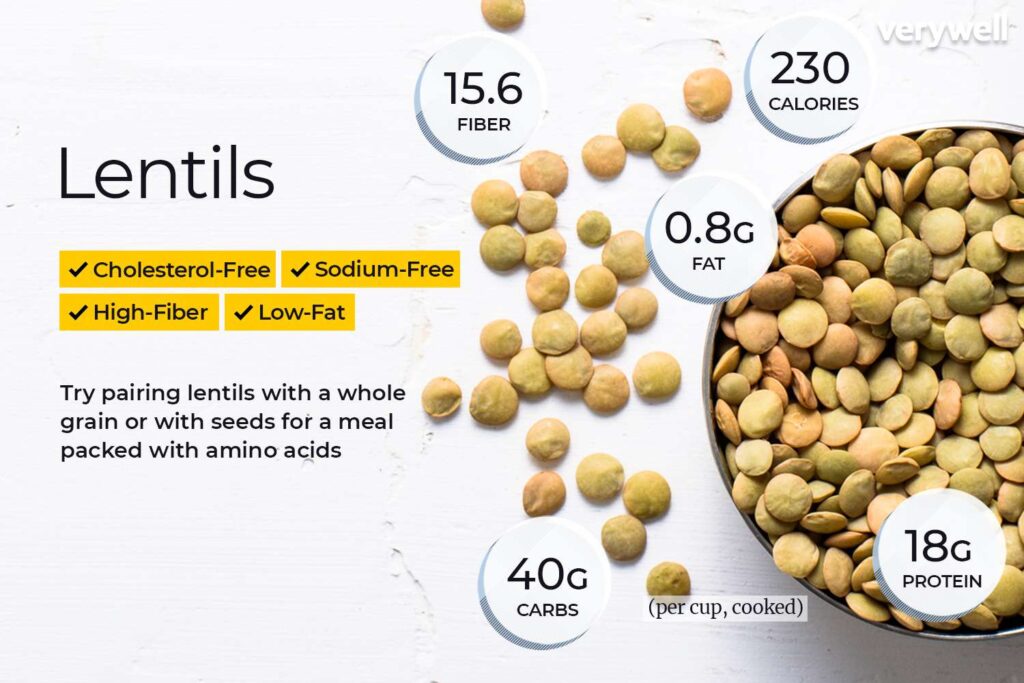
Lentils are a nutritional powerhouse, rich in protein, fiber, iron, magnesium, and potassium. They are also high in antioxidants, including isoflavones, which have been shown to have anti-inflammatory properties. Lentils are an excellent source of complex carbohydrates, making them an ideal food for those looking to manage their blood sugar levels.
However, lentils do contain some amino acids that are essential for human health, such as cysteine and methionine. These nutrients can be obtained by pairing cooked lentils with whole grains or cereals.
The Benefits of Lentils
Lentils have been shown to have numerous health benefits, including:
- Lowering cholesterol levels: The soluble fiber in lentils helps remove excess cholesterol from the digestive tract.
- Managing blood sugar levels: Lentils are low on the glycemic index and can help regulate blood sugar levels.
- Reducing the risk of heart disease: The potassium content in lentils can help lower blood pressure, while their high fiber content can reduce inflammation in the body.
- Supporting healthy digestion: Lentils contain both soluble and insoluble fiber, which can help promote regular bowel movements and prevent constipation.
- Providing a feeling of fullness and satisfaction: The protein and fiber content in lentils make them very filling and can help curb overeating.
Lentil Varieties: A Colorful Range
There are many varieties of lentils available, each with its unique characteristics and uses. Some popular types include:
- Green lentils: These are the most commonly available type of lentil and have a mild flavor.
- Red lentils: These have a slightly sweeter taste and are often used in Indian cuisine.
- Yellow lentils: These have a bright yellow color and are high in protein.
- Black lentils: These have a strong, earthy flavor and are often used in soups and stews.
Cooking Lentils: Tips and Techniques
Cooking lentils can be intimidating, but with the right techniques, you can unlock their full potential. Here are some tips to get you started:
- Rinse and soak: Rinse the lentils thoroughly and soak them in water for at least 24 hours before cooking.
- Use a large pot: Cook the lentils in a large pot with plenty of water to ensure they cook evenly.
- Add aromatics: Add aromatics like onions, garlic, and ginger to enhance the flavor of your dish.
- Acidity helps: Adding a splash of acidity, such as lemon juice or vinegar, can help break down the lentil’s phytic acid.
Tips for Cooking Different Types of Lentils
Different types of lentils have different cooking times and methods. Here are some specific tips:
- Green lentils: These take about 20-25 minutes to cook and require a large pot with plenty of water.
- Red lentils: These cook in under an hour, often using a pressure cooker or a smaller pot.
- Yellow lentils: These take about 30-40 minutes to cook and require a medium-sized pot with plenty of water.
- Black lentils: These are the most delicate type of lentil and require a small amount of water. They take about 20-25 minutes to cook.
Common Mistakes to Avoid When Cooking Lentils
Here are some common mistakes to avoid when cooking lentils:
- Overcooking: This can make the lentils mushy and unappetizing.
- Undercooking: This can result in hard or crunchy lentils that are difficult to digest.
- Not rinsing: Failing to rinse the lentils thoroughly before cooking can lead to phytic acid build-up.
Conclusion
Lentils are a nutrient-dense food that deserves more attention in our diets. With their rich history, versatile flavors, and impressive nutritional profile, lentils are an excellent addition to any meal. Whether you’re looking to manage your blood sugar levels or simply want to explore new flavors, lentils are a great choice.
Frequently Asked Questions
- What is the best way to cook lentils?
- Rinse and soak them in water for at least 24 hours before cooking.
- How long do lentils take to cook?
- Cooking time varies depending on the type of lentil, but generally takes around 20-30 minutes.
- Can I eat raw lentils?
- No, it’s not recommended to eat raw lentils due to their high phytic acid content.
- Are lentils good for my digestive system?
- Lentils are high in fiber and have been shown to support healthy digestion.
By understanding the nutritional benefits, cooking tips, and versatility of lentils, you can unlock their full potential and make them a staple food in your diet.


