
As the world shifts towards renewable energy sources, solar irradiance has become a crucial factor in determining the feasibility of installing a solar panel system. In this article, we’ll delve into the importance of measuring solar radiation and explore the various methods used to quantify it.
What is Solar Irradiance?
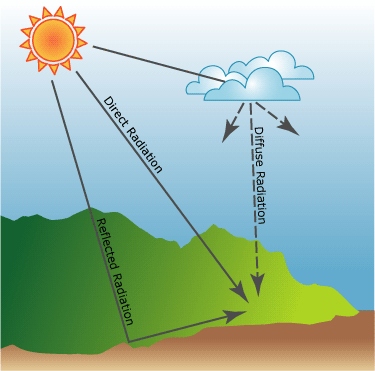
Solar irradiance refers to the amount of sunlight that falls on a given surface. It’s measured in watts per square meter (W/m²) and takes into account factors like temperature, cloud cover, and time of day. The efficiency of solar panels depends on the intensity of the sunlight they receive, making accurate measurements of solar radiation essential for optimal performance.
Temperature: A Key Factor in Solar Irradiance
Temperature plays a significant role in influencing the performance of solar panels. As temperatures rise, the “band gap” of semiconductors increases, reducing their efficiency. This is why high temperatures can lead to a decrease in energy production from a solar panel system.
Understanding the Impact of Temperature on Solar Radiation
High temperatures can cause several issues that affect solar radiation, including:
- Reduced panel efficiency: As mentioned earlier, increased temperature leads to reduced efficiency of semiconductors.
- Increased heat gain: Hot surfaces can absorb more solar radiation, leading to overheating and potential damage to the panels.
- Changes in atmospheric conditions: High temperatures can alter the composition of the atmosphere, which may affect the amount of solar radiation reaching the surface.
Measuring Solar Radiation: Methods and Tools
To determine the potential capacity of a solar panel system, it’s necessary to measure both the solar irradiance and its effect on temperature. A thermocouple is commonly used for this purpose, allowing for accurate calculations of the thermal performance of the panels.
Step 1: Assessing Solar Irradiance
Before installing a solar panel system, it’s essential to conduct an initial assessment of the solar radiation in the area. The Italian Solar Radiation Atlas provides a comprehensive overview of solar irradiance across Italy, along with tools for calculating energy production and determining the suitability of a site.
Step 2: Measuring Solar Irradiance
Solar radiation can be measured using two types of sensors: solarimeters and pyranometers. Both are used in conjunction with thermocouples to account for temperature effects on the panels.
Solarimeters:
Solarimeters measure direct sunlight, providing accurate data on irradiance intensity.
Pyranometers:
Pyranometers, on the other hand, detect global radiation, taking into account indirect sunlight and cloud cover.
Step 3: Calculating Energy Production
Using data from solar radiation measurements, it’s possible to estimate energy production from a solar panel system. This involves calculating the total amount of electricity generated per year, based on factors like irradiance, temperature, and system efficiency.
Factors Affecting Energy Production:
- Irradiance
- Temperature
- System efficiency
- Panel quality
Conclusion:
Accurate measurements of solar radiation are crucial for determining the potential capacity of a solar panel system. By understanding the factors that influence energy production, such as temperature and irradiance, homeowners and businesses can make informed decisions about investing in renewable energy.
Frequently Asked Questions (FAQs):
-
What is solar irradiance?
Solar irradiance refers to the amount of sunlight that falls on a given surface.
2. How is solar radiation measured?Solar radiation is measured using sensors like solarimeters and pyranometers, in combination with thermocouples to account for temperature effects.
3. What factors affect energy production from solar panels?Factors affecting energy production include irradiance, temperature, system efficiency, and panel quality.
4. How accurate are measurements of solar radiation?Measurements can be quite accurate, but may vary depending on the type of sensor used and local environmental conditions.
5. What is the importance of measuring solar radiation?Accurate measurements of solar radiation help determine the potential capacity of a solar panel system and inform decisions about investing in renewable energy.
6. Can solar panels generate electricity in low-light conditions?While solar panels can produce some electricity in low-light conditions, their efficiency decreases significantly as light levels decrease.
7. How often should I check my solar panel system’s performance?It’s recommended to monitor your system regularly to ensure optimal performance and detect any potential issues early on.
8. Can I install a solar panel system in areas with limited sunlight?While it may be more challenging, it’s not impossible to install a solar panel system in areas with limited sunlight. However, it’s essential to consult with a professional to determine the feasibility of your project.
Solar Irradiance and Energy Storage: A Growing Trend
As concern for renewable energy continues to grow, there is an increasing interest in combining solar irradiance measurements with energy storage solutions. This approach allows households and businesses to take advantage of excess energy generated during peak hours, reducing their reliance on the grid and lowering their energy bills.
Energy Storage Options: Batteries and Pumped Hydro Storage
There are several types of energy storage options available for homeowners and businesses:
- Batteries: Lithium-ion batteries offer a high level of efficiency and flexibility when used with solar panels.
- Pumped Hydro Storage (PHS): PHS is an established method of energy storage that involves pumping water from a lower reservoir to an upper reservoir during off-peak hours, using excess energy generated by the solar panel system.
Future Developments in Solar Irradiance Measurement
Advances in technology are continually improving our ability to measure and understand solar irradiance. Some future developments worth noting include:
- Advanced sensors: Next-generation sensors will be able to capture a wider range of wavelengths, providing more accurate data on solar radiation.
- Artificial intelligence (AI) integration: AI can help optimize energy production by analyzing real-time data from solar panels and energy storage systems.
Conclusion
Accurate measurements of solar irradiance are crucial for determining the potential capacity of a solar panel system. By understanding the factors that influence energy production, such as temperature and irradiance, homeowners and businesses can make informed decisions about investing in renewable energy. As technology continues to evolve, it’s essential to stay up-to-date with the latest developments in solar irradiance measurement and energy storage solutions.


