
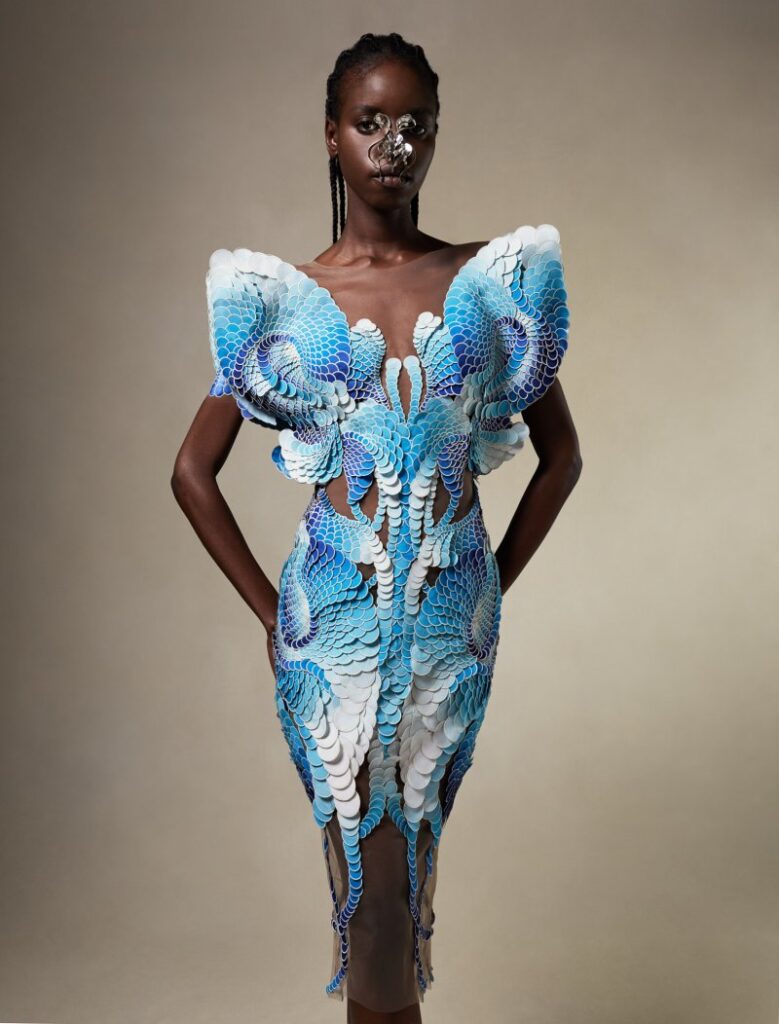
In the world of fashion, sustainability has become a buzzword. Designers and brands are under pressure to create clothes that not only look good but also do good for the environment. One innovative approach is upcycling, which involves transforming waste materials into new, high-quality products. In this article, we’ll explore the story of Catherine Edouard Charlot, an artist who has spent over 30 years collecting and reusing waste to create stunning pieces of art and fashion.
From Trash to Treasure: The Art of Upcycling
Upcycling is not just about recycling old materials; it’s about giving them new life. Catherine Edouard Charlot’s journey began when she was just 13 years old, learning to sew from her father’s old clothes. She used the fabric to create dresses, skirts, and bags, laying the foundation for a career that would span decades.
Upcycling requires creativity, imagination, and a willingness to think outside the box. It involves taking discarded materials and transforming them into something new and valuable. This approach not only reduces waste but also provides an opportunity for designers to express themselves and showcase their skills.
A Passion for Sustainability
Charlot is native to Port-au-Prince, Haiti, where she grew up surrounded by the island’s vibrant culture and environmental challenges. She has always been passionate about sustainability, often participating in local movements to reduce waste and protect the environment.
Charlot’s experiences growing up in a post-disaster community had a profound impact on her perspective on sustainability. She witnessed firsthand the devastating effects of poverty, pollution, and lack of access to resources. This awareness sparked her desire to make a positive change and find creative solutions to environmental problems.
The Craft Lion Art: Turning Waste into Wonder
In her community, Charlot founded a group called “The Craft Lion Art,” dedicated to transforming discarded materials into art pieces. The project not only reduced waste but also provided an outlet for creative expression. Her work has inspired others to join in, and soon, the art of upcycling became a staple of Haitian culture.
“The Craft Lion Art” is more than just a group; it’s a movement that brings people together to create something beautiful from discarded materials. The project has grown exponentially since its inception, with participants from all over the world contributing to the collective effort.
From Bicycles to Bags: Creating Sustainable Fashion
One of Charlot’s most notable projects is the “Himane” collection, which features bags made from repurposed bicycles. The bags are not only eco-friendly but also stylish, with intricate designs that showcase the artist’s skill. Another example is her use of ombrellis to create unique clothing items. After collecting over 836 umbrellas in New York City, Charlot transformed them into dresses and accessories.
The “Himane” collection is a testament to Charlot’s creativity and resourcefulness. She took discarded bicycles and turned them into functional bags, showcasing her ability to think outside the box. The project has been praised for its innovative approach to sustainable fashion.
Street Chic: The Rise of Sustainable Fashion
The term “street chic” has become synonymous with upcycled fashion. It’s a style that combines comfort, sustainability, and creativity, making it accessible to people from all walks of life. Prices vary, ranging from $50 to over $300, depending on the piece.
Street chic is more than just a fashion trend; it’s a cultural movement that celebrates individuality and self-expression. Upcycled clothing allows people to express themselves while also promoting sustainability.
Giving Back: Supporting Sustainability Initiatives
With every purchase made through her store, Charlot donates a portion of the revenue to support sustainable initiatives in Haiti. This not only fosters community development but also promotes environmental awareness.
Charlot’s commitment to giving back is a testament to her values and dedication to creating positive change. By supporting sustainability initiatives, she is helping to create a more environmentally friendly future for communities around the world.
Conclusion
Catherine Edouard Charlot’s journey is a testament to the power of creativity and sustainability. By transforming waste into high-fashion pieces, she has inspired others to join the movement towards eco-friendly fashion. As we continue on our own path towards sustainability, it’s essential to recognize the value of upcycling and the impact it can have on our communities.
Frequently Asked Questions
Q: What is upcycling, and how does it differ from recycling?
A: Upcycling involves transforming waste materials into new products of higher quality or greater functionality than the original item. Recycling, on the other hand, breaks down materials into their raw form for reuse.
Q: How did Catherine Edouard Charlot get started with upcycling?
A: Charlot began sewing at age 13 and learned to repurpose old fabrics from her father’s clothes.
Q: What inspired you to start “The Craft Lion Art”?
A: I wanted to create an outlet for creativity while also addressing the environmental challenges in my community.
Q: How does your store support sustainable initiatives?
A: With every purchase, a portion of the revenue is donated to support sustainable projects in Haiti.
Q: Can upcycling be used to create clothing for all ages and budgets?
A: Absolutely. The style can range from formal to casual, and prices vary depending on the piece.
Q: What advice would you give to those interested in starting their own upcycling journey?
A: Start with materials you have at home and experiment with different techniques to find what works best for you.
Q: How does upcycling contribute to a more sustainable fashion industry?
A: By reducing waste, promoting creativity, and encouraging responsible consumption, upcycling helps create a more environmentally friendly fashion landscape.
Q: What is the future of upcycling in the fashion world?
A: As awareness about sustainability grows, we can expect to see more designers incorporating upcycled materials into their collections.


