
Understanding Lunar Cycles and Their Impact on Agriculture
The moon has been a crucial factor in agriculture for centuries, influencing planting times, crop growth, and harvesting schedules. While some argue that the effects of the moon on agriculture are mere myth, scientific evidence suggests that lunar cycles can indeed impact plant growth and development. In this article, we will delve into the fascinating world of lunar agriculture, exploring how to harness the power of the moon for optimal crop yields.
The Moon’s Orbit and Its Effects
The moon orbits the Earth in an elliptical path, causing variations in its appearance from our vantage point. This cyclical motion creates different phases, each with distinct characteristics that can affect agricultural practices. Understanding these lunar cycles is crucial to maximizing crop production.
Lunar Phases: A Guide to Planting and Harvesting
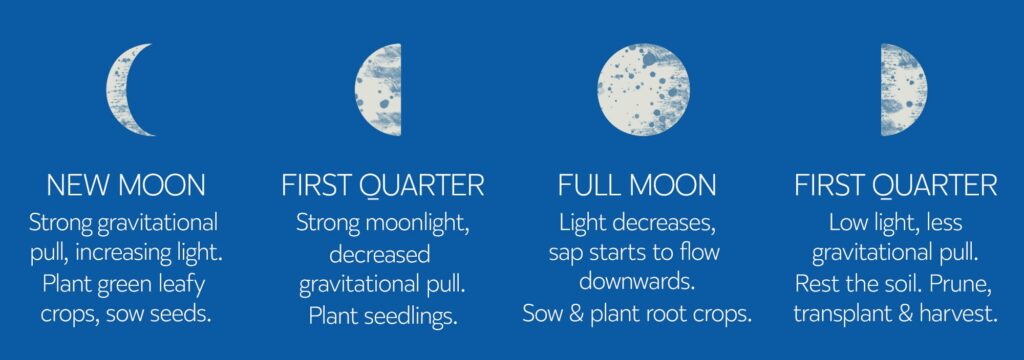
The moon’s phases are a result of its orbit around the Earth. There are eight distinct phases, which can be grouped into two categories: waxing (increasing) and waning (decreasing). Each phase has specific effects on plants, making it essential to time planting and harvesting accordingly.
Waxing Phases: Planting and Growth
During the waxing phases, the moon’s energy is increasing, promoting growth and development in plants. This is an ideal time for:
- Sowing seeds for crops that grow above ground
- Pruning and training plants to promote healthy growth
- Applying fertilizers and nutrients to support plant growth
Waning Phases: Harvesting and Rest
As the moon wanes, its energy decreases, causing plants to focus on storing energy for future growth. During this phase, it is best to:
- Harvest crops that are ready, such as fruits, vegetables, and grains
- Perform tasks that promote plant health and resilience, such as mulching and composting
Lunar Cycles in Agriculture: A Biodynamical Approach
In the context of agriculture, lunar cycles play a vital role in optimizing crop production. By aligning planting times with lunar phases, farmers can:
- Increase yields: By timing planting to coincide with waxing phases, farmers can encourage healthy growth and maximize crop yields.
- Improve quality: Harvesting during waning phases can result in higher-quality crops, as plants are more likely to store energy efficiently.
Lunar Agriculture: A Holistic Approach
Lunar agriculture is not just about planting and harvesting; it encompasses a broader approach to farming that considers the moon’s cycles as part of an intricate web of life. By embracing this holistic perspective, farmers can:
- Enhance soil health: Lunar cycles can influence soil fertility and structure, making it essential to monitor these factors when using lunar agriculture practices.
- Promote biodiversity: By working in harmony with lunar cycles, farmers can create more diverse and resilient ecosystems.
Case Studies: Successful Implementations of Lunar Agriculture
Many farmers around the world have successfully implemented lunar agriculture practices, resulting in improved crop yields and better overall health. Some notable examples include:
- Permaculture farms: These farms use lunar cycles to plan planting schedules, prune crops, and harvest at optimal times.
- Organic farming operations: By timing plantings and harvesting according to lunar phases, these farmers can reduce chemical inputs and promote soil health.
FAQs
- What is the best time to plant seeds based on lunar phases?
- How do I determine if a crop is ready for harvest during waning phases?
- Can I use lunar agriculture practices for crops that don’t have an apparent connection to the moon?
- Are there specific lunar cycles that are more beneficial for certain types of farming (e.g., organic, permaculture)?
- How can I integrate lunar agriculture into my existing agricultural practices?
- What is the difference between lunar and solar agriculture?
- Can lunar cycles be used to predict weather patterns or natural disasters?
- Are there any potential drawbacks or challenges associated with adopting a lunar agriculture approach?
By understanding the power of the moon in agriculture, farmers can unlock new opportunities for optimal crop yields and sustainable farming practices. Whether you’re a seasoned farmer or just starting out, embracing lunar agriculture principles can lead to greater success and a more resilient food system.


