
Are you aware of the hidden dangers lurking in your own home? Household allergens can be found in various forms, including animal, plant, and chemical sources. In this article, we will explore the most common household allergens, their risks, and provide practical tips on how to minimize exposure.
What are the Most Common Household Allergens?
- Dust Mites: These tiny creatures thrive in warm and humid environments, such as carpets, upholstered furniture, and bedding. Their waste products can become airborne, causing allergic reactions.
- Cockroaches: Cockroach allergens are often found in food and water sources, making them a common household allergen.
- Pet Allergies: Dog and cat dander, saliva, and urine can all contribute to pet allergies.
- Plant Allergies: Certain plants, such as violets, ficus benjamina, and lilies, can cause allergic reactions in some individuals.
- Mold: Mold spores can be found in damp environments, including bathrooms, kitchens, and basements.
The Role of Chemical Substances
- Cleaning Products: Detergents and disinfectants can contain chemicals that trigger allergic reactions, especially dermatitis.
- Farmaceuticals: Certain medications, such as topical creams and ointments, can cause allergic reactions in some individuals.
How to Identify the Risks
- Consult a Doctor: If you suspect an allergy, consult a healthcare professional for proper diagnosis and treatment.
- Keep Records: Keep track of your symptoms, exposure history, and any potential allergens.
- Monitor Your Environment: Regularly inspect your home for signs of mold, dust mites, or cockroaches.
Reducing Exposure to Household Allergens
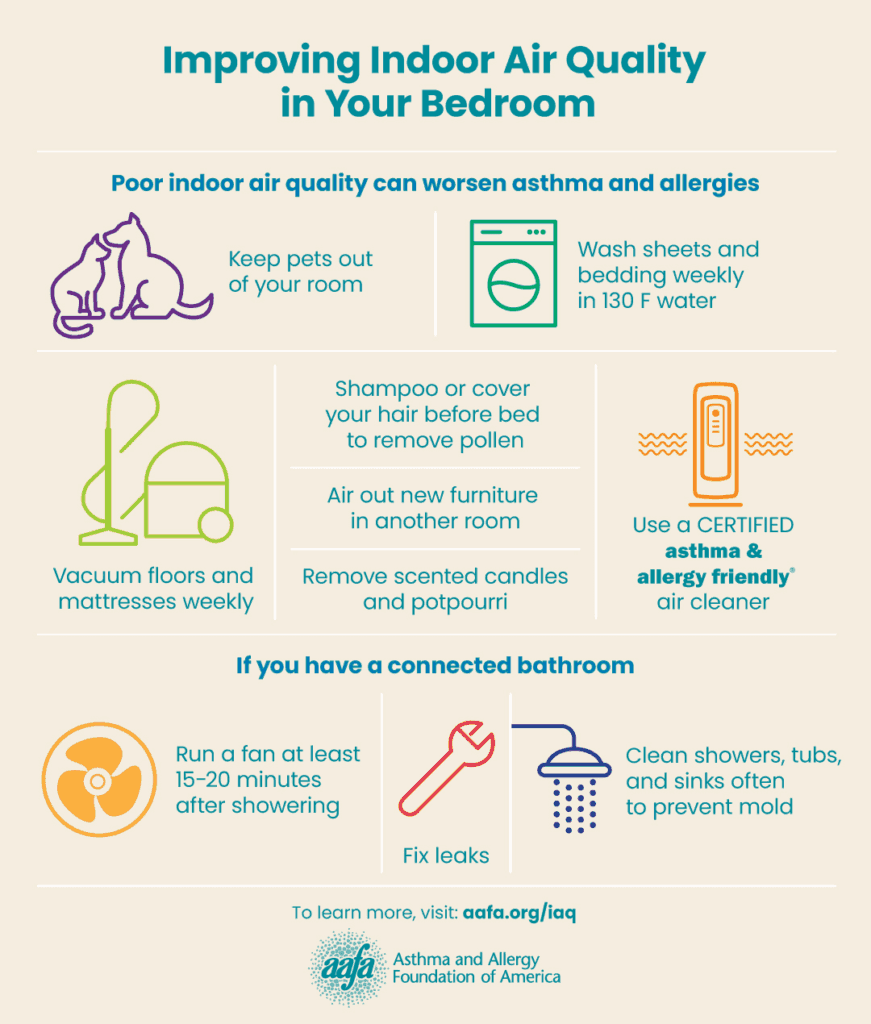
- Aerate Your Home: Regularly open windows and use fans to improve ventilation.
- Maintain a Low Humidity Level: Use a dehumidifier to reduce moisture in the air.
- Remove Clutter: Declutter your home, especially areas prone to dust accumulation.
- Use Protective Gear: Wear gloves when handling cleaning products or medications.
- Wash Hands Frequently: Wash hands after touching allergens or contaminated surfaces.
Additional Tips for Reducing Allergen Exposure
- Avoid Carpets and Rugs: Consider replacing carpets with hardwood or tile flooring.
- Keep Pets Out of Bedrooms: Keep pets out of bedrooms to reduce the risk of pet allergies.
- Use HEPA Filters: Install HEPA filters in your HVAC system to reduce airborne allergens.
Reducing Dust Mite Exposure
- Wash Bedding Frequently: Wash bedding in hot water at least once a week to kill dust mites.
- Use Allergen-Proof Mattress Covers: Use mattress covers that are designed to prevent dust mite penetration.
- Dry Clean or Steam Clean Upholstered Furniture: Regularly dry clean or steam clean upholstered furniture to reduce dust mite populations.
Reducing Cockroach Exposure
- Seal Entry Points: Seal any cracks or crevices around windows, doors, and pipes to prevent cockroaches from entering your home.
- Eliminate Food Sources: Keep your kitchen clean and free of food debris to discourage cockroaches from nesting in your home.
- Use Insecticides or Natural Methods: Use insecticides or natural methods such as boric acid to control cockroach populations.
Reducing Mold Exposure
- Reduce Moisture Levels: Use a dehumidifier to reduce moisture levels in your home, especially in areas prone to mold growth.
- Improve Ventilation: Regularly open windows and use fans to improve ventilation and reduce the risk of mold growth.
- Clean Regularly: Regularly clean surfaces with a solution of water and bleach to prevent mold growth.
Reducing Pet Allergy Exposure
- Keep Pets Out of Bedrooms: Keep pets out of bedrooms to reduce the risk of pet allergies.
- Bathe Pets Regularly: Bathe pets regularly to reduce the amount of dander they produce.
- Use HEPA Filters: Use HEPA filters in your HVAC system to reduce airborne allergens.
Reducing Plant Allergy Exposure
- Identify Potential Allergenic Plants: Identify plants that are known to cause allergic reactions and avoid them.
- Keep Plants Out of Bedrooms: Keep plants out of bedrooms to reduce the risk of plant allergies.
- Wash Hands Frequently: Wash hands after touching plants or plant materials.
Conclusion
Household allergens can pose a significant threat to our health and well-being. By understanding the most common allergens, taking steps to reduce exposure, and consulting with healthcare professionals when needed, we can minimize the risks associated with household allergies.
Frequently Asked Questions (FAQs)
- Q: How do I know if I have a household allergy?
A: Consult a healthcare professional for proper diagnosis and treatment. - Q: Can I reduce my risk of household allergies by regularly cleaning my home?
A: Yes, regular cleaning can help reduce exposure to allergens. - Q: What are some common allergens in food products?
A: Common food allergens include peanuts, tree nuts, fish, shellfish, milk, eggs, wheat, and soy. - Q: Can I use fabric softeners to reduce dust mites?
A: No, fabric softeners can actually increase the risk of dust mite infestations. - Q: How often should I wash my bedding to prevent dust mite exposure?
A: Wash your bedding in hot water at least once a week to kill dust mites. - Q: Can I use a humidifier to reduce allergy symptoms?
A: No, using a humidifier can actually increase the risk of mold growth and exacerbate allergy symptoms. - Q: How do I get rid of cockroaches in my home?
A: Seal entry points, eliminate food sources, and use insecticides or natural methods to control cockroach populations. - Q: Can I use a dehumidifier to prevent mold growth?
A: Yes, using a dehumidifier can help reduce moisture levels and prevent mold growth.
Final Tips
- Stay Informed: Stay up-to-date with the latest research on household allergens and new methods for reducing exposure.
- Consult Healthcare Professionals: Consult healthcare professionals when needed to receive proper diagnosis and treatment.
- Take Action: Take action to reduce exposure to household allergens in your home.
By following these tips and taking steps to minimize exposure, you can protect yourself from the risks associated with household allergies.


