
Introduction
When it comes to working with metal, adhesives play a crucial role in joining two or more metal pieces together. In this article, we’ll explore the best types of adhesives for metal-to-metal and other materials, as well as provide step-by-step instructions on how to use them effectively.
Types of Adhesives for Metal
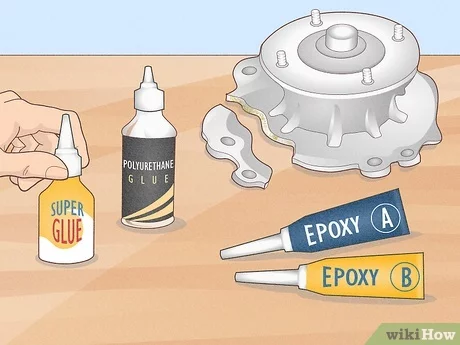
There are several types of adhesives suitable for bonding metal to metal or with other materials. The most commonly used adhesives include:
- Epoxy-based adhesives: These are the most popular choice for bonding metal due to their high strength, durability, and resistance to heat and chemicals.
- Polyurethane adhesives: These adhesives offer excellent flexibility and can bond well with a variety of metals.
- Acrylic adhesives: These adhesives are known for their low viscosity and fast curing time, making them ideal for bonding metal in tight spaces.
Choosing the Right Adhesive
When selecting an adhesive for your project, consider the following factors:
- Type of metal: Different metals require different types of adhesives. For example, epoxy-based adhesives are suitable for bonding steel, aluminum, and copper.
- Environmental conditions: If your project will be exposed to extreme temperatures or chemicals, choose an adhesive that is resistant to those conditions.
- Weight and thickness: Thicker metals require stronger adhesives to ensure a secure bond.
Applications of Adhesives
Adhesives are used in a variety of applications, including:
- Repairing broken parts: Adhesives can be used to repair cracks or breaks in metal components.
- Joining metal pieces: Adhesives can be used to join two or more metal pieces together.
- Protective coatings: Adhesives can be used as a protective coating for metals, providing a barrier against corrosion and wear.
Step-by-Step Guide to Using Epoxy-Based Adhesives
Epoxy-based adhesives are one of the most popular choices for bonding metal due to their high strength and durability. Here’s a step-by-step guide on how to use epoxy-based adhesives:
- Clean the surfaces: Before applying the adhesive, make sure both surfaces are clean and free of debris.
- Mix the adhesive: Follow the manufacturer’s instructions to mix the adhesive.
- Apply the adhesive: Apply a small amount of adhesive to one surface and spread it evenly.
- Bond the surfaces: Place the two metal pieces together and hold them in place for a few seconds.
- Allow to cure: Let the adhesive cure according to the manufacturer’s instructions.
Common Mistakes to Avoid
When working with adhesives, there are several common mistakes to avoid:
- Insufficient surface preparation: Failing to clean and prepare the surfaces properly can result in a weak bond.
- Inadequate mixing: Not mixing the adhesive according to the manufacturer’s instructions can result in a weak bond.
- Incorrect application: Applying too much or too little adhesive can result in a weak bond.
Conclusion
Adhesives play a critical role in joining metal pieces together, and choosing the right adhesive is essential for ensuring a strong and durable bond. By following these guidelines and avoiding common mistakes, you can achieve successful results with epoxy-based adhesives.
Frequently Asked Questions (FAQs)
Q: What is the best type of adhesive for bonding metal?
A: The best type of adhesive for bonding metal depends on the specific application and requirements. Epoxy-based adhesives are a popular choice due to their high strength and durability.
Q: How do I prepare surfaces before applying an adhesive?
A: Before applying an adhesive, make sure both surfaces are clean and free of debris. Use a wire brush or sandpaper to remove any oxidation or rust.
Q: What is the difference between epoxy-based adhesives and polyurethane adhesives?
A: Epoxy-based adhesives offer higher strength and durability than polyurethane adhesives, but are more expensive and require mixing before application. Polyurethane adhesives offer flexibility and low viscosity, making them ideal for bonding metal in tight spaces.
Q: Can I use an adhesive to repair cracks or breaks in metal components?
A: Yes, adhesives can be used to repair cracks or breaks in metal components. However, it’s essential to clean the surfaces properly and apply a suitable adhesive.
Q: How do I know if an adhesive has cured?
A: Check the manufacturer’s instructions for specific curing times. Typically, epoxy-based adhesives take several hours or days to cure, while polyurethane adhesives may take several minutes or hours.
Q: Can I use an adhesive as a protective coating for metals?
A: Yes, adhesives can be used as a protective coating for metals. Apply a suitable adhesive and follow the manufacturer’s instructions for curing times.
Q: What are some common mistakes to avoid when working with adhesives?
A: Common mistakes to avoid include insufficient surface preparation, inadequate mixing, incorrect application, and not following manufacturer’s instructions.


