
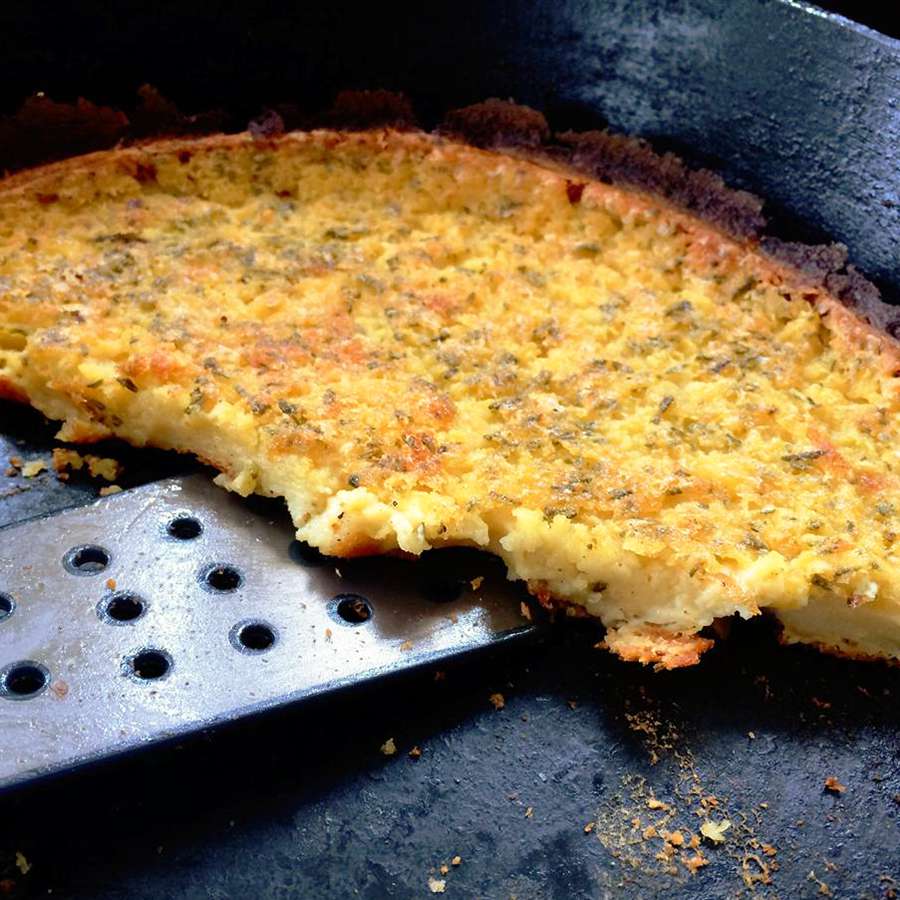
The Art of Making Farinata: A Journey Through Time and Cuisine
Introduction
In the beautiful region of Liguria, Italy, there’s a traditional dish that has been a staple for centuries: farinata. This thin, crispy flatbread is made with just a few simple ingredients: chickpea flour, water, salt, and olive oil. The origins of farinata date back to the ancient Greek and Roman periods, when soldiers would prepare this nutritious meal that could sustain them on their journeys.
As a vegan, gluten-free, or lactose intolerant individual, farinata is an excellent option for you. Made from chickpea flour, it’s naturally free from common allergens like dairy and gluten. In this article, we’ll delve into the art of making farinata, exploring its history, ingredients, preparation methods, and nutritional benefits.
Ingredients
To make farinata, you’ll need:
- 500 grams of chickpea flour
- 1 liter of water
- ½ teaspoon of salt
- 40 ml of extra virgin olive oil
- 30 ml of vegetable oil (optional)
- A pinch of black pepper
Preparing the Dough
To begin, mix the salt with ½ cup of water to create a brine solution. In a separate bowl, sift the chickpea flour and gradually add the brine solution, mixing well until you achieve a smooth, consistent dough.
Next, add the remaining 900 ml of water and knead the dough for about 10 minutes, until it becomes pliable and elastic. Cover the dough with plastic wrap or a damp cloth and let it rest for 4 hours. As the dough rests, it will start to produce a foam; gently remove this excess foam with a spoon.
After the resting period, mix the dough again for a few minutes and add the extra virgin olive oil and vegetable oil (if using). Knead the mixture until it’s well combined and smooth.
Shaping and Baking
Preheat your oven to 200°C (400°F) and grease a large, thin baking sheet with olive oil. Pour the dough onto the prepared baking sheet and smooth out the surface.
Bake the farinata for about 25 minutes, or until it’s golden brown and crispy. Remove the farinata from the oven and sprinkle some black pepper over the top.
Tips and Variations
To ensure a smooth, even texture, be gentle when mixing the dough. Avoid overmixing, which can lead to lumpy grout-like formations.
As for the oil used in the recipe, using only extra virgin olive oil would result in a farinata with a very strong, bitter flavor. To balance out this intensity, it’s best to “dilute” the oil with a milder alternative like vegetable oil.
Nutritional Information
A medium-sized serving of farinata (approximately 300g or 290kcal) contains:
- Protein: 20g
- Fat: 15g
- Carbohydrates: 30g
- Fiber: 10g
Conclusion
Farinata is a delicious, nutritious, and versatile flatbread that’s perfect for any meal. With its rich history, simple ingredients, and gentle preparation method, it’s an excellent option for those with dietary restrictions. Whether enjoyed on its own or paired with your favorite toppings, farinata is sure to become a staple in your kitchen.
Frequently Asked Questions
- Q: What is the origin of farinata?
A: Farinata originated from ancient Greece and Rome, where soldiers would prepare this nutritious meal for their journeys. - Q: Is farinata gluten-free?
A: Yes, farinata is naturally gluten-free due to its chickpea flour base. - Q: Can I make farinata without olive oil?
A: While it’s not necessary, using a milder oil like vegetable oil can help balance out the flavor of the farinata. - Q: How long does it take to prepare and rest the dough?
A: The resting period for the dough is 4 hours, during which time you’ll need to mix it gently every hour or so. - Q: Can I make farinata in a pan instead of an oven?
A: Yes, but the cooking time will be shorter, around 10-15 minutes, and the result may vary slightly. - Q: Is farinata suitable for vegans?
A: Yes, farinata is a vegan-friendly food option due to its chickpea flour base. - Q: How do I store leftover farinata?
A: Store the cooled farinata in an airtight container at room temperature for up to 2 days or freeze it for longer-term storage. - Q: Can I add flavorings to the dough?
A: Yes, you can experiment with adding herbs, spices, or other seasonings to create unique flavor variations.
History of Farinata
Farinata has a rich history that dates back thousands of years. The ancient Greeks and Romans used chickpea flour as a staple ingredient in their diet, often combining it with olive oil, salt, and water to create a simple yet nutritious meal.
In the Middle Ages, farinata became a staple dish in Italy, particularly in the Liguria region where it remains a beloved tradition today. The recipe has undergone slight variations over time, but its core ingredients have remained unchanged.
Nutritional Benefits
Farinata is an excellent source of protein, fiber, and healthy fats. Chickpea flour is rich in protein, vitamins, and minerals, making it an ideal ingredient for those with dietary restrictions. Additionally, farinata is gluten-free, lactose intolerant-friendly, and vegan-friendly, making it a great option for individuals with specific dietary needs.
Preparation Methods
Farinata can be prepared using various methods, including baking, grilling, or pan-frying. The traditional method involves baking the dough in an oven, which results in a crispy and golden-brown flatbread. However, experimenting with different cooking methods can yield unique flavors and textures.
Health Benefits
Farinata is not only delicious but also nutritious. Chickpea flour is rich in antioxidants, fiber, and protein, making it an excellent addition to a balanced diet. The high water content of farinata helps to reduce the risk of chronic diseases like heart disease and diabetes.
Conclusion
In conclusion, farinata is a versatile and nutritious flatbread that has been a staple in Liguria for centuries. With its simple ingredients, gentle preparation method, and rich history, it’s an excellent option for anyone looking to explore traditional Italian cuisine. Whether enjoyed on its own or paired with your favorite toppings, farinata is sure to become a staple in your kitchen.
About the Author
Anna De Simone is a food blogger and enthusiast with a passion for exploring traditional Italian cuisine. She has spent years researching and experimenting with various recipes, from classic pasta dishes to modern vegan creations.


